
Last updated November 18, 2026
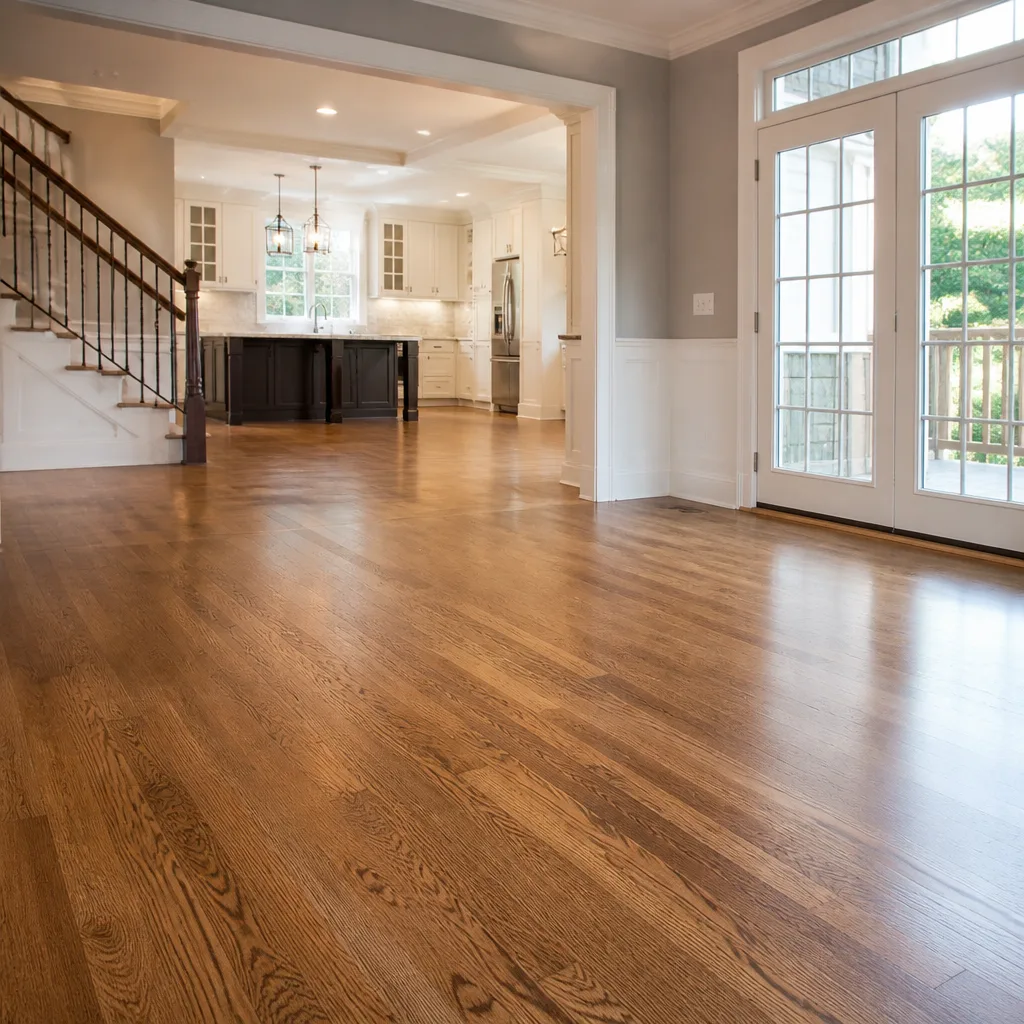 Hardwood
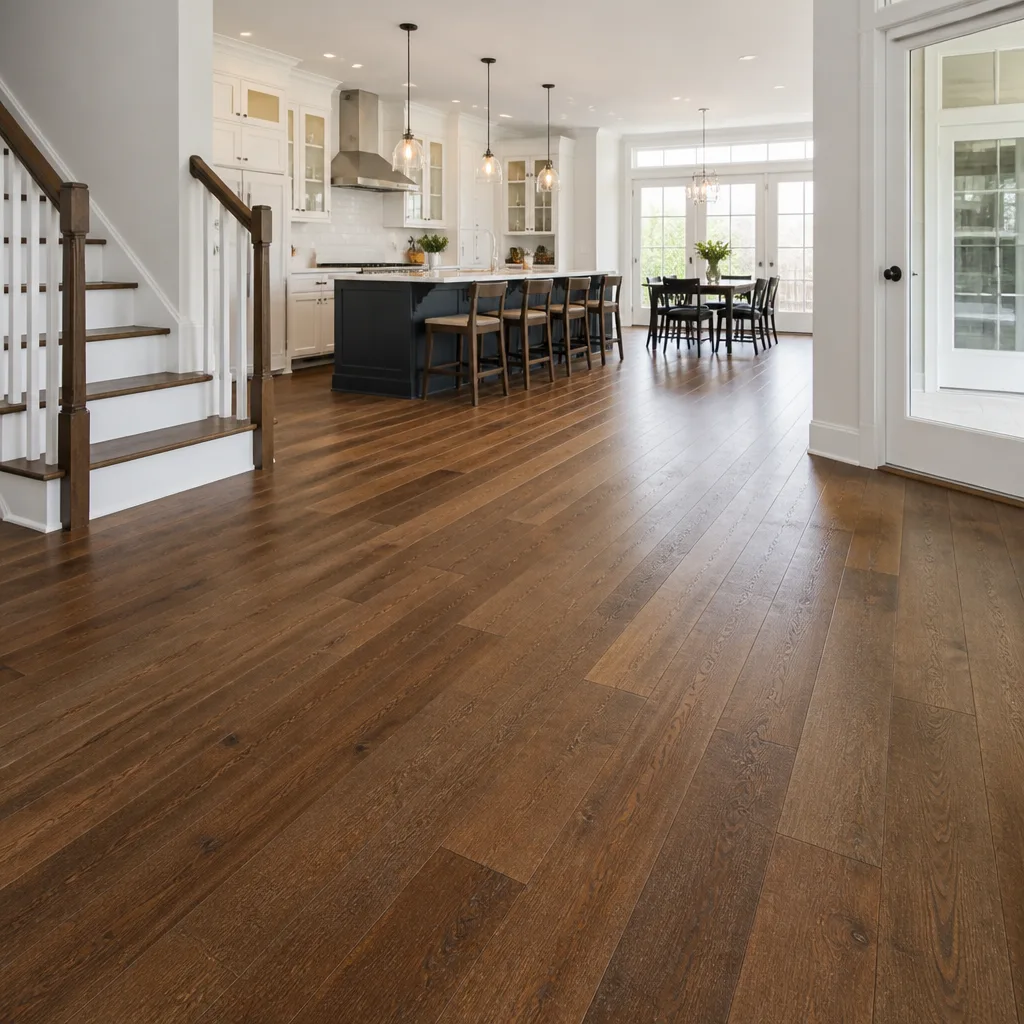 Engineered hardwood
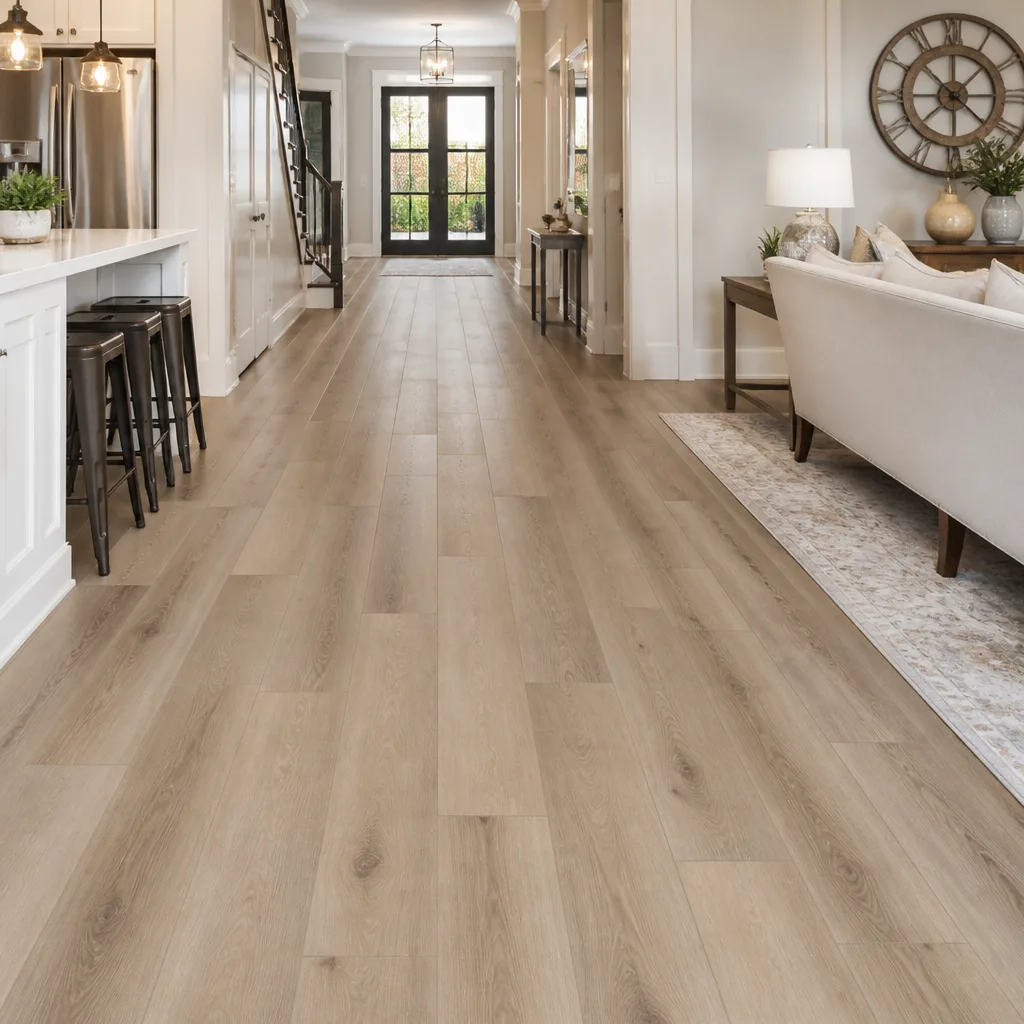 Luxury vinyl plank
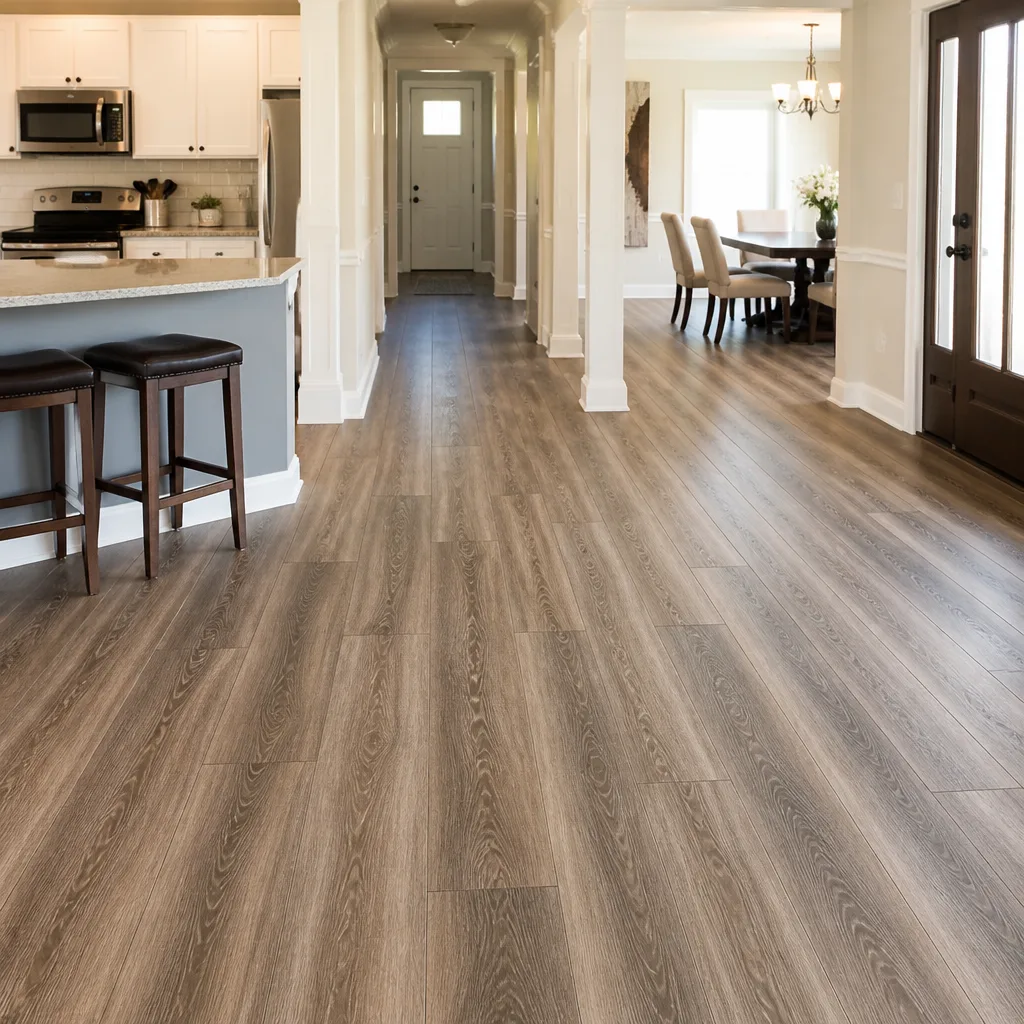 Laminate
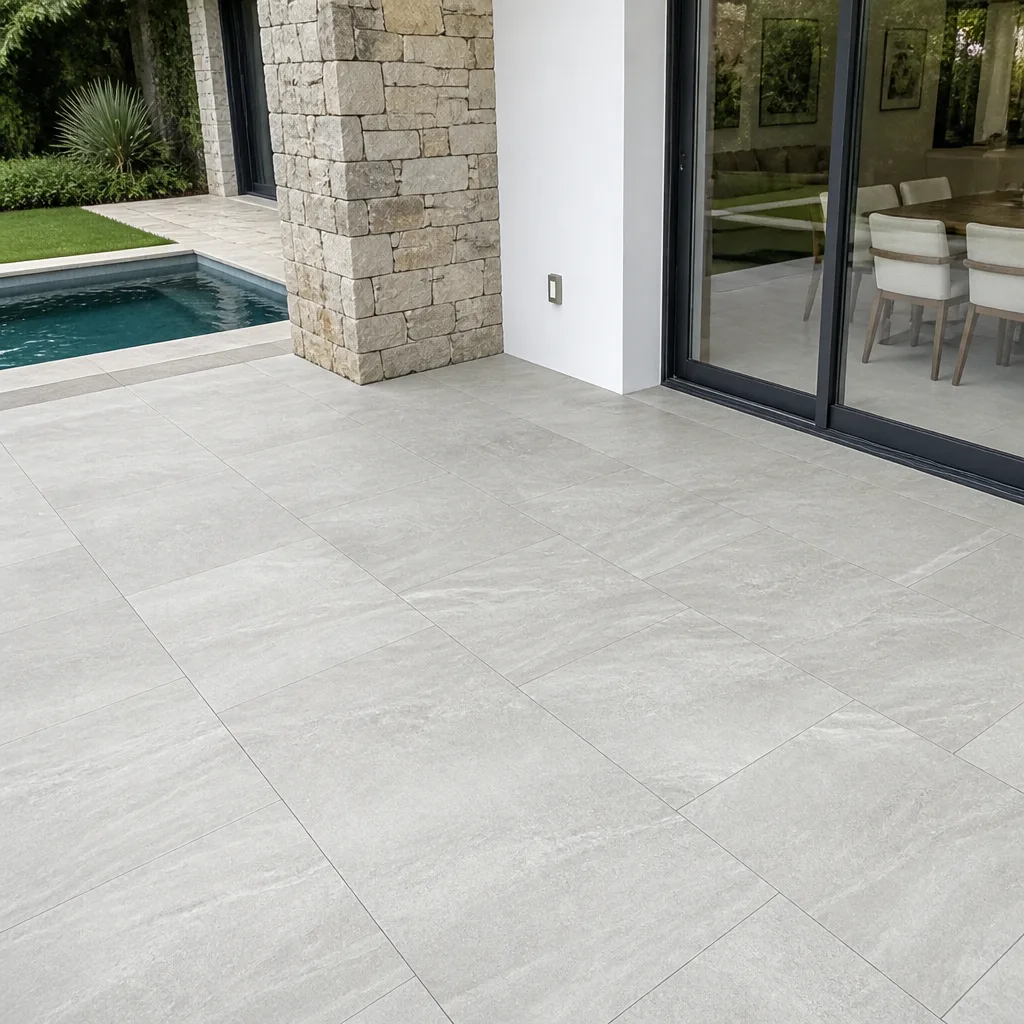 Porcelain tile
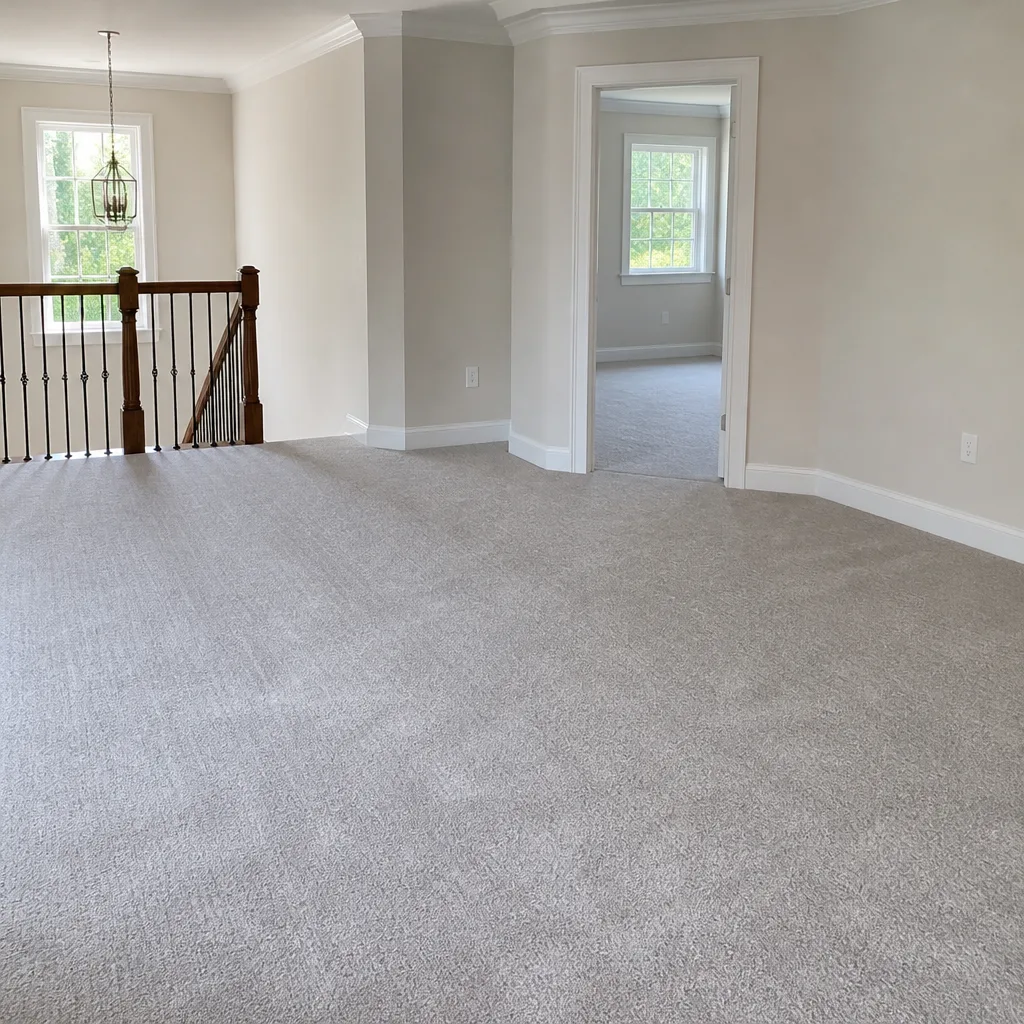 Carpet
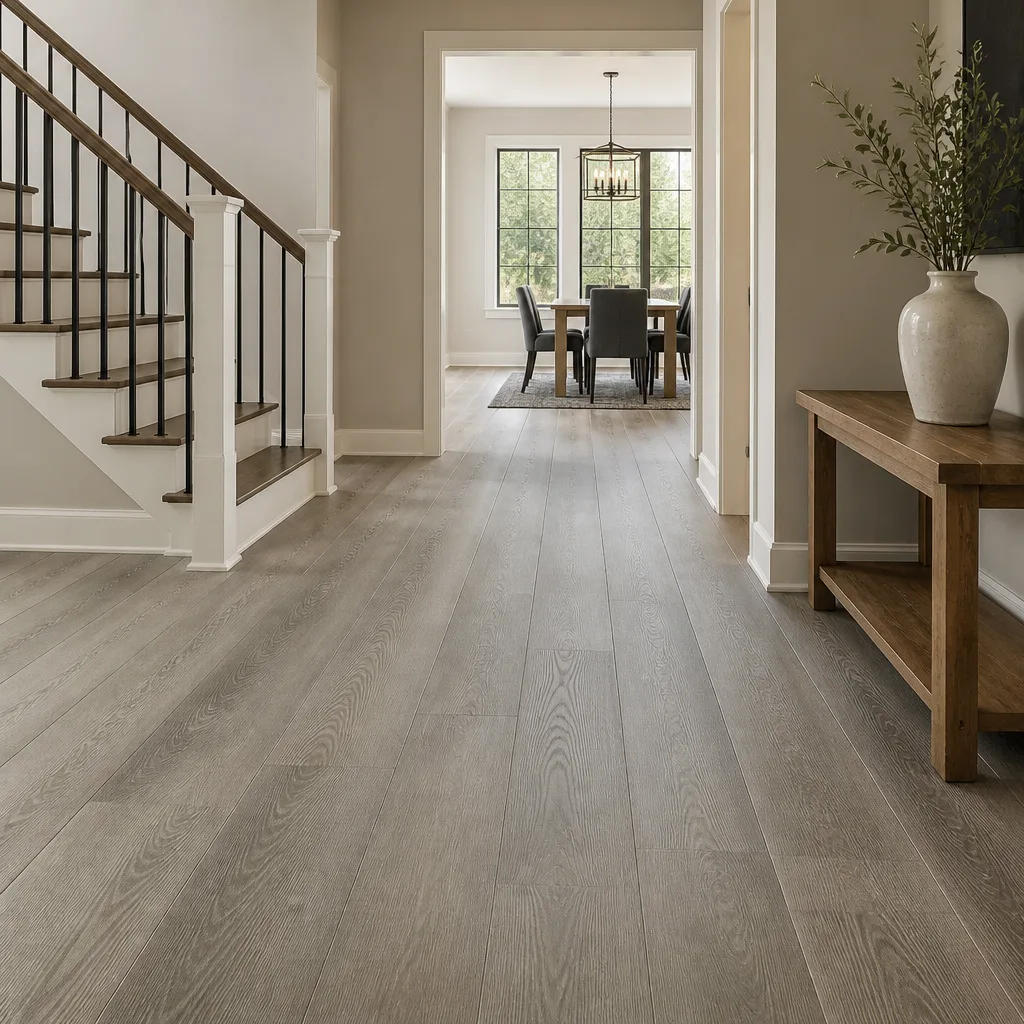 Shaw
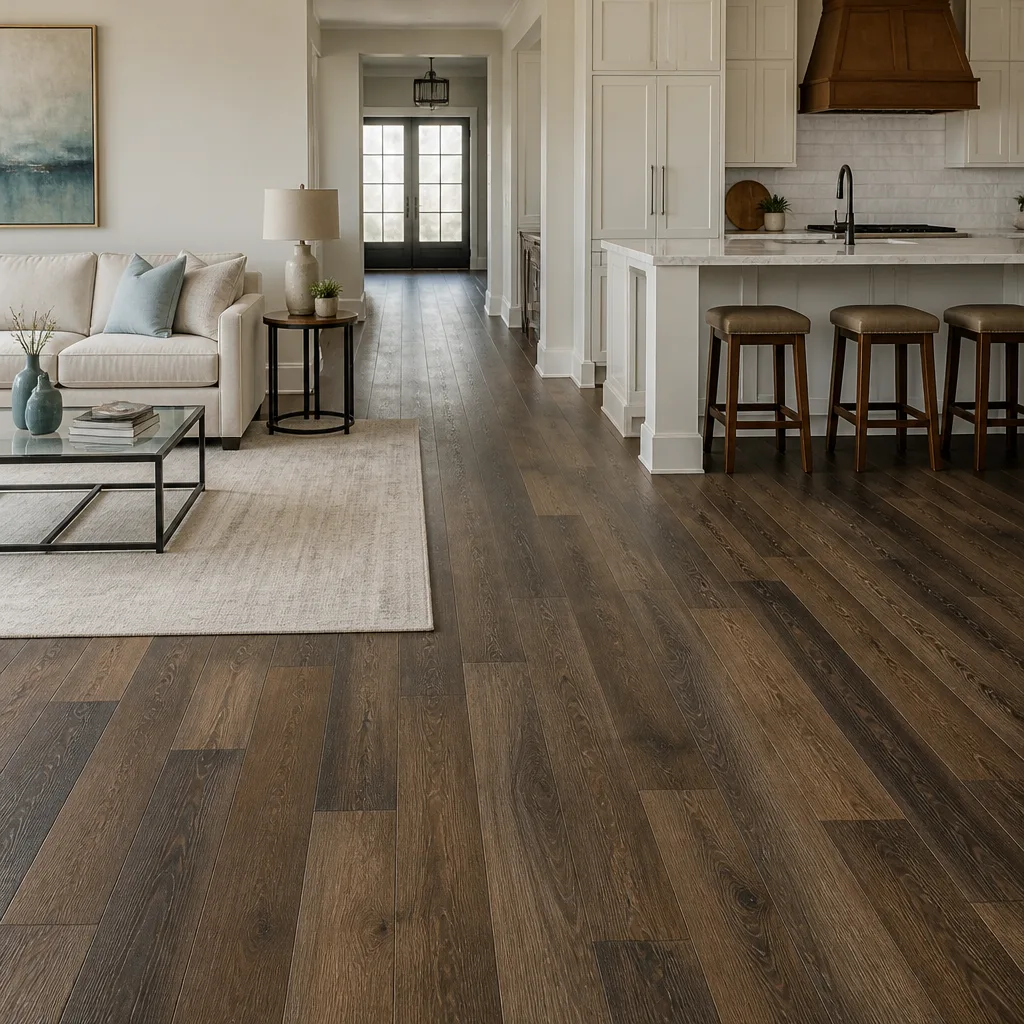 Mohawk
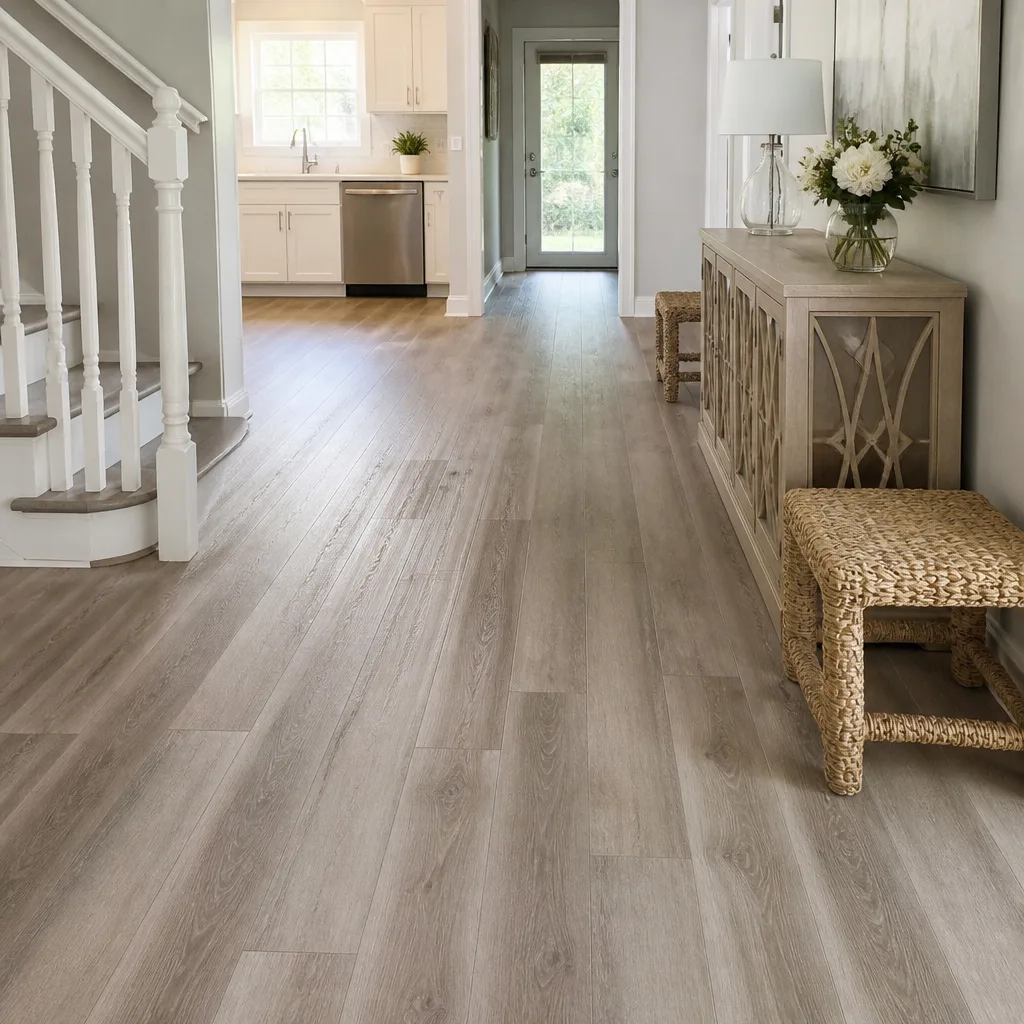 COREtec
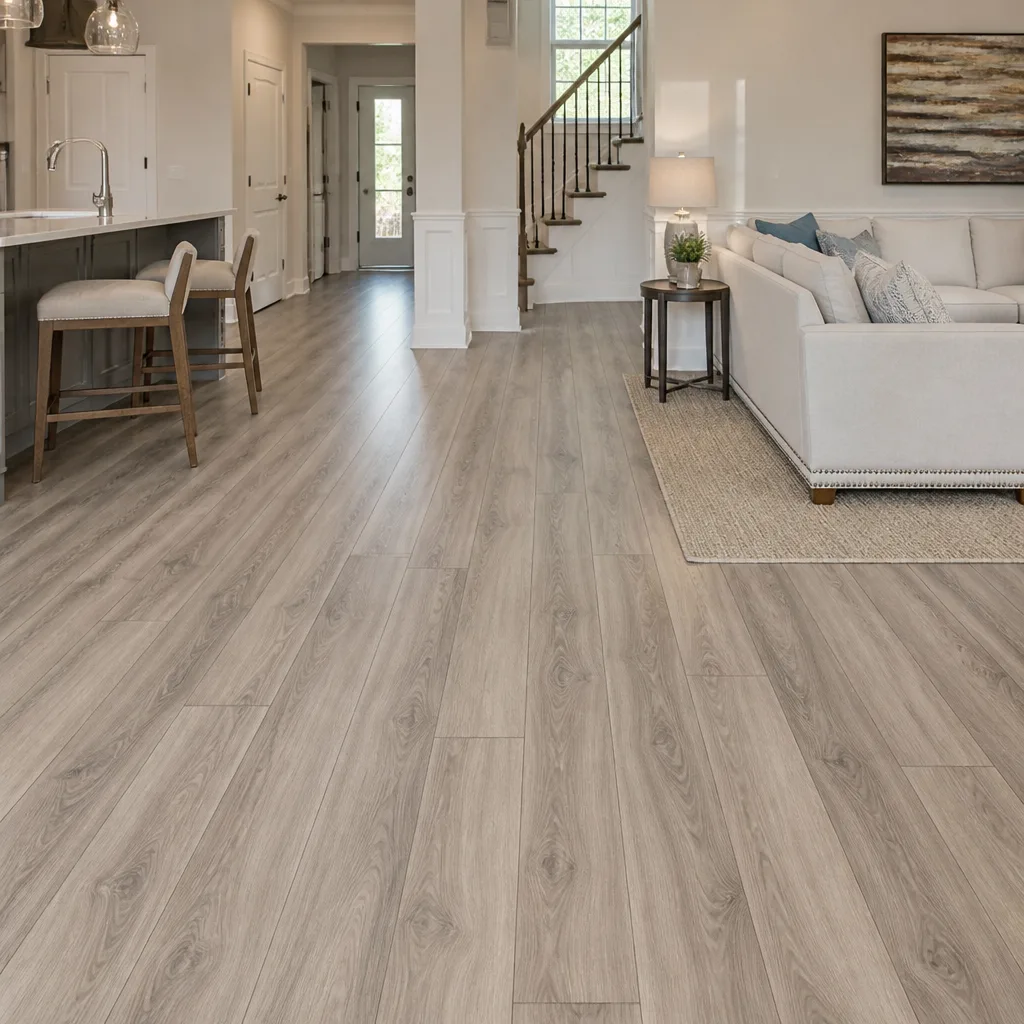 Pergo
Free in-home measure and written estimate: Shaw, Mohawk, COREtec and Pergo lines compared on your own rooms, with carpet, tile, vinyl plank, laminate and hardwood laid out side by side
Get your free estimateChoosing the Right Flooring for Every Room in Winchester Homes
Put natural stone tile in a Winchester kitchen and it can look superb right up until the grout starts cracking. That cracking usually isn’t a bad install. It’s the slab underneath doing what concrete does in a high-desert climate with hard freeze-thaw swings, and stone doesn’t forgive movement the way other floors do. Here’s the point most flooring advice skips: room selection is less about what you like and more about what the room will do to the floor. Traffic, moisture, subfloor type, and sound move first. Style comes last, as the final filter. In this guide we walk every room in a Winchester home as an engineering problem first and a design decision second, so the floor you pick still makes sense in ten years.
Styles & brands we work with
- Hardwood
- Engineered hardwood
- Luxury vinyl plank
- Laminate
- Porcelain tile
- Carpet
- Shaw
- Mohawk
- COREtec
- Pergo
Quick Answer
The best flooring by room in a Winchester home comes down to matching material to the conditions that room creates, not to a single favorite look. For kitchens, laundry rooms, and bathrooms, water-resistant luxury vinyl plank from COREtec or LifeProof handles slab moisture and spills better than stone tile in most local homes. Bedrooms usually favor carpet for warmth and quiet, living and dining rooms need a floor rated for heavy residential traffic, and stairs should be planned as part of a whole-house system rather than one room at a time. Style is the tiebreaker once those boxes are ticked.
Table of Contents
- Why Every Room in a Winchester Home Asks Something Different of Its Floor
- Kitchen and Laundry Rooms: Moisture Resistance Beats Scratch Resistance
- Bedrooms: Weighing Carpet’s Comfort Against Hardwood’s Resale Impact
- Living and Dining Rooms: What “Heavy Residential” Traffic Actually Means
- Bathrooms: The Waterproof vs. Water-Resistant Distinction That Decides Everything
- Stairs and Multi-Level Homes: Plan Flooring as a System
- Refinish Before You Replace: The Hardwood Question Worth Asking First
- Where Brand Choice Fits In
- Common Mistakes to Avoid
- When to Call a Professional
- Frequently Asked Questions
Why Every Room in a Winchester Home Asks Something Different of Its Floor
A floor doesn’t fail because it was the wrong color. It fails because the material met a condition it wasn’t built for. In Winchester, that condition is often the ground itself. Much of the housing here sits on slab-on-grade construction, and slab concrete in a high-desert climate moves with the seasons. It expands in summer heat, contracts through hard winter nights, and holds a moisture profile that changes with the weather. Any floor glued or floated on top of that slab has to tolerate small, slow movement without telegraphing it upward.
That’s why the same tile that works beautifully over a framed wood subfloor upstairs can behave differently at ground level over slab. It’s also why the best flooring for a given room depends on which level of the house you’re standing on.
Here’s the framework we use, and the one we recommend you hold onto:
- Traffic load. How many feet cross it daily, and how hard do they land. A hallway between the kitchen and the garage is a heavier job than a guest room.
- Moisture exposure. Standing water from above (sinks, tubs, spills) and vapor from below (the slab). Both count.
- Subfloor type. Slab versus framed wood changes what can be installed and how.
- Acoustics. Sound transfer matters on upper floors and in bedrooms above living spaces.
- Style. Everything above narrows the field. This picks the winner from the shortlist.
When you run each room through those five questions, the “best flooring by room” list basically writes itself. Rooms that share conditions get the same answer. Rooms that don’t, shouldn’t. If you want to see how this plays out across the whole service, our flooring installation Winchester page covers the three disciplines we install and refinish.
Kitchen and Laundry Rooms: Moisture Resistance Beats Scratch Resistance
The instinct in most kitchens is to worry about scratches. Dropped knives, dragged chairs, the dog’s nails. Scratch resistance is real, but in a Winchester kitchen it’s the second problem, not the first. The first is moisture, from both directions, and how the floor handles it over years rather than seconds.
Why moisture, not scratches, should lead the decision
Kitchens and laundry rooms concentrate the two kinds of water exposure that matter. Above the floor you get spills, splashes around the sink, and the slow drip that finds a seam. Below the floor, over slab, you get seasonal vapor movement. A floor that’s only “scratch resistant” on paper but sensitive to water at the seams is the wrong floor for the room, no matter how tough its surface is.
This is where luxury vinyl plank earns its place. COREtec and LifeProof are water-resistant luxury vinyl planks, which means the plank itself resists water, and they handle the everyday spills and dampness a busy kitchen generates. That’s a meaningful edge over laminate or standard hardwood in these rooms. We want to be precise on one word, though: water-resistant is not waterproof. No floor is waterproof against a leak from below or a dishwasher line that keeps running. Standing water and moisture from the slab still have to be dealt with before any floor goes down.
Where LVP outperforms tile in Winchester slab homes
Tile is a genuinely good kitchen floor. It’s hard, clean, and handles spills. But in Winchester slab homes it has a specific weak point: grout. When the slab does its seasonal movement, grout lines are where that stress shows up first. It’s why grout cracks turn up in kitchens that otherwise look fine. LVP laid as a floating or glue-down floor can bridge minor slab movement more gracefully because it flexes with the floor instead of resisting it.
- Best fit for slab kitchens: COREtec or LifeProof LVP for the everyday moisture and spill load.
- Tile still works well: over sound subfloors, in homes where you want the hard, cool feel, installed with the right underlayment and movement accommodation.
- Not ideal here: natural stone and standard laminate in a slab kitchen with a history of seasonal movement.
Laundry rooms follow the kitchen logic but double down. Any room with an appliance that holds water should get the same moisture-first treatment. The question isn’t which floor looks best in the laundry room. It’s which floor you’d want underfoot if the washer ever let go.
Bedrooms: Weighing Carpet’s Comfort Against Hardwood’s Resale Impact
Bedrooms are where the engineering logic flips. There’s no water, traffic is light, and the dominant conditions are thermal and acoustic. That makes the bedroom the one room where comfort and market value carry as much weight as durability, and where carpet installation is a genuinely strong answer rather than a compromise.
Carpet’s case for a Winchester bedroom
Northern Nevada nights get cold, and a bedroom floor is bare when you step out of bed on the coldest mornings. Carpet insulates underfoot in a way hard surfaces don’t, and its pile absorbs sound, which matters in a bedroom above a living space or next to a hallway. If you have kids, the soft-landing argument is real. Carpet from Shaw or Mohawk gives you the flexibility to match pile height and texture to how the room actually gets used, and the right brand lineup lets you dial softness versus durability instead of picking whatever’s on the roll.
When hardwood wins the bedroom
Hardwood’s resale question is worth taking seriously in Winchester’s middle-to-upper market. Buyers here tend to notice hardwood the way they notice countertops: it’s a material signal. If you’re remodeling before a move, hardwood or a hardwood-look luxury vinyl in a bedroom can read as more premium than new carpet, and it also sidesteps the “who’s replacing the carpet next” question in a buyer’s mind. Our read: if the home already has hardwood in the hall and you can extend it into the bedroom without a transition, that continuity usually wins. If the home is mostly carpet and the bedroom is a rest-and-recover space, a quality soft carpet is the honest pick.
A quick way to decide:
- Planning to stay put and value comfort? Carpet, matched to the pile height you actually like underfoot.
- Planning to sell within a few years? Hardwood or hard-surface in the primary suite for a cleaner resale read.
- Kids or heavy bedroom use? Carpet’s thermal and acoustic comfort, or a hard surface with an area rug if you want the cleanup.
The master bedroom is often the last room people renovate and the first one they regret guessing at. Slow down here. You’ll feel this floor every morning.
Living and Dining Rooms: What “Heavy Residential” Traffic Actually Means
“Heavy residential traffic” is printed on a lot of product labels and understood by very few homeowners. It isn’t a marketing word. It’s a classification, and the spec that matters most for a living room is the wear layer: the clear, tough top layer of a luxury vinyl or laminate plank that takes the abuse so the pattern underneath doesn’t. The wear layer is the number that decides whether your living room floor still looks good in ten years.
Reading the wear layer
A living room in a Winchester family home concentrates foot traffic, furniture legs, and pet claws. Wear-layer thickness is usually expressed in mils, but the useful thing to understand is the spectrum: a thinner wear layer suits a quiet guest room; a thicker one belongs under the doorways, the walkway to the kitchen, and the run in front of the couch. When you’re comparing LVP brands for these rooms, ask for the wear layer on the exact plank you’re considering, not the category. Pergo, Armstrong, and Mannington each have planks built for different traffic levels, so the brand alone doesn’t answer it. The plank does.
Traffic, sound, and dining all point the same direction
Living and dining rooms are also where sound carries. Hard floors amplify footsteps and push chair legs into a scrape. Luxury vinyl plank mitigates this with a padded backing on many planks, and a proper underlayment softens it further. Dining rooms add chair-dragging and the occasional dropped glass. That’s where LVP’s scratch resistance and water resistance both do useful work.
- Heaviest-use zone: the path from the front door through the living room to the kitchen. Give it the thickest wear layer your budget allows.
- Dining room: LVP or tile, both to handle chair movement and to clean up after dinner.
- Under-furniture areas: any floor will show wear where the couch sits; the wear layer decides how fast.
In Winchester, the living room is also the room most likely to sit over slab with big windows and big seasonal light shifts. That combination means both moisture and UV exposure climb. LVP handles the moisture; plan for rugs or window treatments where sun hits the floor directly, since no floor is immune to long-term sun fading.
Bathrooms: The Waterproof vs. Water-Resistant Distinction That Decides Everything
Here’s the line that matters most in a wet zone, and almost no one draws it clearly. Water-resistant and waterproof are not the same word, and the gap between them is where bathroom flooring decisions live or die. Water-resistant means a floor shrugs off surface water from above for a while. Waterproof means water can sit on or around it without soaking through or into seams. In a bathroom, with tub, shower, and toilet leaks, that distinction is the only specification that should matter.
The full wet-zone spectrum
Picture moisture exposure as a spectrum from “occasional splash” to “standing water under the floor.” Bathrooms sit at the far end.
- Tile (ceramic, porcelain): genuinely suited to wet zones, and Daltile’s range covers the porcelain and ceramic options most bathrooms need. The floor itself handles water; the grout and the subfloor underneath still need proper prep.
- Water-resistant luxury vinyl plank: COREtec and LifeProof planks resist water well and handle humid bathroom air and daily splashes, but the product’s own instructions and your estimate set what’s appropriate. They are not a substitute for a floor designed for standing water.
- Laminate and hardwood: poor fits for a bathroom. Moisture from a missed spill finds the seams.
- Carpet: not a bathroom floor, full stop.
What to check before the floor goes down
- Find the water source first. Any active leak, weeping toilet seal, or recurring shower splash has to be fixed before new flooring. A new floor over an old leak just hides the problem.
- Confirm the subfloor. Bathrooms often sit over framed subfloor, not slab, and tile needs a sound, flat base with the right underlayment.
- Think about the threshold. A floor that’s thicker than the last one changes the door clearance and the transition into the hall. Plan it at the estimate.
If the room is actually a wet room, half bath, or has a floor drain, treat it as a specialty installation and have it looked at directly. We can walk the space with you and give a written opinion rather than a guess.
Stairs and Multi-Level Homes: Plan Flooring as a System
The biggest and least-discussed flooring mistake in Winchester homes is deciding room by room and discovering the transitions later. Stairs are where it shows. When a carpeted upper floor meets a hardwood lower floor, you need a transition detail at the top or bottom of the stairs, and that detail has to handle a change in thickness, a change in material, and the pounding of every foot on the flight. Get it wrong and the transition comes loose, squeaks, or trips.
Why material transitions cause long-term problems
Everywhere two floors meet, you get a seam that has to accommodate two different materials expanding and contracting at different rates. On a straight doorway that’s manageable. On a staircase it’s harder, because the stair is a structural connection as well as a visual one. A stair tread that matches the landing but doesn’t match the hallway below creates a mismatch someone will notice every single day. Plan the whole flight and both adjacent floors as one job.
How to plan flooring across levels as a system
- Map the layout first. Sketch every room and note the floor type you want in each. Mark every doorway and the stairs.
- Pick the transition points deliberately. Choose where materials change and make those changes land at natural boundaries: doorways, under closed doors, or on the stair landing.
- Decide the stairs early. Stair treads and risers can be carpet, hardwood, or a hybrid. That choice affects the floors above and below, so make it before you buy.
- Order everything together. Flooring bought in separate batches can vary slightly in shade. If matching upstairs to downstairs matters, plan around it.
- Book the install in one schedule if you can. Sequential rooms with a coordinated schedule are simpler than starting and stopping.
We approach the whole home as a system because that’s how homes are actually lived in. You don’t experience the living room, then the stairs, then the bedroom. You experience them connected. A plan that treats them as separate rooms usually creates the seams you’ll notice longest.
Refinish Before You Replace: The Hardwood Question Worth Asking First
If your Winchester home already has hardwood, the first question isn’t which new floor to buy. It’s whether the floor you have can be brought back. Refinishing does that: it takes off the worn top layer, refreshes the surface, and returns a hardwood floor to something close to its original look. It’s a real, dedicated service here rather than a reluctant add-on, and it’s the honest first question to ask when you walk into a room with tired but structurally sound wood.
What gets checked at the estimate
Not every hardwood floor can be refinished. It depends on the thickness of the wood and its condition. A floor that’s been sanded several times has less wood left to work with; a floor with deep wear patterns, board damage, or cupping may not be a refinishing candidate. Stain matching is also a question, not a guarantee. The exact color you’re imagining may not be reproducible on the species and grade in your home, and the only way to know is to have it looked at. We check the thickness and condition before recommending anything, because recommending a refinish on a floor that can’t take it is worse than recommending a replacement.
The payoff when it does work: you keep the character of original wood, avoid the disruption of a full tear-out, and often spend less than a new floor would cost. If you have hardwood under carpet, we can check whether it’s refinishable before you decide between restoring and covering it again. It’s the kind of question we like to start with, because it’s the one that respects both the home and the budget.
Where Brand Choice Fits In
Brands don’t pick your floor. They expand the options fitting a material you already chose for engineering reasons. That’s why we offer a range rather than a single house brand. Shaw and Mohawk carry the soft-surface line for bedrooms and living areas. COREtec and LifeProof carry the water-resistant luxury vinyl plank for kitchens, laundry rooms, and the busy paths through the home. Pergo, Mannington, and Armstrong cover the engineered and laminate spectrum. Daltile brings the ceramic, porcelain, and stone tile lineup. And Karndean adds a designer-grade luxury vinyl option most local companies don’t carry, which matters if the aesthetic feel needs to match the durability. Our tile flooring installation page goes deeper on the wet-zone choices.
[This response was truncated by the output length limit. Do not continue this response.]
See the difference
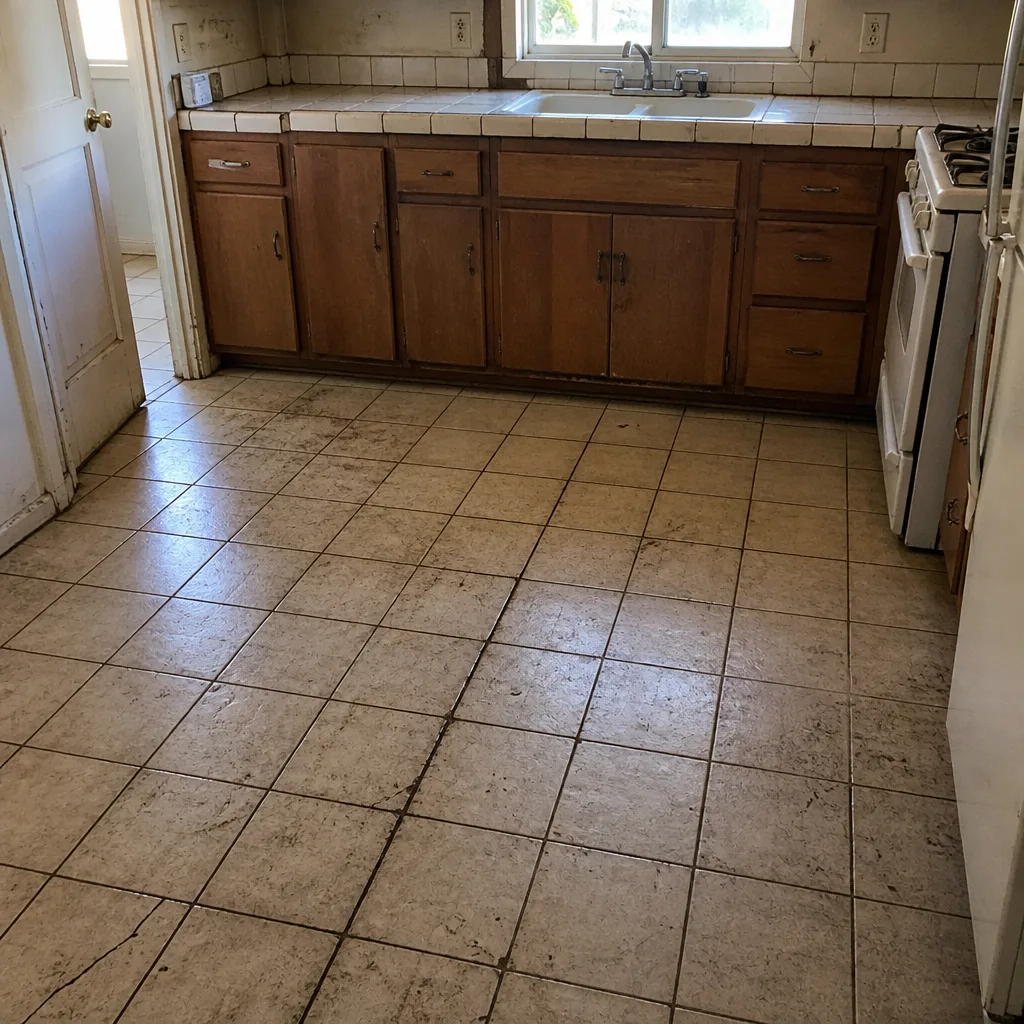 Before
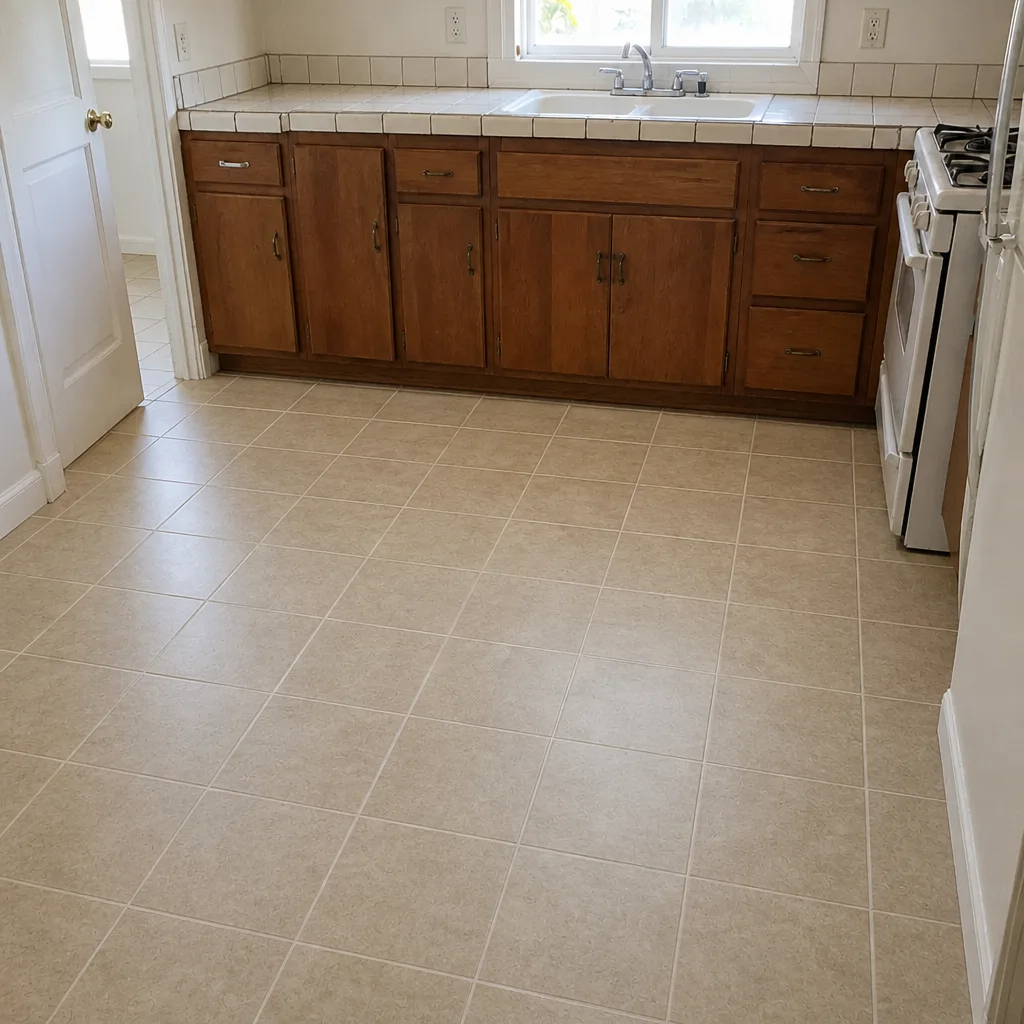 After
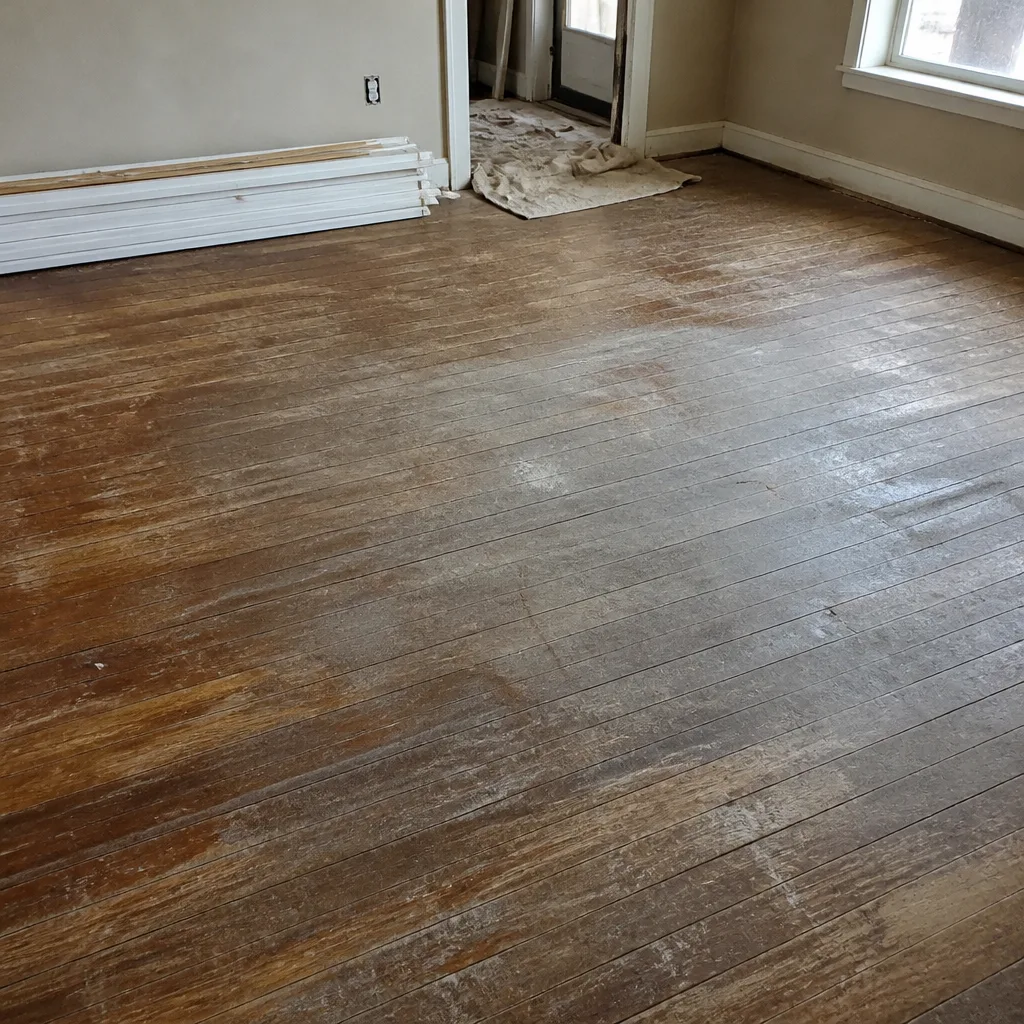 Before
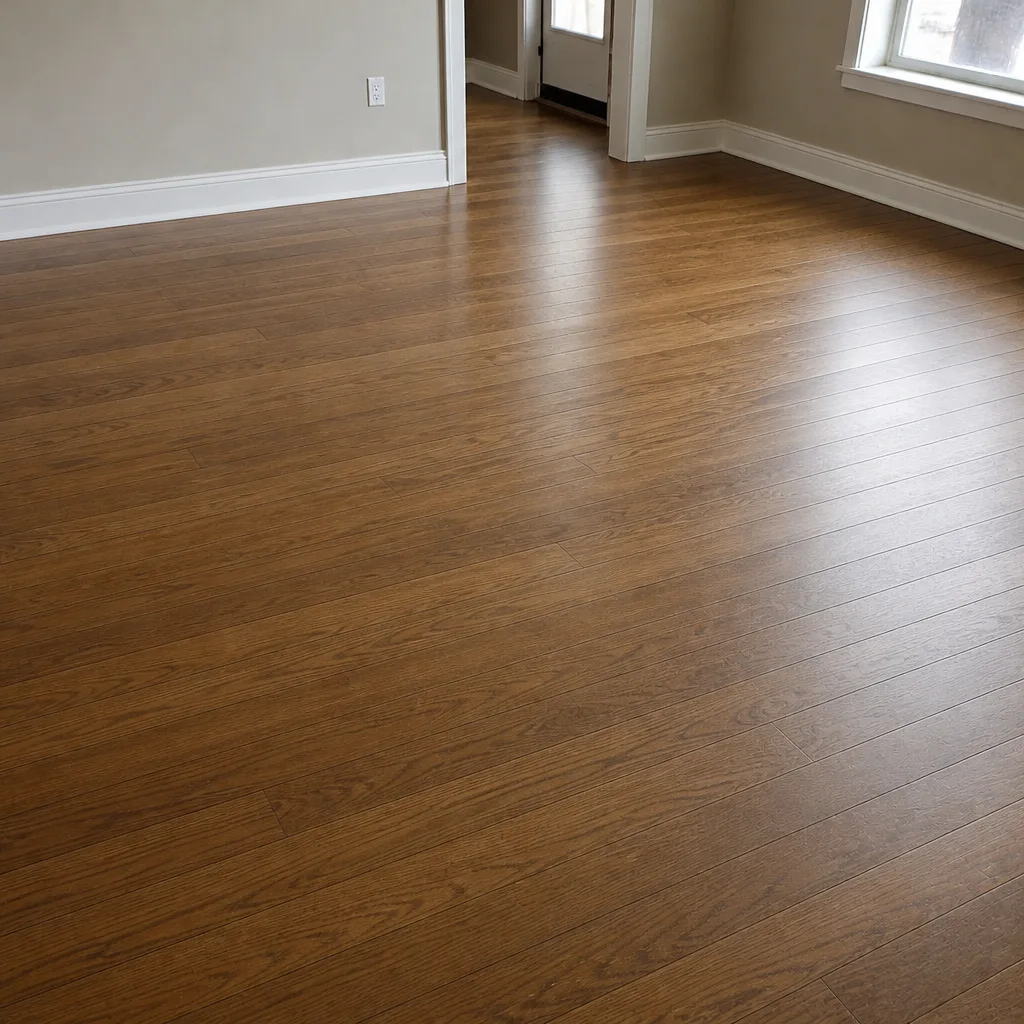 After
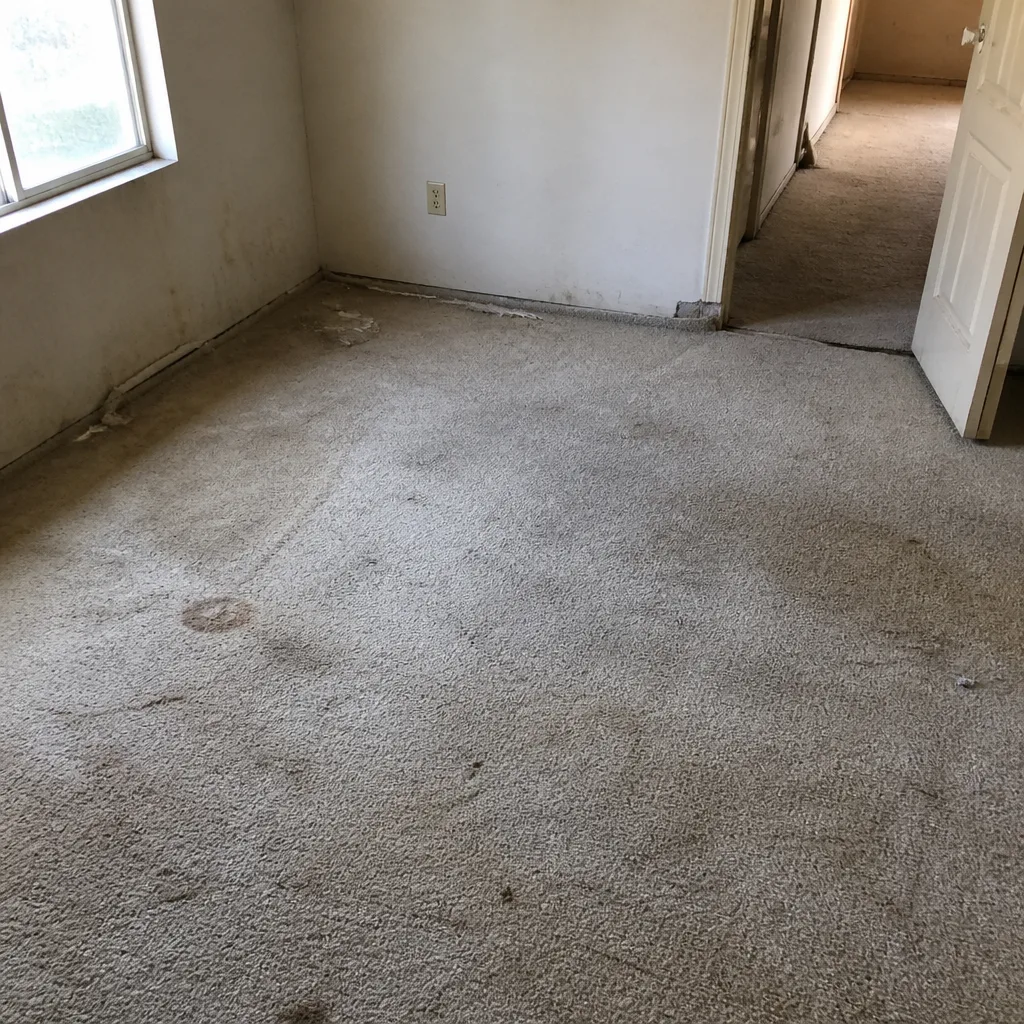 Before
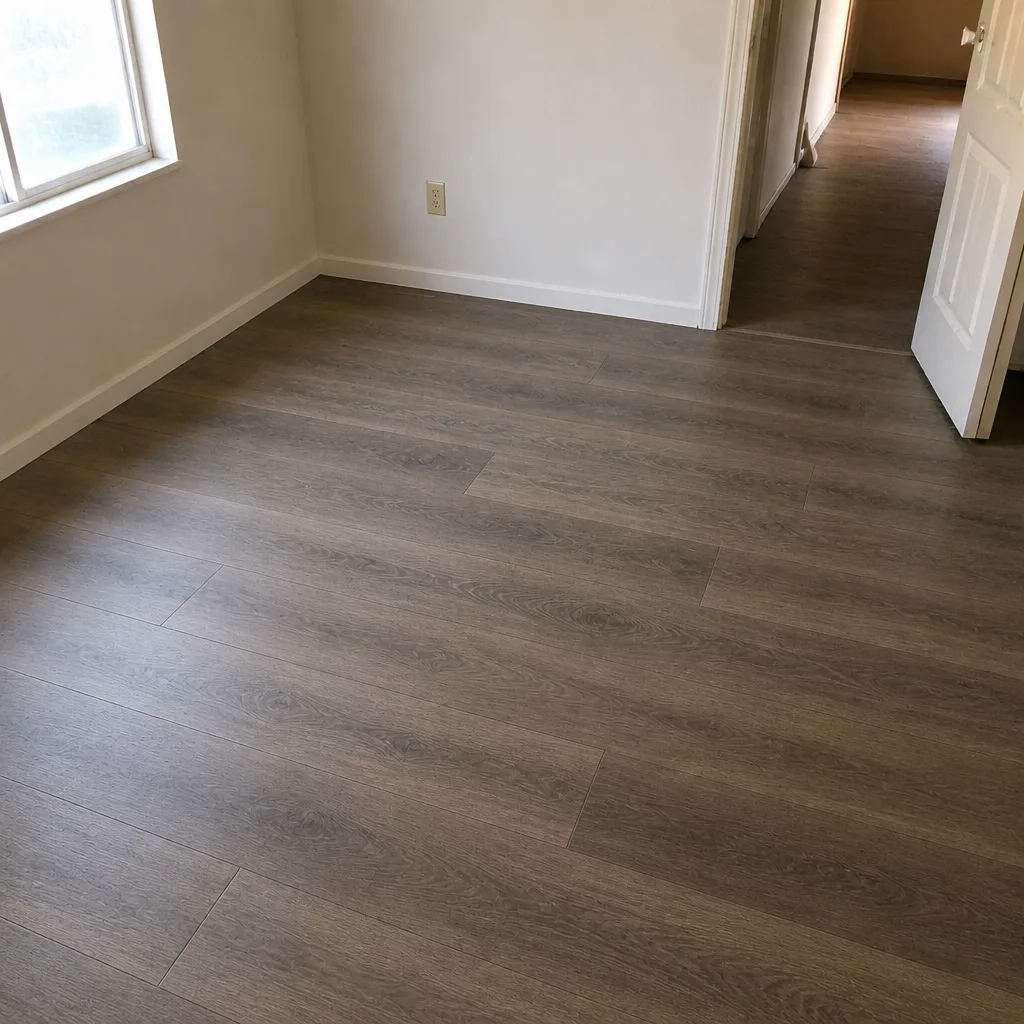 After