
Last updated November 18, 2026
 Hardwood
 Engineered hardwood
 Luxury vinyl plank
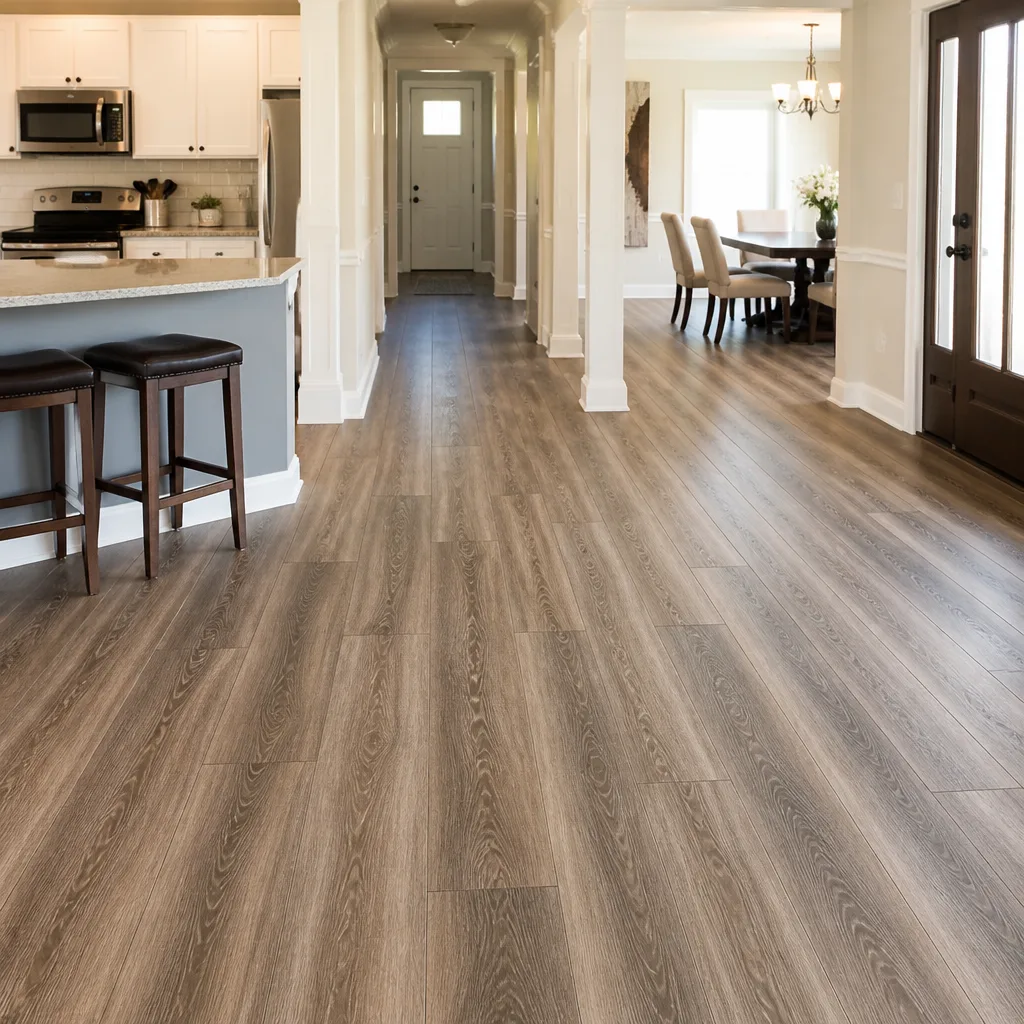 Laminate
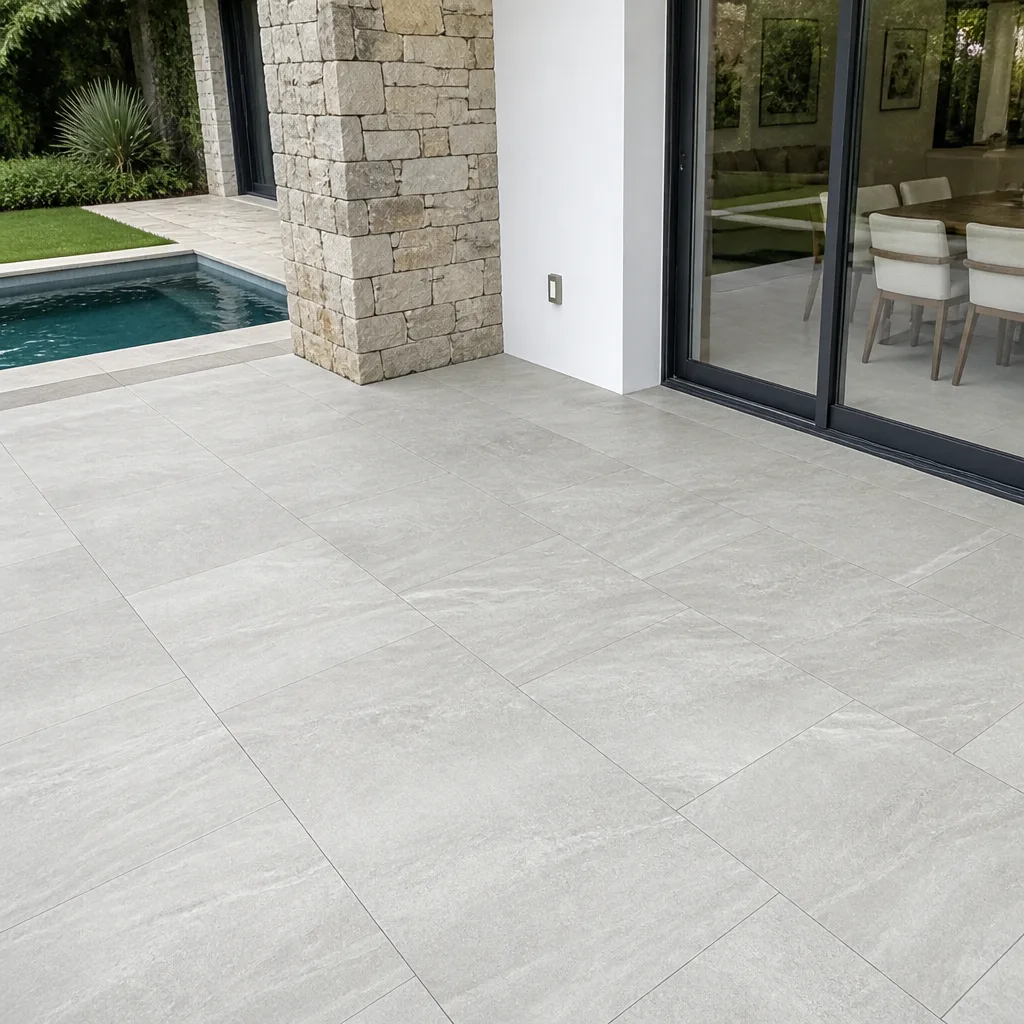 Porcelain tile
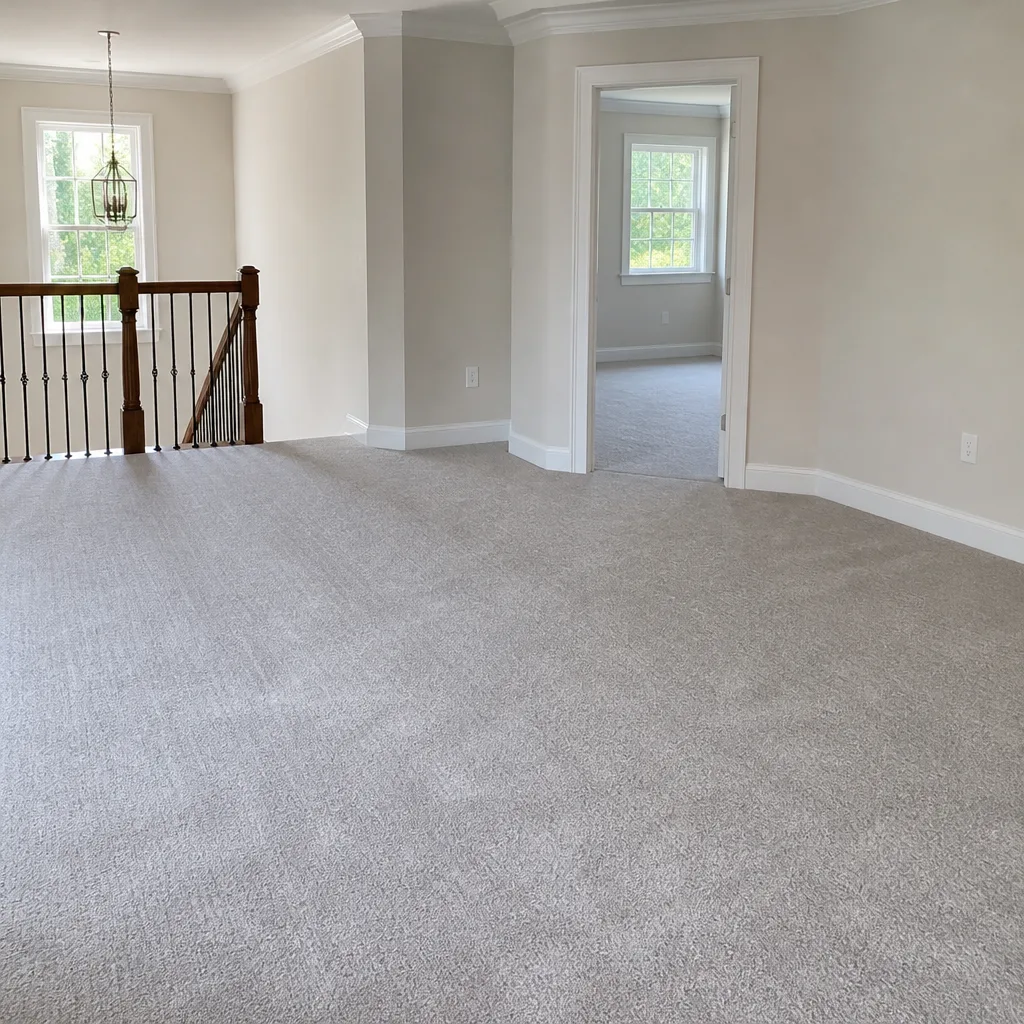 Carpet
 Shaw
 Mohawk
 COREtec
 Pergo
Free in-home measure and written estimate: Shaw, Mohawk, COREtec and Pergo lines compared on your own rooms, with carpet, tile, vinyl plank, laminate and hardwood laid out side by side
Get your free estimateHow to Care for New Flooring: Hardwood, Vinyl, Laminate, Tile and Carpet
Steam mops have ruined more hardwood and vinyl plank floors than any factory defect ever has. They sit on the shelf next to the flooring products at the big-box store, they get marketed as floor cleaners, and nearly every major manufacturer’s warranty language rules them out for exactly that use. The heat and the trapped moisture force their way into seams, soften adhesive, and lift finish from wood. The frustrating part is that it happens slowly, over months, so nobody connects the mop to the problem. What follows is what each floor surface actually needs based on how the product is built, tuned for Winchester’s high desert climate. You’ll learn what to clean with, what to never touch, how to manage humidity, and which habits turn a new floor into an old-looking one long before it should.
Quick Answer
Care for new flooring by matching maintenance to the material’s construction, not to a generic cleaning routine. Sweep or vacuum grit off every hard surface before it scratches, use a damp (never wet) mop on vinyl and tile, keep indoor humidity consistent to protect hardwood and laminate, and get carpet cleaned by hot-water extraction on a real schedule so traffic lanes don’t crush flat. Skip steam mops, standing water, and abrasive pads on every floor in the house. Around Winchester, the dry air and big seasonal swings matter as much as what you clean with.
Styles & brands we work with
- Hardwood
- Engineered hardwood
- Luxury vinyl plank
- Laminate
- Porcelain tile
- Carpet
- Shaw
- Mohawk
- COREtec
- Pergo
Table of Contents
- Caring for Hardwood in Winchester’s Dry Climate
- Vinyl Plank and LVP Care: Water-Resistant Is Not Maintenance-Free
- Laminate Care and the Moisture Problem
- Tile and Grout: The Sealing Schedule Most Homeowners Skip
- Carpet Care: Traffic Lanes, Extraction, and Pile Crushing
- Common Mistakes to Avoid
- When to Call a Professional
- Frequently Asked Questions
Caring for Hardwood in Winchester’s Dry Climate
Hardwood wants stable humidity. In the high desert around Winchester, outdoor air swings from dry winter cold to intense summer heat with very little moisture in it either season, and indoor humidity follows unless you manage it. Wood expands when it takes on moisture and shrinks when it loses it. The result when things run too dry is gapping at the seams and, in severe cases, splitting along the grain. Too wet from a leak or a humidifier cranked up too far, and you get cupping, where plank edges rise above the center.
The practical move is to check your indoor humidity a few times through the year with an inexpensive hygrometer and keep it steady. That usually means running a humidifier through the driest stretch, and using your air conditioning or a dehumidifier in the monsoon season when the air gets sticky. The exact range a floor needs depends on the species, the finish, and the product’s own installation instructions, so follow the paperwork that came with your floor and the guidance from your estimate visit.
Day to day, hardwood care comes down to grit control:
- Sweep or dust-mop often. Sand and grit act like sandpaper underfoot, and in a desert town there’s plenty of both.
- Use felt pads under every chair and table leg, and check them as they wear.
- Wipe spills promptly with a barely damp cloth, then dry the spot.
- Use a cleaner made for the finish on your floor, not a general-purpose spray or a steam mop.
- Put a mat at every exterior door so tracked-in dirt stays near the threshold.
Never flood a hardwood floor with water, and never let a wet mop sit. If your older floor has lost its finish or been worn through in the kitchen path, refinishing is often the honest answer before replacement. We handle refinishing as its own service, and whether your floor can be sanded depends on how much wood thickness is left, which we check at the estimate rather than guess at. It’s one of the three core disciplines we install and service, alongside flooring installation in Winchester for brand-new floors.
Vinyl Plank and LVP Care: Water-Resistant Is Not Maintenance-Free
Luxury vinyl plank is the most misunderstood floor in the house. The word “waterproof” gets repeated so often that people treat LVP like a surface they can hose down. Water-resistant planks still have seams, and water that sits on a seam or pools at a baseboard finds its way under the floor. Once moisture is trapped beneath a plank, you can get adhesive failure, edge curling, and in a worst case, mold growth in the subfloor that you can’t see until the floor starts to feel spongy.
So the care rules for vinyl are simple but strict:
- Damp mop, never wet. The mop should be wrung until it’s barely damp.
- Clean up standing water right away, every time. A spilled water bowl under the dog dish counts.
- Keep heavy furniture on wide glides, not narrow metal feet that dent the wear layer.
- Watch sun exposure. Intense desert sun through a window can fade and discolor vinyl plank over years, so blinds or UV film on the hottest south- and west-facing glass help.
- Use a pH-neutral vinyl cleaner. Abrasive powders and scrubbing pads dull the finish.
We install and service luxury vinyl from two of the category’s most recognized lines, COREtec and LifeProof, and the care advice is the same for both: treat the floor as water-resistant, not as a wet room. Kitchens, bathrooms, laundry rooms, and entryways are where LVP shines in a Winchester home, but the same rule holds in all of them. Standing water and moisture from below have to be dealt with no matter what the box says. If you’re weighing LVP against hardwood for a particular room, that’s a conversation worth having before you buy, not after.
Laminate Care and the Moisture Problem
Laminate looks like wood and installs like a puzzle, and its weak point is its core. The core is a pressed wood product, which means it swells when water gets into it. Once a laminate plank swells at an edge or a seam, it doesn’t go back. That’s the single biggest reason laminate disappoints people in a dry, high-desert climate like Winchester’s, because the same seasonal humidity swings that stress hardwood stress laminate too, and laminate has less tolerance for getting wet in the first place.
If your home already has laminate, or you’re considering it, the care habits look like this:
- Sweep daily in high-traffic rooms. Grit scratches the wear layer.
- Use a damp microfiber mop with a laminate-safe cleaner. No steam, no soaking, no bucket-and-mop routine.
- Wipe spills immediately, especially around the kitchen sink, dishwasher, and refrigerator ice maker.
- Don’t let bath mats or entry mats trap moisture against the floor for long periods.
- Keep the indoor humidity steady, the same as you would for hardwood.
- Investigate any soft or lifted edge quickly. That’s the early sign of moisture in the core.
The honest take: laminate can work well in a Winchester home when it’s installed with a proper moisture barrier over the subfloor and maintained dry. It’s a poor fit for a bathroom, a laundry room, or a slab that holds moisture. When homeowners ask us to sort out which material belongs in which room, we stock laminate options from Pergo, Mannington, and Armstrong alongside our vinyl lines, so the comparison happens with real products in front of you rather than a brochure. The right floor for how you actually live usually becomes obvious once you see the choices side by side.
Tile and Grout: The Sealing Schedule Most Homeowners Skip
Tile itself is nearly indestructible. The grout between the tiles is what ages. Grout is porous, and in a house with any foot traffic at all, it absorbs oils, soap, spilled drinks, and dirt, and once that gets into the grout, no amount of scrubbing brings the color back. This is the maintenance step most people skip, and it’s the difference between grout that looks good for a long stretch and grout that looks tired in a few years. Sealing grout on a regular schedule is the single highest-value thing you can do for a tile floor.
A practical routine for tile in a Winchester home:
- Sweep or vacuum the tile weekly. Grit dulls the glaze as it gets walked around.
- Mop with warm water and a pH-neutral tile cleaner. Skip the heavy acid cleaners unless you’re dealing with a specific mineral stain, and test them in a hidden spot first.
- Clean grout lines with a soft brush, not a stiff wire one that digs into the grout.
- Reseal grout on a schedule that follows the product. The sealer label tells you how often, and it’s usually more often than people assume.
- Wipe up standing water in bathrooms and at the shower threshold right away.
- Check caulk joints at tubs, showers, and backsplashes and replace them when they crack or pull away.
Tile installation is one of the disciplines we handle directly, and we work with Daltile across ceramic, porcelain, and stone. Whether a tile calls for sealing depends on the material and the grout used, and that’s spelled out in the written estimate and the product instructions rather than assumed. If you’re considering a tile floor for a kitchen, bath, or entryway, our tile flooring installation page covers how we approach the job.
Carpet Care: Traffic Lanes, Extraction, and Pile Crushing
Carpet ages in the traffic lanes first. The fibers along the path from the hallway to the kitchen get pressed down day after day, and once they mat, they don’t spring back on their own. The visible wear that makes a carpet look older than it is almost always pile crushing in the same few places, not fiber failure across the whole room. The fix has two parts: reduce the crushing, and clean the soil out before it works its way into the base of the pile.
Here’s the care routine that protects a carpet through its useful life:
- Vacuum often and slowly, in multiple directions. High-traffic rooms need it more than once a week, especially where pets and kids live.
- Get the carpet cleaned by hot-water extraction (the “steam cleaning” most people mean) on a regular schedule, at a frequency that matches the traffic and the manufacturer’s recommendation.
- Blot spills, don’t scrub them. Scrubbing spreads the stain and frays the fiber tips.
- Rotate heavy furniture and area rugs occasionally so the pile in one spot doesn’t stay compressed.
- Use a good doormat at every entrance. Most soil in a carpet gets tracked in from outside.
- Rearrange the traffic pattern where you can, so the whole room gets walked rather than one lane.
Winchester’s dry air and dusty conditions put a little extra load on carpet, so vacuuming frequency matters more here than in a humid climate where dust settles faster. We install carpet from Shaw and Mohawk, and the cleaning interval a carpet needs is spelled out in the product instructions, which we point homeowners to at the estimate. If you’re choosing between carpet and a hard surface for a bedroom or a family room, our carpet installation page explains how we match the product to the room.
Common Mistakes to Avoid
- Steam mopping any hard floor. It’s the fastest way to damage hardwood and void a warranty, and it forces moisture into vinyl seams and laminate cores. Reach for a damp mop instead.
- Treating “waterproof” LVP as maintenance-free. Standing water at a seam or under a baseboard still causes damage. Wipe it up and keep the floor dry.
- Letting indoor humidity swing through the season. In Winchester, dry winters and sticky monsoon weeks stress hardwood and laminate the same way. Check it with a hygrometer and manage it.
- Skipping grout sealing. The porous grout is what looks old first. Seal it on the schedule the product calls for, not when you get around to it.
- Scrubbing carpet stains. It pushes the stain deeper and frays the pile. Blot, then call a pro for the tough ones.
- Putting off a professional extraction cleaning. Dirt that reaches the base of the pile accelerates wear and makes traffic lanes mat faster.
- Ignoring a soft or lifted floor edge. On a floating vinyl or laminate floor, a soft edge can mean moisture underneath. Get it checked before it spreads.
When to Call a Professional
Some care tasks belong in your hands, and some are a job for a trained installer. Call us when a plank is lifting, curling, or feels soft underfoot, when a laminate edge has swelled and won’t lie flat, when grout is cracked through in a wet area or caulk has pulled away at a tub, or when a carpet has a stain or a matted traffic lane that home cleaning won’t budge. Call us too if you’re not sure your floor was installed over the right subfloor or moisture barrier, since that’s often the root of a problem that shows up months later. Flooring Installation Winchester offers free estimates in Winchester, and our technicians have up to 14 years of experience across carpet, tile, and hardwood. Call (833) 954-5991 and we’ll come look, tell you what’s actually going on, and put the options in writing.
Frequently Asked Questions
No. Steam mops force heat and moisture into seams and under planks, which can soften adhesive and cause edge curling, even on water-resistant LVP like COREtec or LifeProof. Use a damp microfiber mop with a pH-neutral vinyl cleaner instead. Call (833) 954-5991 if a floor already shows lifting or a soft edge, and we’ll take a look.
It depends on the species, the finish, and the product’s installation instructions, so the range your floor needs is on the paperwork that came with it. What matters in Winchester’s high desert is keeping humidity consistent year-round with a hygrometer, a humidifier in the dry season, and dehumidification in the monsoon weeks. If your floor is already gapping or cupping, call (833) 954-5991 for a free estimate on what it needs.
The right interval depends on traffic, pets, and the manufacturer’s recommendation, but a busy household with kids or pets needs hot-water extraction more often than a lightly used spare room. In Winchester’s dusty, dry conditions vacuuming frequently is the other half of the equation. Call (833) 954-5991 to talk through your carpet’s care or a cleaning schedule.
Seal it on the schedule the sealer product specifies, and clean the lines with a soft brush and a pH-neutral cleaner. Sealing slows how fast the porous grout absorbs oils and dirt. If your grout is already stained beyond cleaning, call (833) 954-5991 and we’ll tell you whether it can be refreshed or needs replacement.
Usually not by cleaning. Once the pressed-wood core takes on water and swells, it doesn’t go back, so the affected plank typically has to be replaced. The bigger question is whether the floor was installed over a proper moisture barrier. Call (833) 954-5991 for a free estimate and we’ll check the whole floor, not just the one edge.
It’s worth finding out before you assume replacement. Refinishing depends on how much wood thickness is left and the floor’s condition, which we check at the estimate. If the floor has enough thickness, refinishing keeps the wood you already have and is often the smarter first question. Call (833) 954-5991 for a free estimate in Winchester.
The Bottom Line
New flooring fails early for reasons you can mostly control: steam mops, standing water, humidity swings, skipped grout sealing, and carpet that never gets a real extraction cleaning. Care for each material according to its construction, not a generic routine. Sweep hard surfaces, mop damp, keep humidity steady, seal grout, and clean carpet on a real schedule. In Winchester’s dry, dusty, high-desert climate, those habits matter more than in a place where the air barely changes. Get this right and a new floor holds up. Get a floor installed right in the first place, and everything after is easier. We install and service floors from Shaw, Mohawk, COREtec, LifeProof, Daltile, and the rest of our brand lines across Winchester.
If you’re planning a new floor or your current one needs a trained eye, call (833) 954-5991 for a free estimate. Our written estimate sets the price, and we’ll walk you through the material choices for how you actually live. We answer 24/7. Fast dispatch from 7am to 7pm, Sunday through Friday.
Written by the team at Flooring Installation Winchester.
See the difference
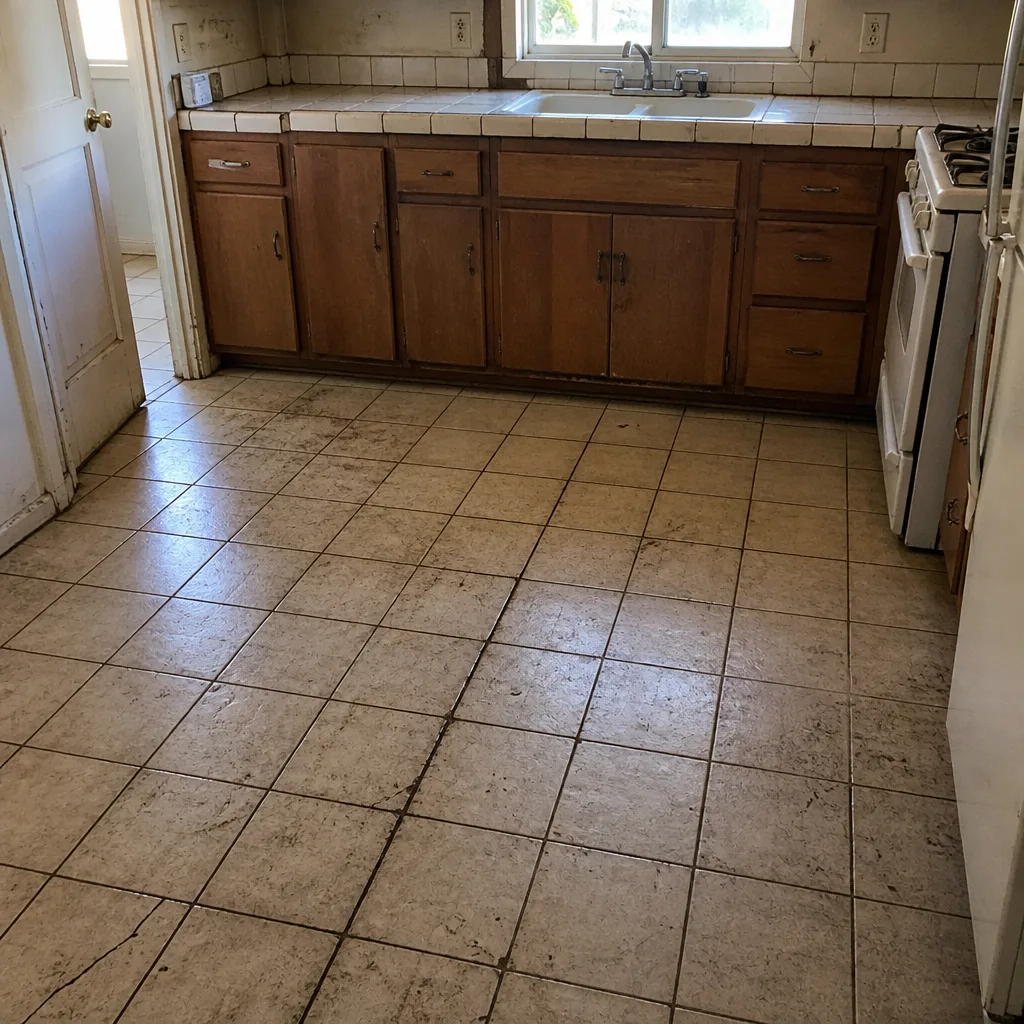 Before
 After
 Before
 After
 Before
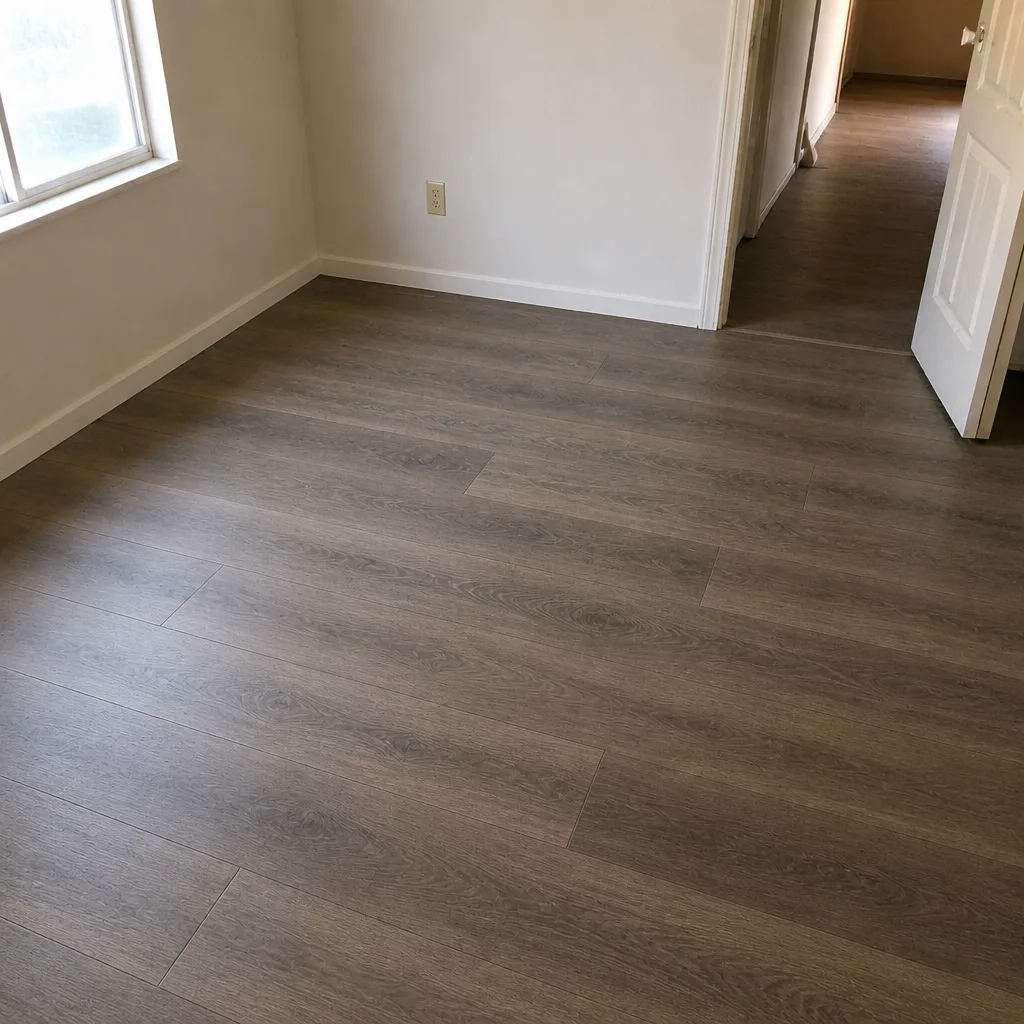 After