
Last updated November 18, 2026
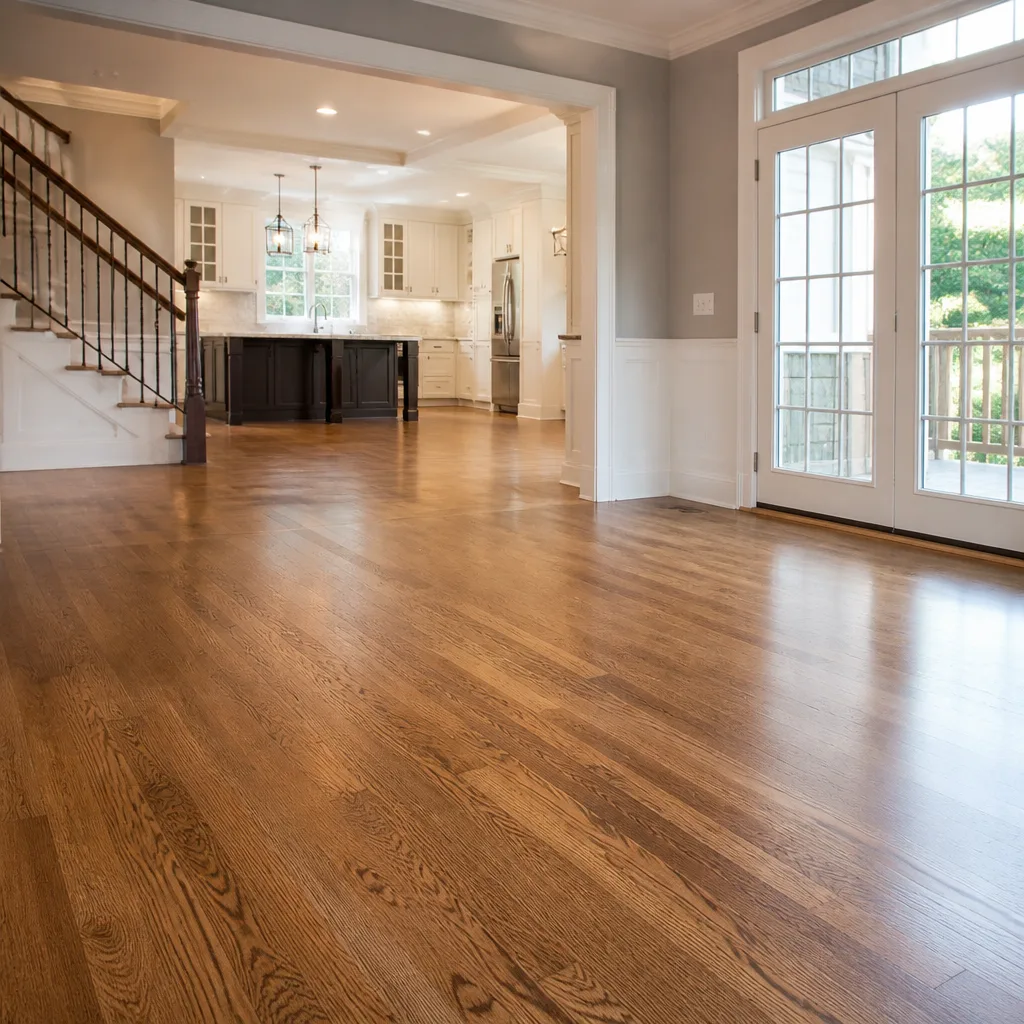 Hardwood
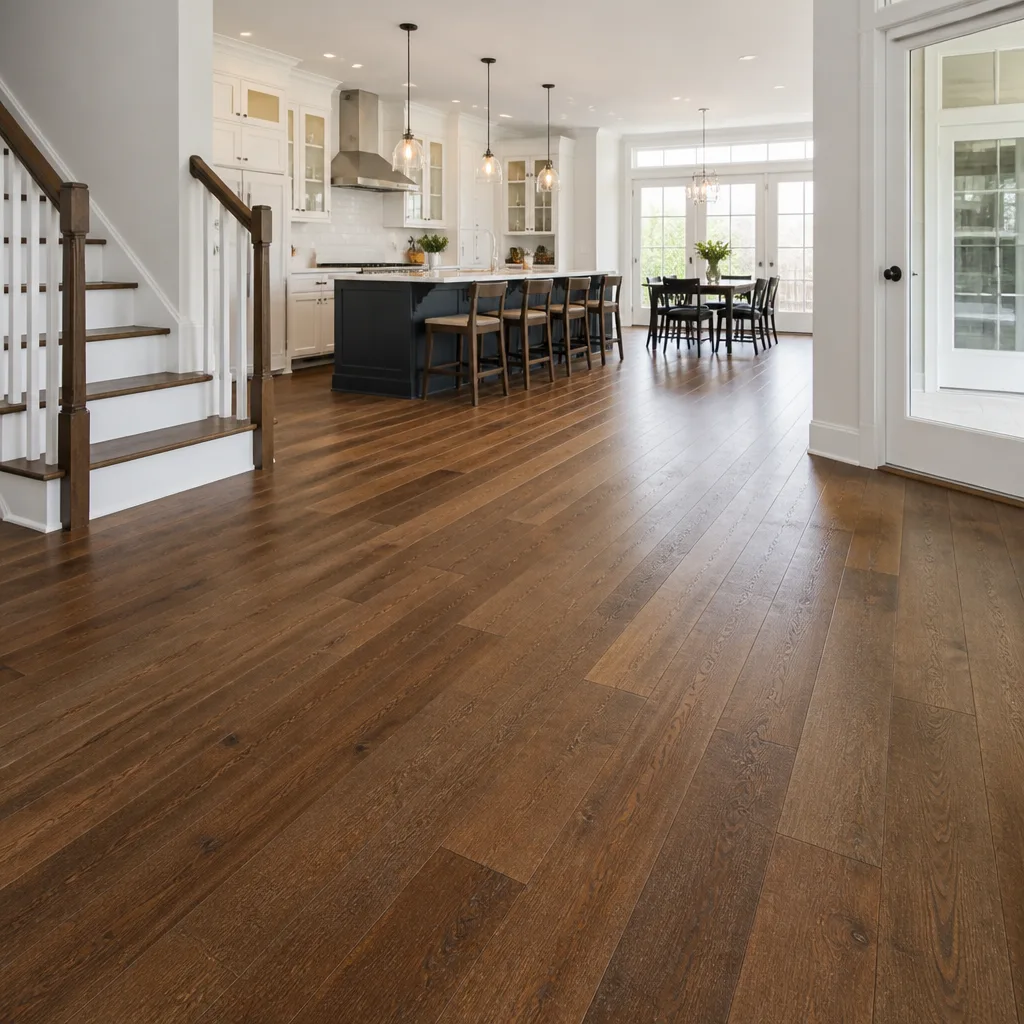 Engineered hardwood
 Luxury vinyl plank
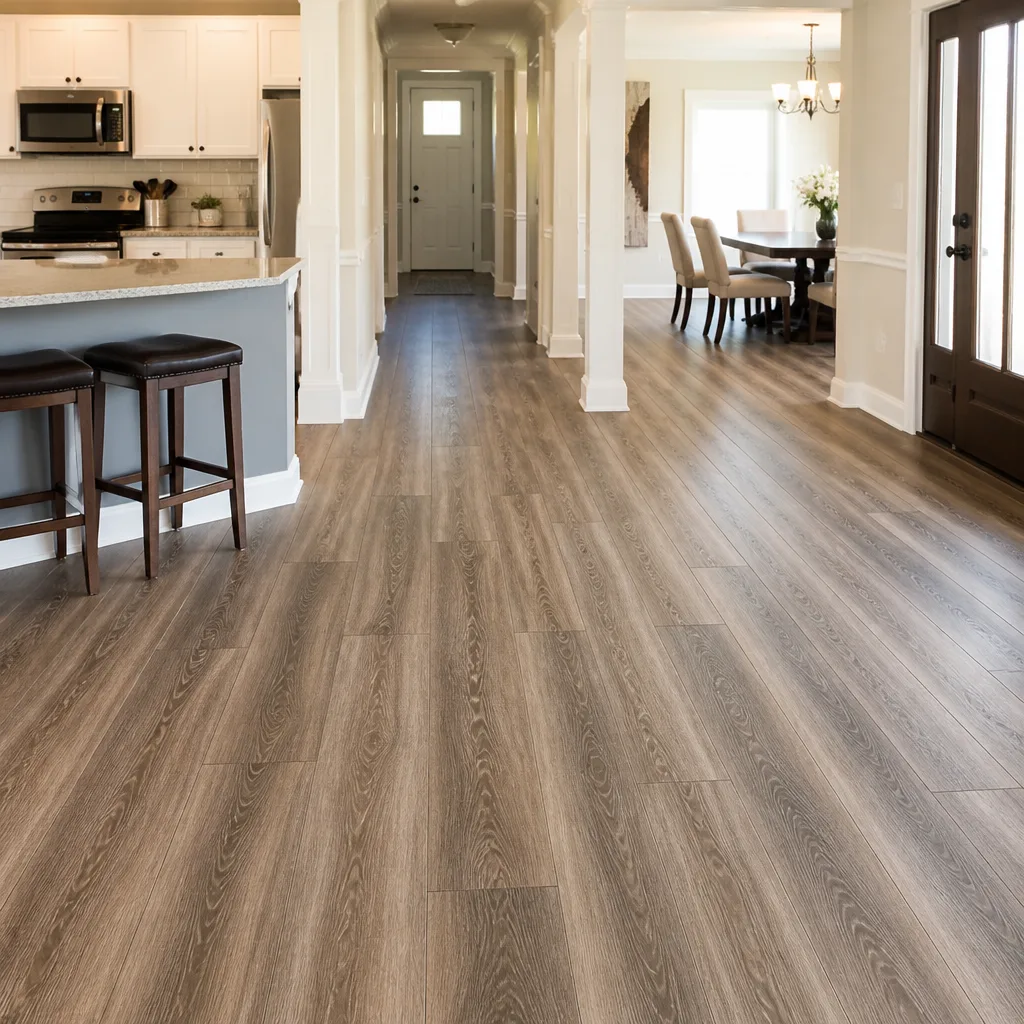 Laminate
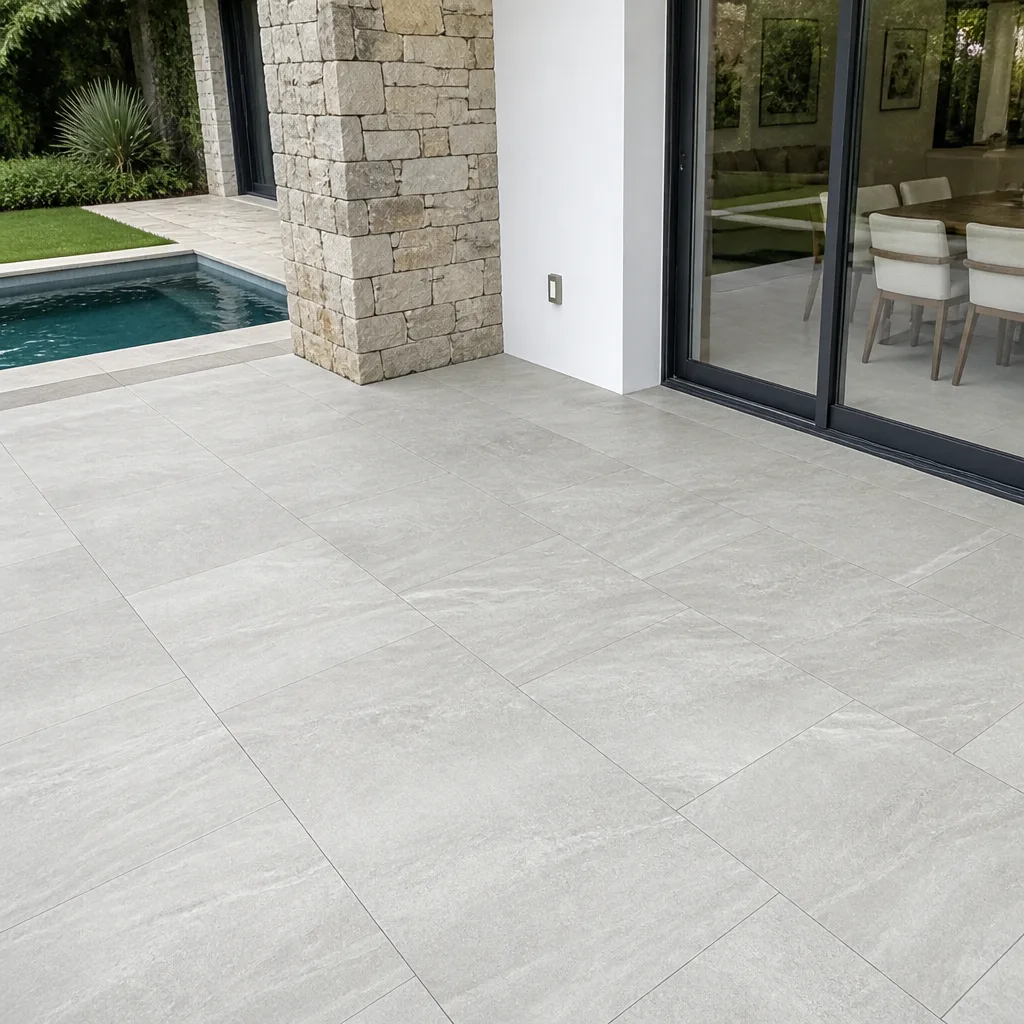 Porcelain tile
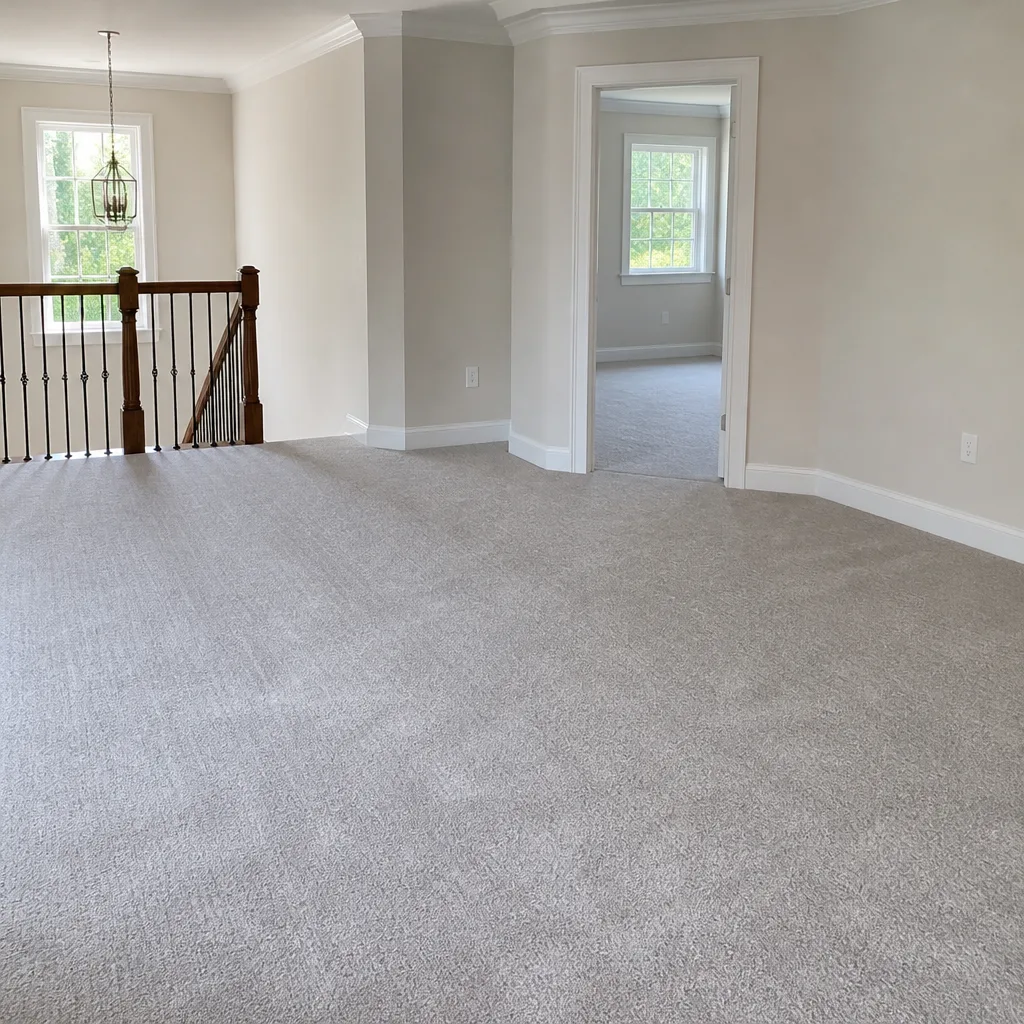 Carpet
 Shaw
 Mohawk
 COREtec
 Pergo
Free in-home measure and written estimate: Shaw, Mohawk, COREtec and Pergo lines compared on your own rooms, with carpet, tile, vinyl plank, laminate and hardwood laid out side by side
Get your free estimateFlooring Installation Questions to Ask Before You Sign
Most homeowners walk into a flooring decision with one question: “How much per square foot?” That number feels like the whole conversation. It isn’t. A per-square-foot figure tells you almost nothing about what grade of product is being quoted, who fields a warranty claim if the planks start to cup, or whether the subfloor contingency is capped or left wide open to grow. In our experience, the gap between a smooth installation and a frustrating one comes down to the questions asked before a single plank comes off the pallet. This guide gives you the contractor-facing questions that separate a product specialist from someone guessing at material fit. We’ll walk through spec sheets, warranty accountability, scope triggers, and post-install expectations, with local context for homeowners in Winchester.
Quick Answer
Before you sign a flooring contract, ask five things: the exact brand, collection, and wear layer being quoted; who is responsible for a manufacturer defect claim; what triggers additional charges once the project starts; whether installation and demo crews are direct employees or subcontractors; and what maintenance will void the warranty. A contractor who can answer all five on the spot is a product specialist. One who deflects to “we’ll figure that out on site” is a risk you don’t need to take.
Styles & brands we work with
- Hardwood
- Engineered hardwood
- Luxury vinyl plank
- Laminate
- Porcelain tile
- Carpet
- Shaw
- Mohawk
- COREtec
- Pergo
Table of Contents
- Product Specification: The Questions That Expose a Generalist
- Warranty Accountability: Who Actually Handles a Claim?
- Scope Questions: What Triggers Extra Charges Mid-Project?
- Crew and Timeline Questions: Who Physically Does the Work?
- Post-Install: Inspection, Punchlist, and Maintenance
- What the Local Climate and Housing Mean for Your Floor Choice
- Reading the Contract Itself
Product Specification: The Questions That Expose a Generalist
A product specialist can name the exact brand, collection, wear layer, and AC rating without checking a phone. This is the single fastest way to separate a knowledgeable installer from someone who mostly does handyman work and takes a flooring job when it comes up. We install from a fixed lineup of nine nationally recognized brands, which means we’re not going to steer you toward whatever happens to be on a shelf this month. The right floor for how you actually live is a conversation, not a catalog drop.
Here’s what to ask, and why each answer matters:
- Exact brand and collection. “Luxury vinyl” is a category, not a product. Ask for the brand and collection by name. For wet areas like kitchens, bathrooms, and laundry rooms, brands like COREtec and LifeProof dominate that conversation for good reason. If the contractor can’t name the line, they can’t support it after the sale either.
- Wear layer thickness. For luxury vinyl plank, the wear layer is the clear top coat that takes the traffic. Ask for the thickness in mils. For laminate, ask for the AC rating and what room rating it carries. A vague “it’s a good commercial grade” is not an answer.
- Pile height and fiber for carpet. If you’re quoting carpet, ask for pile height, face weight, and fiber type. A soft carpet for a bedroom and a low-pile for stairs and hallways are different products, and a specialist will ask you which rooms before quoting.
- Tile format and grout line width. For tile, ask about the format (the actual dimensions of the piece), the recommended grout line width, and whether the tile is ceramic, porcelain, or stone. Daltile covers all three categories with very different installation specs.
- Hardwood species and cut. If you’re refinishing existing hardwood, ask what species is down, whether it’s solid or engineered, and how thick the wear layer of wood is. That last question determines whether refinishing is even possible. The answer only comes from a look at the floor, not a phone description.
If a contractor hedges on any of these, you’re learning something useful: they’re quoting a category, not a product. That’s how floors get spec’d wrong and how homeowners end up with a plank that fails in a bathroom or a carpet that mats down in a hallway within a year. Our technicians have up to 14 years of experience between them, and the ones who’ve been in the trade longest still pull the spec sheet before quoting. For a deeper look at how we handle product selection, see our flooring installation Winchester service overview.
Warranty Accountability: Who Actually Handles a Claim?
The most important warranty question isn’t “What’s covered?” It’s “Who picks up the phone when something goes wrong?” Manufacturer warranties on flooring are real, but they only work if three things line up: the product is installed to spec, the installation method qualifies for coverage, and someone is willing to file the claim on your behalf. Ask this in the estimate meeting, not after the floor is down.
Here’s the sequence to walk through:
- Ask who handles the manufacturer claim. The installer? The brand? A third-party warranty administrator? You want a clear answer, and you want to know whether the installer’s role in a claim ends when the final invoice is paid. A specialist will file manufacturer claims and coordinate the inspection. A generalist may tell you to call the brand yourself, which usually puts you in a loop between the manufacturer and the install.
- Ask whether the installation method qualifies for full coverage. Some warranty language depends on the installation method: floating vs. glue-down, trowel size, moisture barrier, expansion gaps. If the installer’s chosen method doesn’t match the manufacturer’s instructions, coverage can be reduced or voided. Ask directly: “Does your intended installation method meet the manufacturer’s requirements for full warranty coverage?”
- Ask about moisture testing and documentation. For any plank or laminate floor over concrete, moisture matters. Ask whether the installer tests for it and documents the result. If a warranty claim ever comes up, that paper trail is what protects you.
- Ask what the installer’s own labor warranty covers. Separate from the manufacturer. Does the installer stand behind the workmanship? For how long? In writing? Get the answer into the contract.
- Ask what voids coverage. Wet mopping, standing water, certain cleaners, heavy furniture without protection, radiant heat, or use in a room the product wasn’t rated for. Any of these can disqualify a claim. A specialist will tell you this before you buy, not in fine print.
Warranty accountability is the single question most homeowners skip and most regret. A good installer will volunteer the answer. A weak one will change the subject.
Scope Questions: What Triggers Extra Charges Mid-Project?
Almost every flooring dispute we hear about starts with a scope question the homeowner didn’t ask. “The price went up because we found something under the old floor” is a real thing that happens on real jobs. Whether it’s a fair adjustment or an ambush depends entirely on how the contract was written before work started. For homes in Winchester, where mixed-age housing stock means subfloor surprises are common, this conversation matters more than it does in a newer subdivision.
Ask these before signing:
- Is demo and haul-away included? Pulling up old carpet, tile, or glued-down hardwood is a real cost. “Included in the quote” or “billed separately” needs to be settled up front.
- Is subfloor repair included or billed separately? If the flatness or condition of the subfloor is off, what’s the rate? Is there a capped allowance in the contract, or is it open-ended? An allowance gives you a number to plan around. An open-ended clause gives the installer room to send a surprise invoice.
- What’s the trigger for a mid-project change order? Ask for the threshold: what conditions on site would justify a re-quote, and who agrees to it before work continues? You should sign any change order, not just get told about it.
- Are transitions and trim included? Threshold strips, stair nose, base shoe, and quarter round are the small parts that quietly add up. Ask whether they’re in the quote or a line item.
- Who handles furniture moving and appliances? Some installers move it, some don’t, some charge. Get it in writing.
- What happens with a moisture or asbestos finding? Older floors can contain materials that should be tested before demo. Ask how the installer handles that discovery and whether the work pauses until it’s resolved.
The goal isn’t to catch anyone out. It’s to write a scope that both sides understand, so nobody’s guessing at month-end. Our written estimate spells out exactly what’s included and what would trigger an adjustment. That’s how the final price stays close to the quote.
Crew and Timeline Questions: Who Physically Does the Work?
The crew question is the one homeowners ask least and should ask most. The person you meet at the estimate isn’t always the person on your floor on install day. That’s not automatically a problem, but it is a question worth asking clearly. If the estimate is done by a product specialist and the install is done by a subcontractor, you want to know how quality is checked at each step.
Ask this set before you sign:
- Who physically performs the installation? Direct employees or subcontractors? There’s no right answer, but there is an honest one. A specialist will tell you straight and describe how work is inspected.
- Is the same crew on the job for the entire install? Rotating crews mid-project is where punchlist items slip. Ask whether one lead installer owns your job from demo to cleanup.
- What’s the realistic project duration for my square footage? Ask for a duration in working days, not a calendar date. Weather, material deliveries, and subfloor surprises all move the schedule, and a good installer will say so rather than over-promise.
- What’s the order of work? Demo, subfloor prep, material acclimation, install, transitions, cleanup. Each has its own stage. A specialist will map it for you.
- What does the daily handoff look like? Will the crew clean up at the end of each day, and how do they protect adjacent rooms and furniture?
There’s a follow-up question that goes with this one: how does the installer handle it if a material is damaged, back-ordered, or a box arrives short? The answer tells you a lot about whether they’ve done this enough times to know the realities of the trade. If you’re planning carpet installation, the crew and timeline questions matter just as much for soft surfaces as they do for tile, because seam placement and stretch time have to be planned, not improvised.
Post-Install: Inspection, Punchlist, and Maintenance
The floor isn’t finished when the last plank goes down. It’s finished when you and the lead installer have walked the job together and everything on the punchlist is closed out. This is the step homeowners most often skip because the floor looks good and they want their house back. But it’s also the step that protects the warranty and protects the work.
Here’s what to ask about before the install, so it happens correctly after:
- What does the final walkthrough cover? Every room, every transition, every grout line, height drop at thresholds, and appearance of the finish. Confirm that a walk-through with the lead installer is part of the job, not a phone call.
- How are punchlist items handled? If you spot something during the walk (a proud plank, a hollow tile, a seam that shows), how is it scheduled? What’s the window for the return trip? Who’s the point of contact?
- What’s the maintenance protocol? For LVP, laminate, tile, carpet, and hardwood, the cleaning routine is not the same. Ask for the maintenance instructions from the brand on your specific product, not a generic care sheet. Mannington and Pergo products in particular have their own recommendations.
- What voids the warranty? Wet mopping a plank floor, steam cleaning a laminate, using an abrasive on a polished tile, or skipping a felt pad under furniture can all void coverage. Get the list before you sign.
- What does the first month of adjustment look like? Depending on the product and the season, floors can expand, contract, or need a small adjustment. Ask what to watch for and who to call if something looks off.
If the installer can’t answer these, or waves them off as obvious, that’s not a specialist. That’s someone who’ll be difficult to reach when a real question shows up. For related detail on the tile side, our tile flooring installation guide covers seam, grout, and moisture specifics.
What the Local Climate and Housing Mean for Your Floor Choice
Flooring choices that work beautifully in one part of the country can be wrong in another. Winchester sits in a desert environment where the swing between a hot dry summer and a cold winter puts real demands on a floor. That doesn’t mean the wrong product, just that the questions you ask should reflect the conditions the floor will actually live in.
Three local realities shape the answers:
- Dry air and seasonal movement. Solid hardwood in a very dry climate can move more than homeowners expect. That’s why some installers recommend an engineered product, or a hardwood that’s been on site long enough to settle before install. Either way, ask how the installer is accounting for seasonal movement in their layout.
- Interior moisture from air conditioning drain lines and evaporative coolers. If your home uses an evaporative cooler or has an AC condensate line running through a wall, that moisture is worth flagging. Water-resistant plank products like COREtec and LifeProof handle humidity swings better than laminate. Standing water is a different story, so any leak gets dealt with regardless of product.
- Housing age and subfloor prep. The older homes in and around Winchester have subfloors that were built to different standards than today’s. A flat-floor check with a straightedge and the right fill material is part of the quote, not an add-on. Ask what prep is included before you sign.
One more local consideration: if you’re refinishing existing hardwood rather than replacing, the questions shift toward how much material is actually on the floor. Refinishing depends on the thickness of the wood and its condition, and that’s a judgment made at the estimate visit, not over the phone. Our Winchester service page has more on how we assess local homes.
Reading the Contract Itself
The contract is the last line of defense, and it’s worth reading slowly. A specialist won’t be insulted if you take your time; a weaker contractor will push you to sign quickly. Either way, ask these questions about the document:
- Is the brand and collection written in? Not just “LVP.” The exact brand and line. That’s what protects you if a substitute gets offered.
- Is the square footage and overage noted? Every job needs a waste allowance. Ask for the percentage written into the quote.
- Is the estimate or quote labeled as such? An estimate is a starting number. A written quote is a fixed number with defined scope. Ask which one you’re getting.
- Are the payment milestones spelled out? Deposit, progress payment, balance. Not a handshake arrangement.
- Is the change-order process described? Who authorizes, who signs, and what the threshold is.
- Is the warranty language mirrored from the manufacturer, or paraphrased? Paraphrased warranty language is where accountability gets lost.
Get the answers in writing before you sign. It’s not about being suspicious. It’s about making sure both sides understand the same thing on day one.
Common Mistakes to Avoid
- Quoting on per-square-foot price alone. The lowest number often reflects a thinner wear layer, a smaller format tile, or an undefined scope. Compare line items, not totals.
- Not asking who handles a warranty claim. The manufacturer and the installer each have a role. Make sure you know who files the claim and who coordinates the inspection.
- Assuming subfloor prep is included. In older Winchester homes, subfloor condition can’t be judged until demo is done. Insist on a capped allowance or a written rate before work starts.
- Failing to ask whether the crew is direct or subcontracted. There’s no right answer, but you deserve to know who is on your floor and how the work is inspected.
- Taking the installer’s word on warranty maintenance instead of the brand’s instructions. The maintenance that voids a warranty comes from the brand’s own documents, not the installer’s summary.
- Letting a per-square-foot quote be given for a product in a room it wasn’t rated for. LVP in a bathroom, laminate in a basement, and tile in a crawlspace-adjacent room each have specific product matches. Ask how the installer is matching product to room.
- Skipping the final walkthrough because the floor looks good. Punchlist items are easier to close out in the first week than at the first sign of a problem.
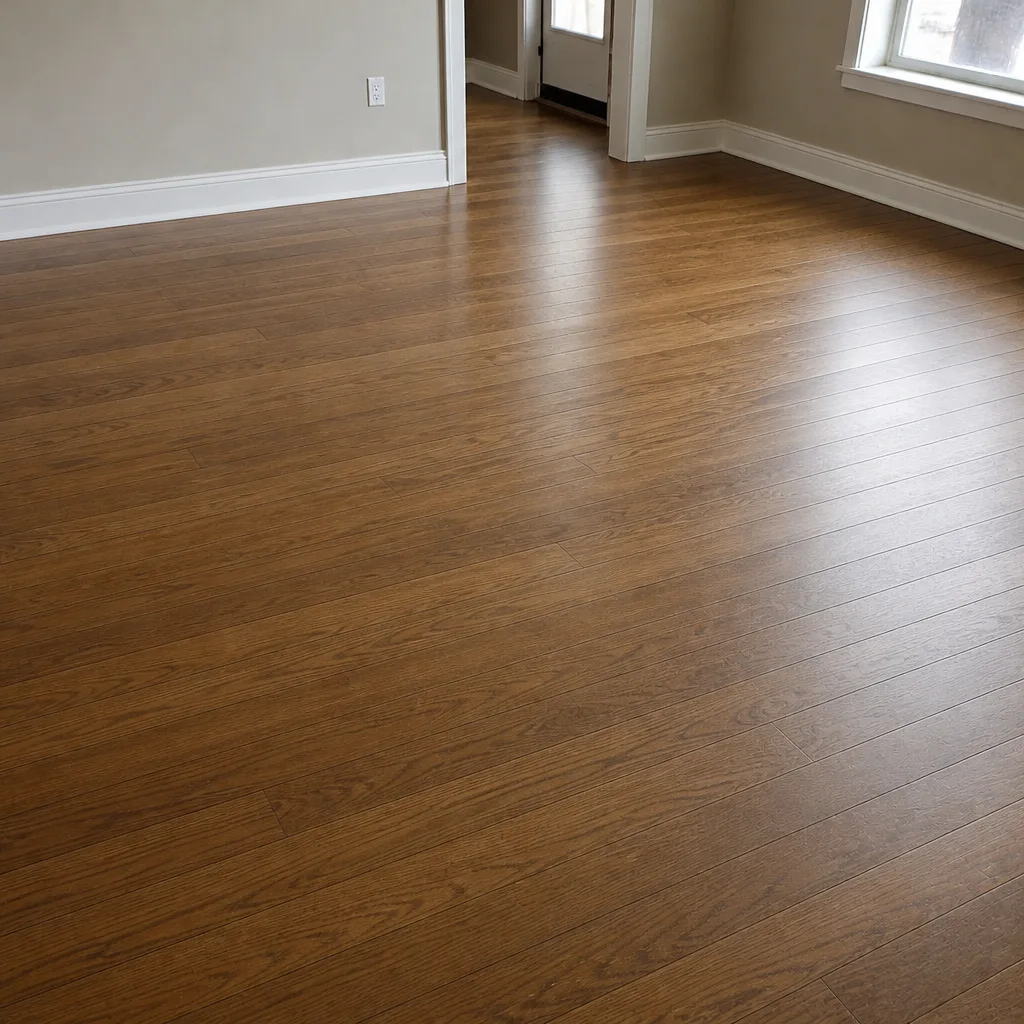
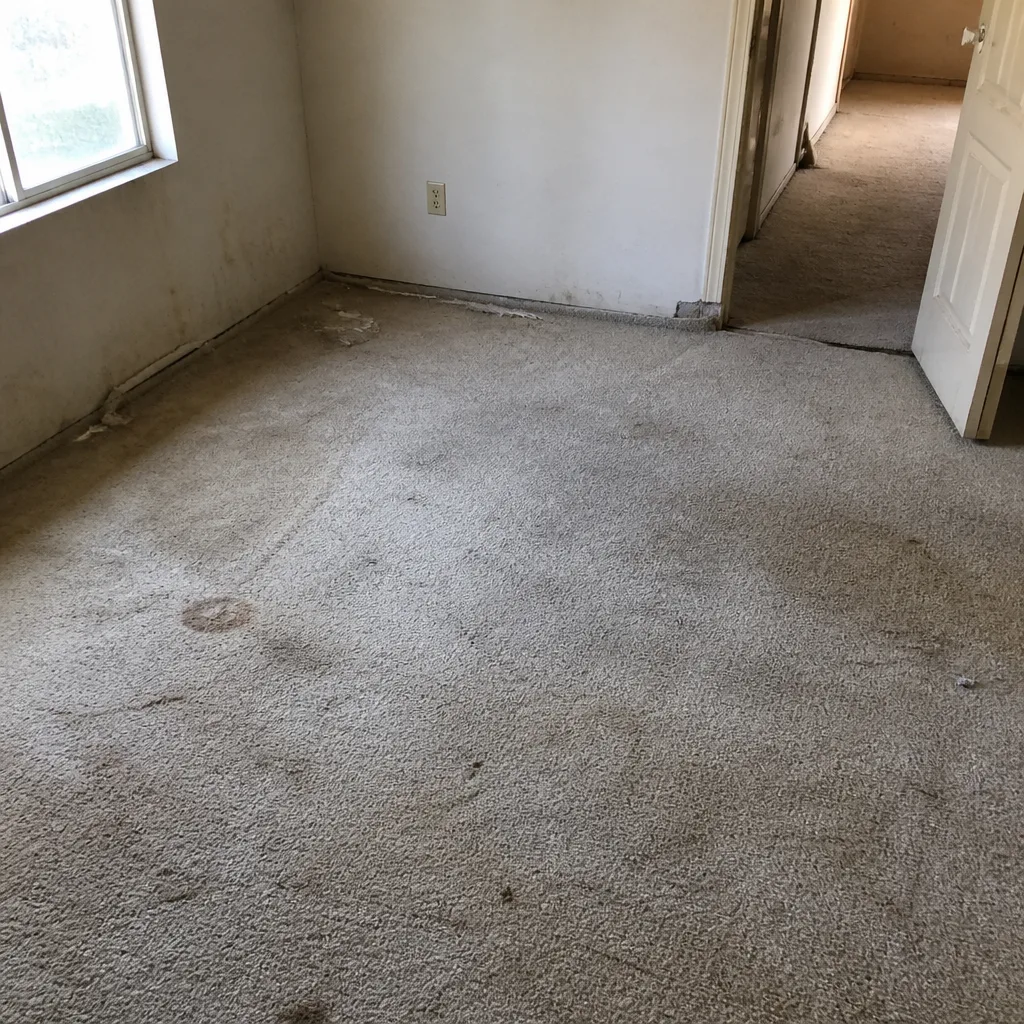
See the difference
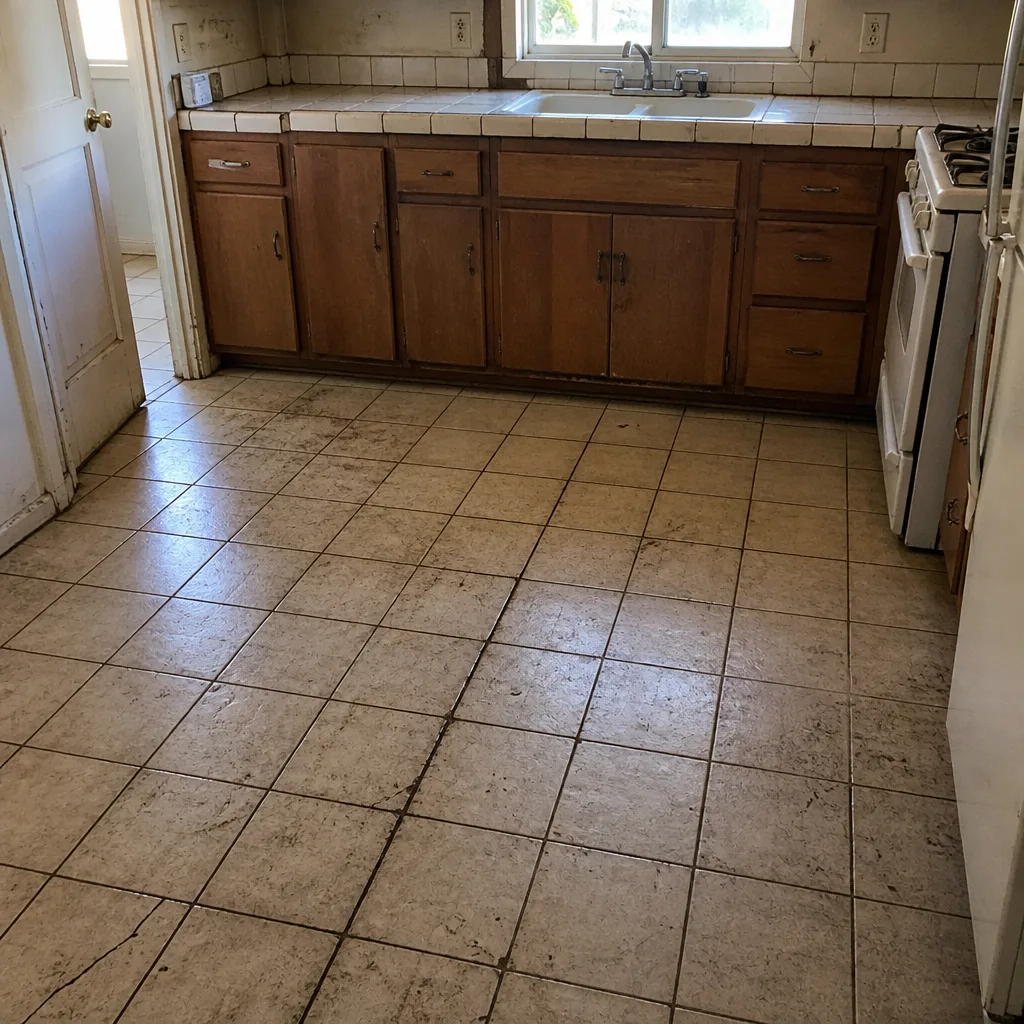 Before
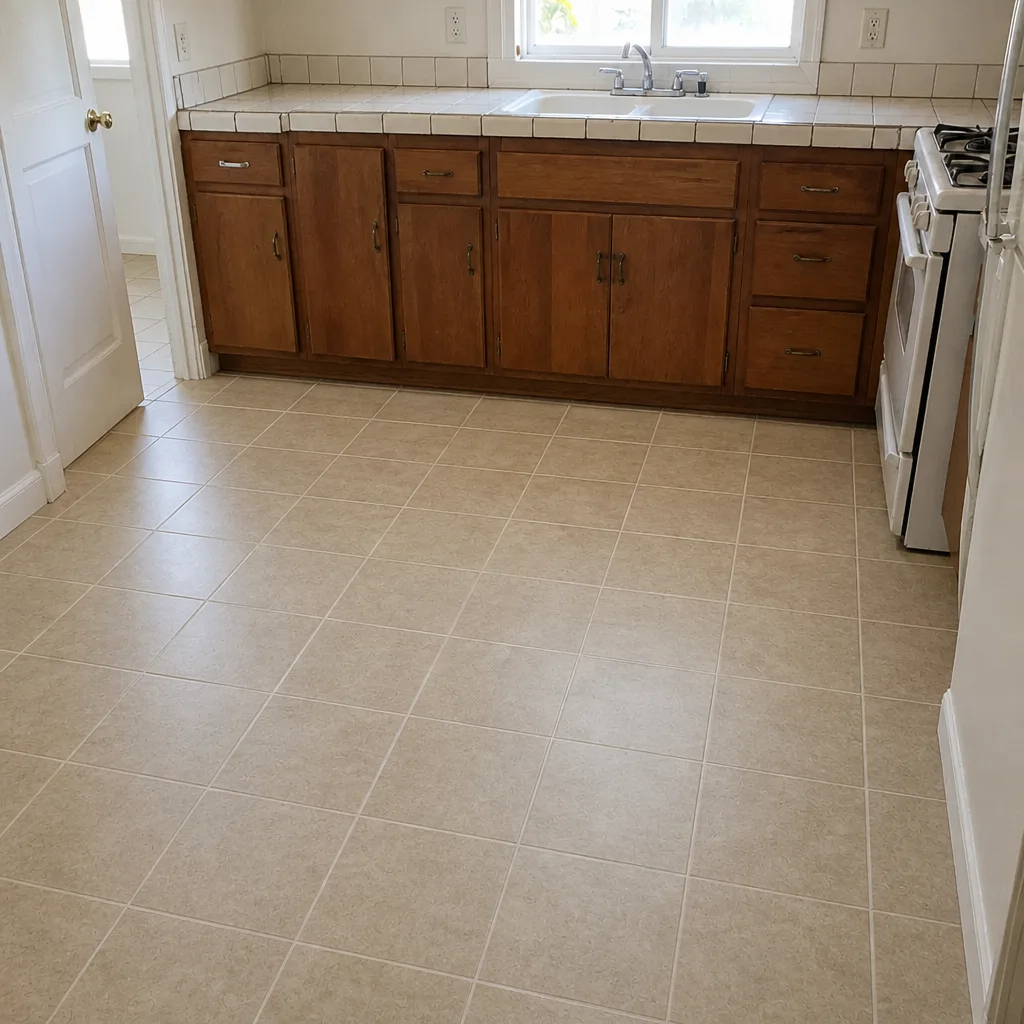 After
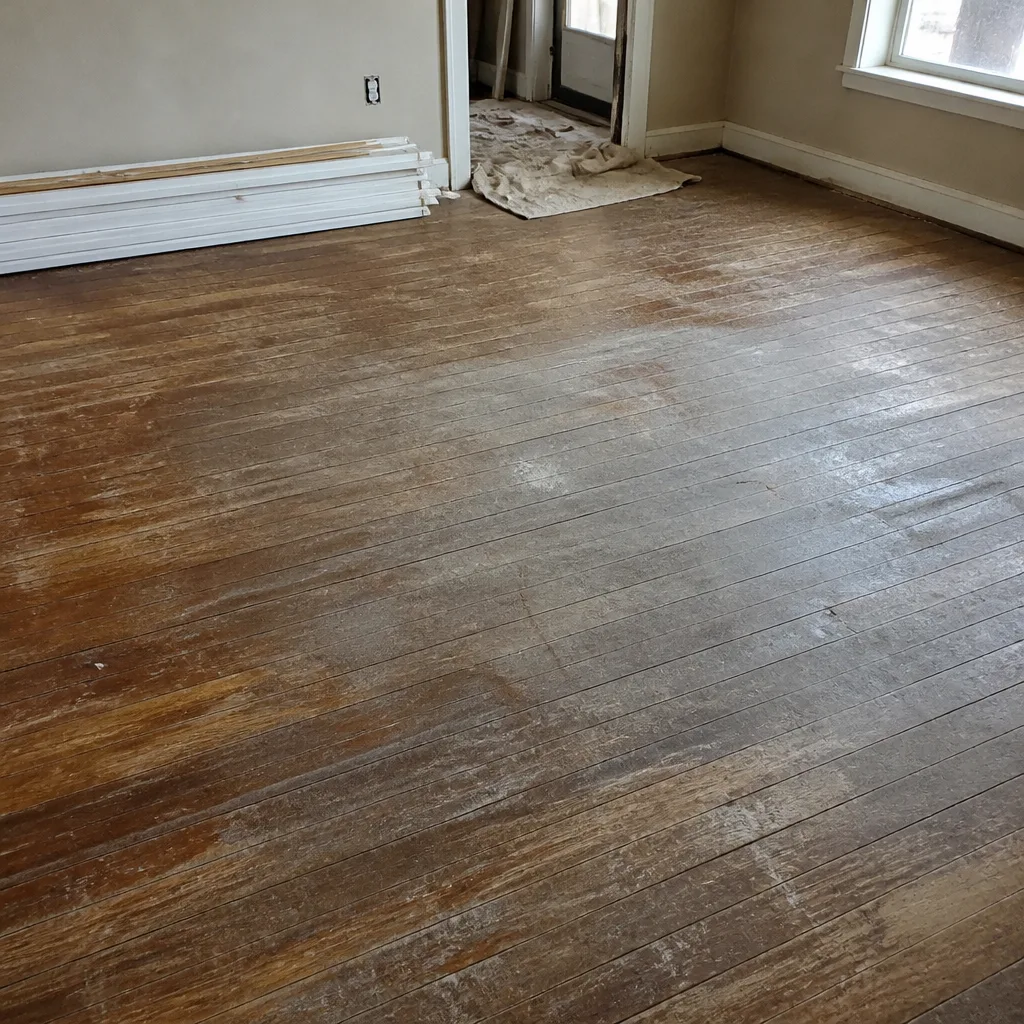 Before
 After
 Before
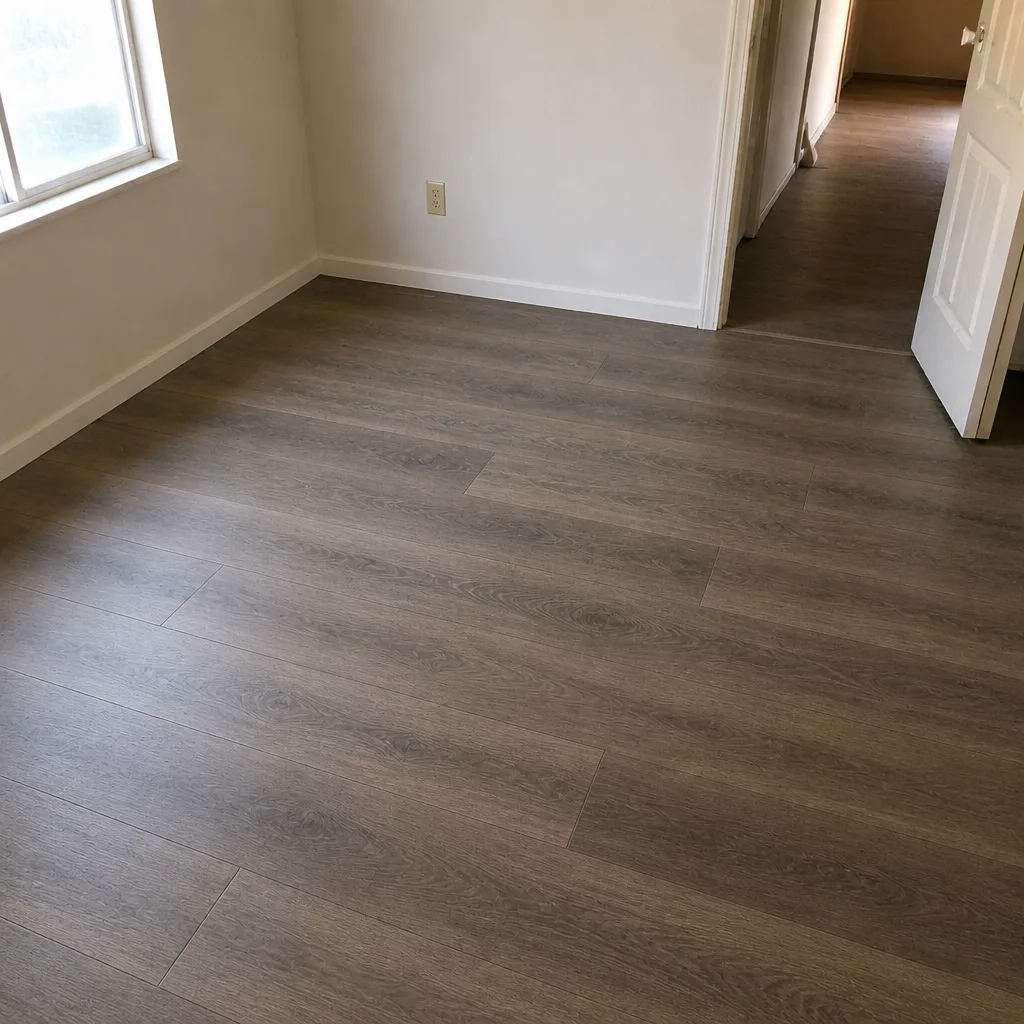 After
When to Call a Professional
Some flooring decisions benefit from a professional on site, even when the homeowner is handy. If your home has older subfloors, if you’re choosing between refinishing existing hardwood and replacing it, if you’re weighing tile against plank in a wet room, or if the room is over a concrete slab where moisture matters, an in-home assessment is worth it. The estimate is free and it gets you real answers to the product, scope, and warranty questions above. Flooring Installation Winchester offers free estimates in Winchester. Call (833) 954-5991. We answer 24/7. Fast dispatch from 7am to 7pm, Sunday through Friday.
Frequently Asked Questions
Ask for the exact brand, collection, and product specification being quoted. A specialist can answer on the spot. A generalist will hedge. The spec sheet drives everything else: wear layer, warranty qualification, install method, and room suitability. If you’re told “we’ll work that out later,” that’s the signal to get a second estimate. Call (833) 954-5991 for a free estimate where every spec is written into the quote.
No. A per-square-foot price alone doesn’t reveal product grade, whether subfloor prep and demo are included, or how transitions and trim are handled. Compare line items instead: brand and collection, prep allowance, demo, transitions, trim, and warranty language. Two quotes with the same per-square-foot number can be thousands of dollars apart in real scope. Call (833) 954-5991 and we’ll walk through a line-item quote with you.
The installer should coordinate the claim and the manufacturer should honor it, but only if the install method met the brand’s requirements. Ask up front who files the claim, who does the inspection, and what documents protect you if a claim is ever needed. A specialist will answer all three clearly. Call (833) 954-5991 to schedule a free estimate with the answers written into your quote.
Not usually, but whether demo is included depends on what you signed. Ask in the estimate meeting whether tear-out and haul-away are line items in the quote. In older Winchester homes, demo is also the moment subfloor condition gets real. Confirm what happens if the crew finds unexpected damage and how that’s priced. Call (833) 954-5991 for a free estimate that spells out demo and prep.
Refinishing is the first question to ask before replacement. Whether it’s possible depends on the thickness of the wood and its current condition, and that’s judged at the estimate visit, not over the phone. If refinishing is viable, it can save you the material cost of a new hardwood install. Call (833) 954-5991 to have your hardwood assessed in person.
The duration depends on square footage, material, subfloor condition, and whether demo is part of the job. Ask for a duration in working days rather than a single calendar date, and ask what factors would move the schedule. A good installer will give you an honest range and map out the stages: demo, prep, install, transitions, cleanup. Call (833) 954-5991 to book a free estimate and get a realistic duration for your rooms.
The Bottom Line
The questions you ask before you sign a flooring contract do more to protect you than any brand badge or per-square-foot price. Get the exact product, collection, and wear layer in the quote. Get warranty accountability in writing. Nail down what triggers a mid-project charge and who authorizes it. Confirm who’s on the crew, how long the job runs, and how the walkthrough works. Ask what maintenance voids the warranty. It’s a short meeting with the right installer, and it saves months of frustration with the wrong one. Flooring Installation Winchester installs from nine brand partners in a fixed lineup, and our written estimates carry every one of these answers. Call (833) 954-5991 for a free estimate in Winchester. We answer 24/7. Fast dispatch from 7am to 7pm, Sunday through Friday.
Written by the team at Flooring Installation Winchester.