
Last updated November 18, 2026
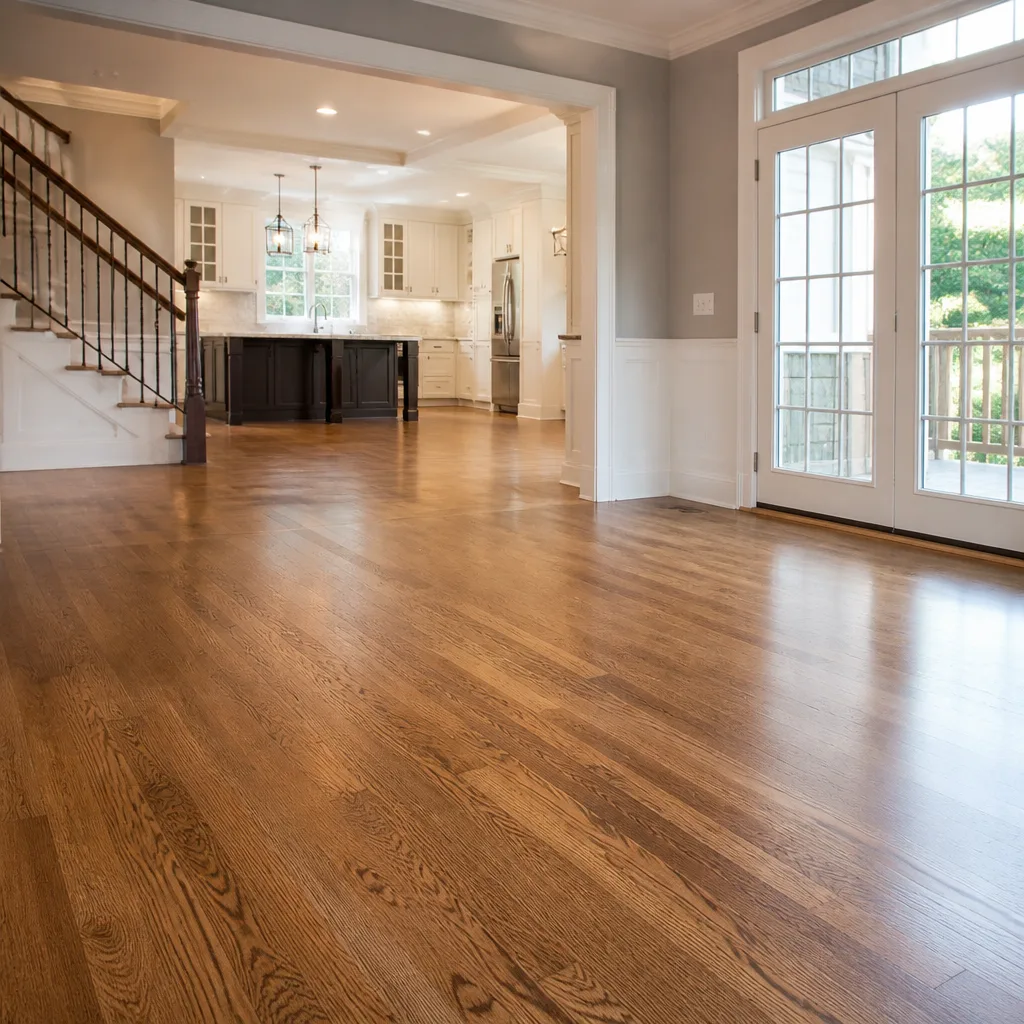 Hardwood
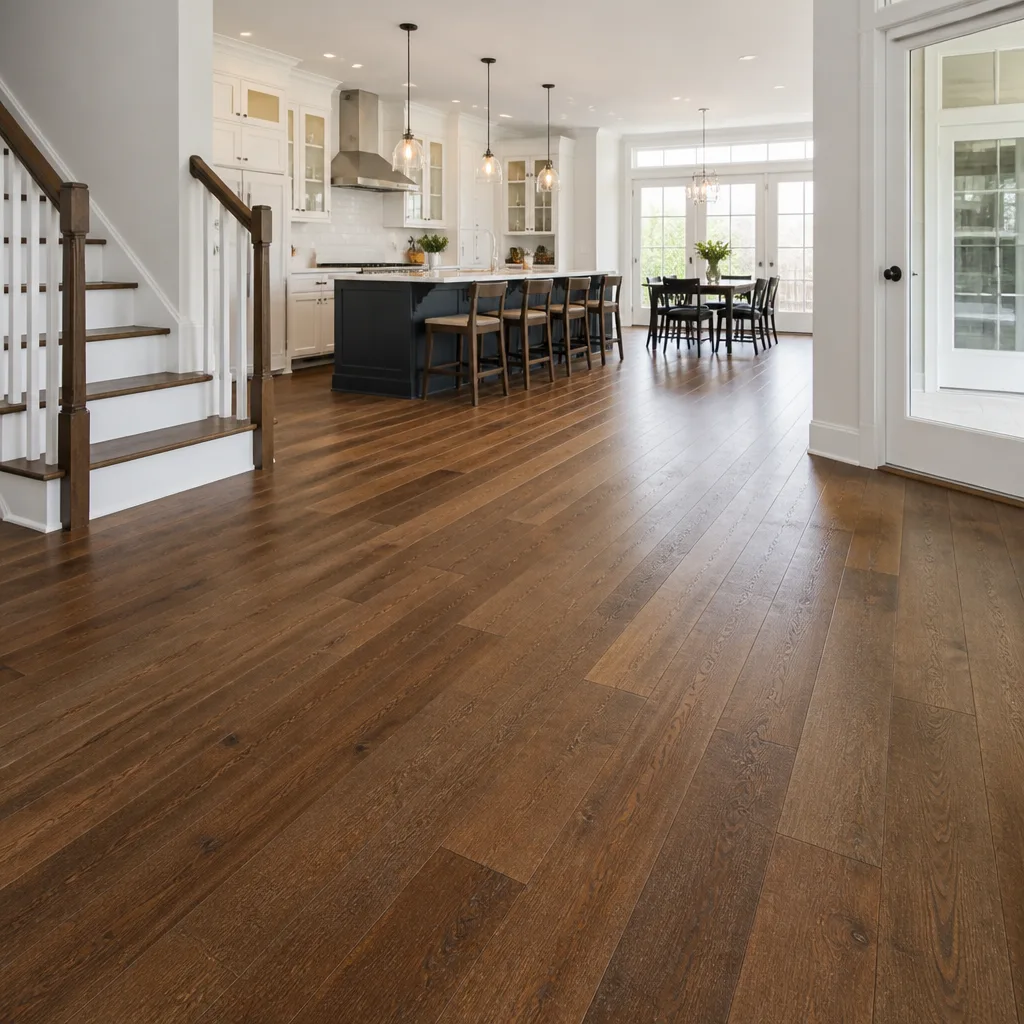 Engineered hardwood
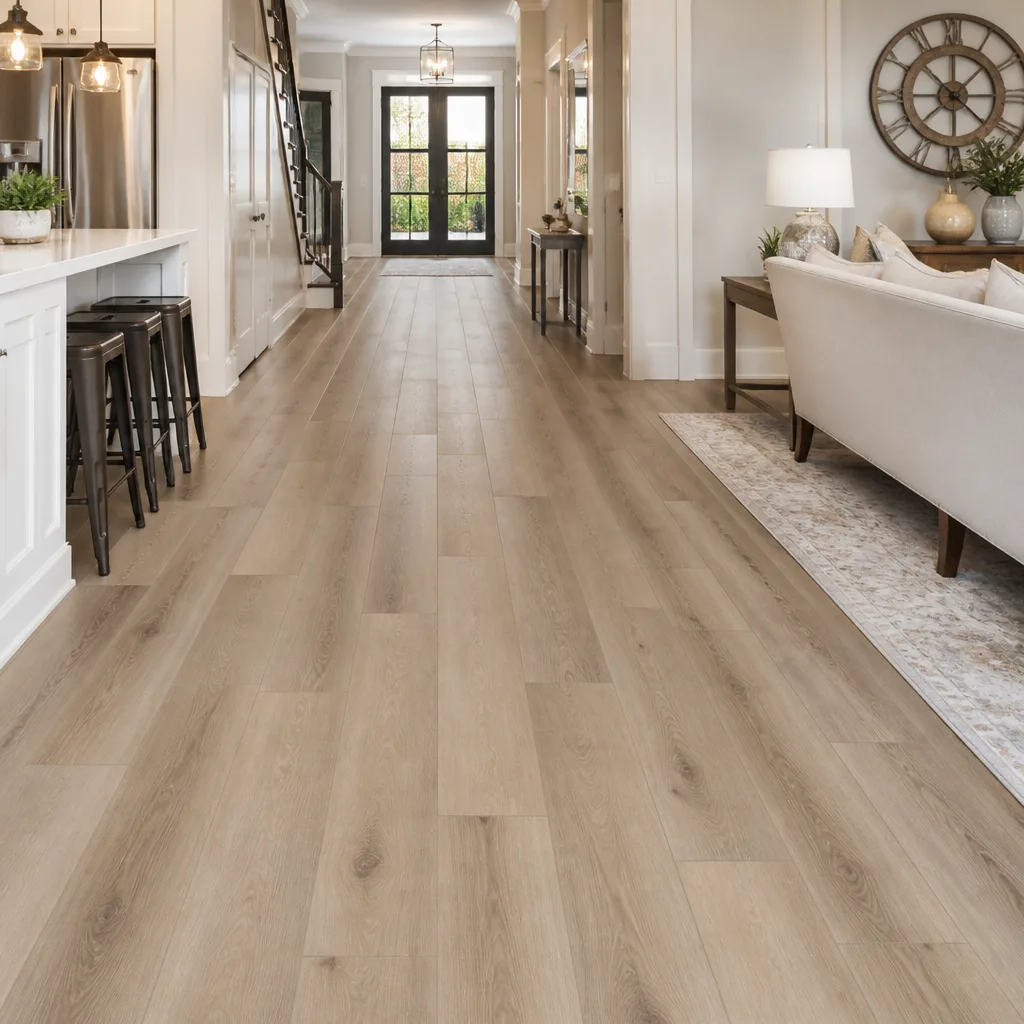 Luxury vinyl plank
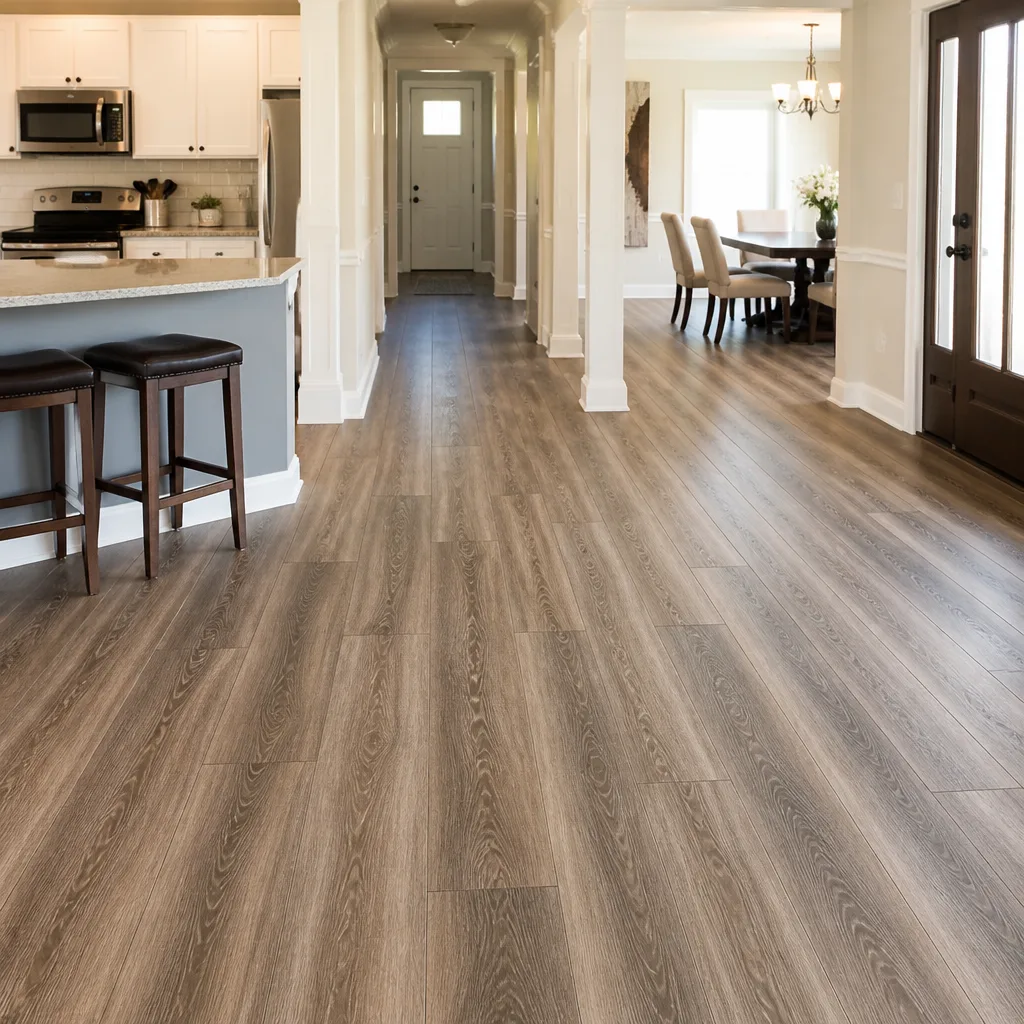 Laminate
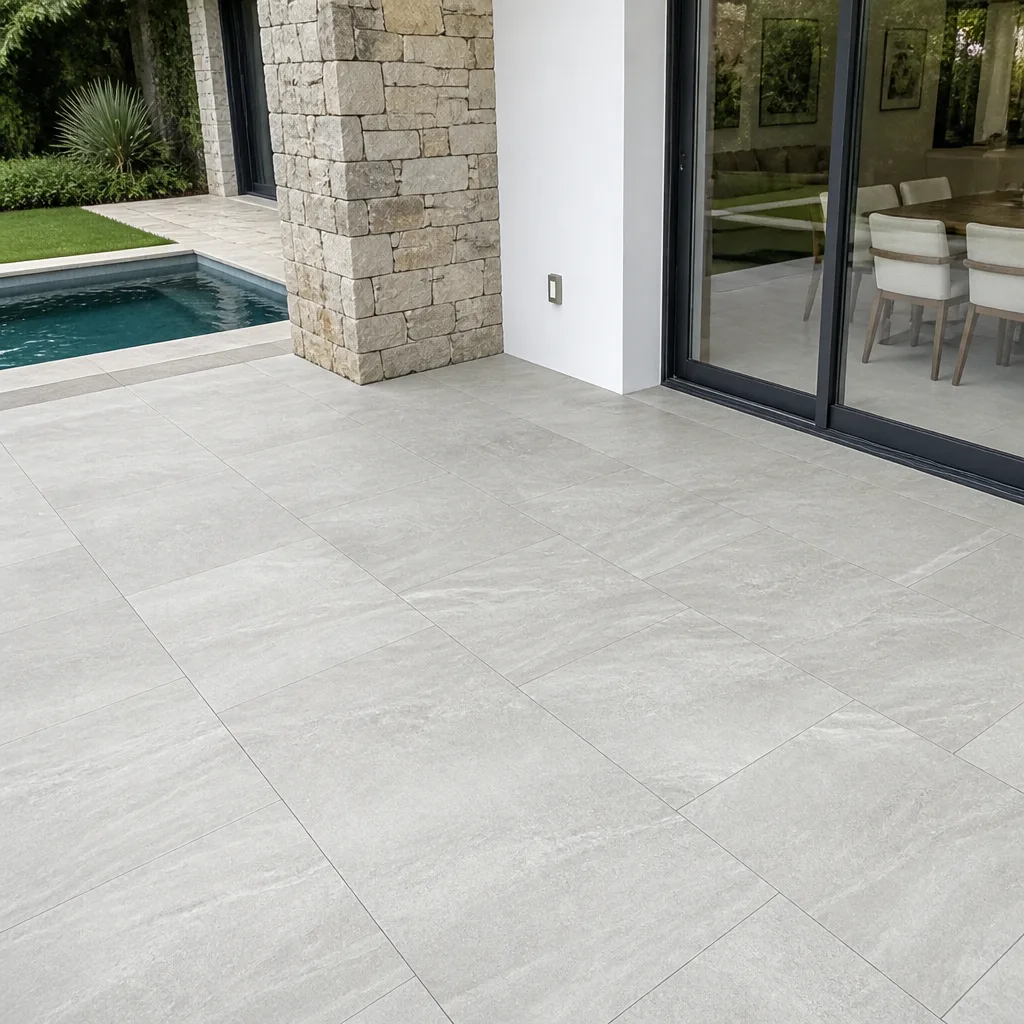 Porcelain tile
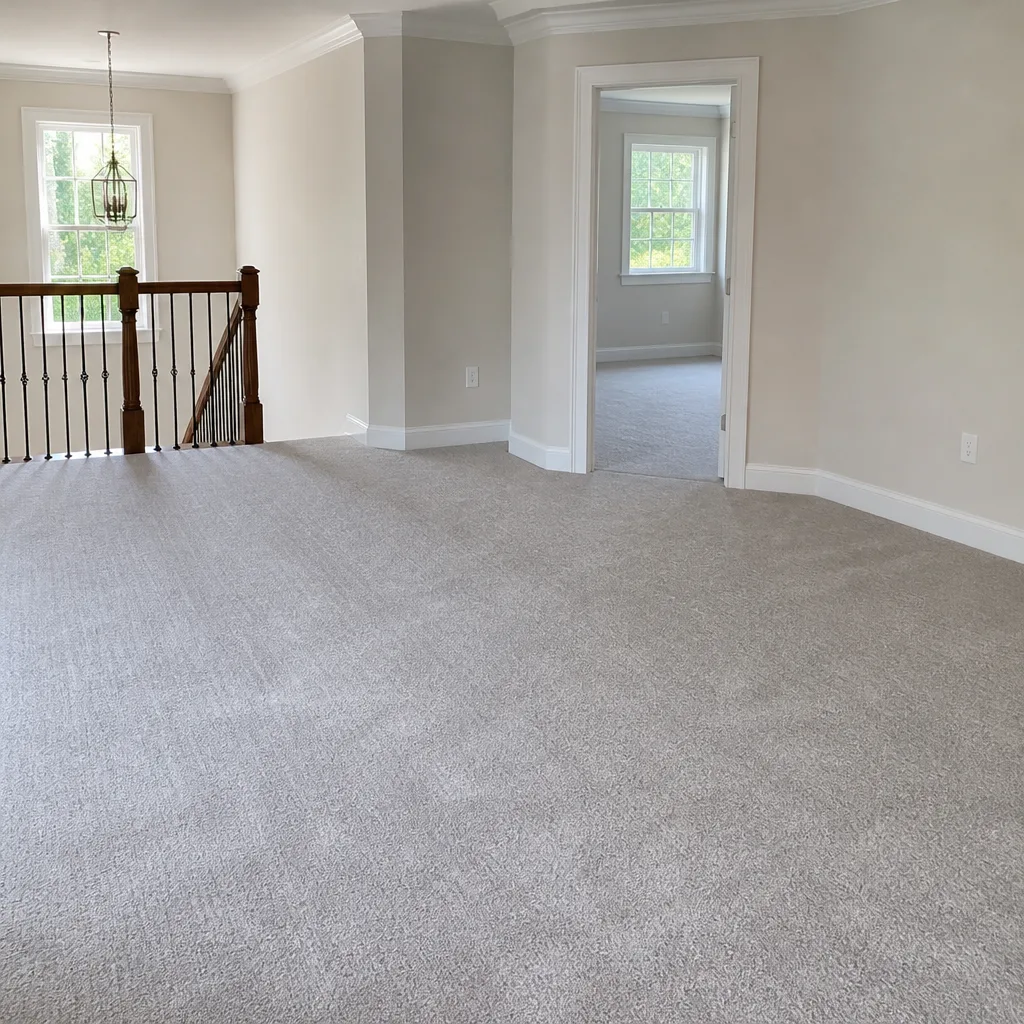 Carpet
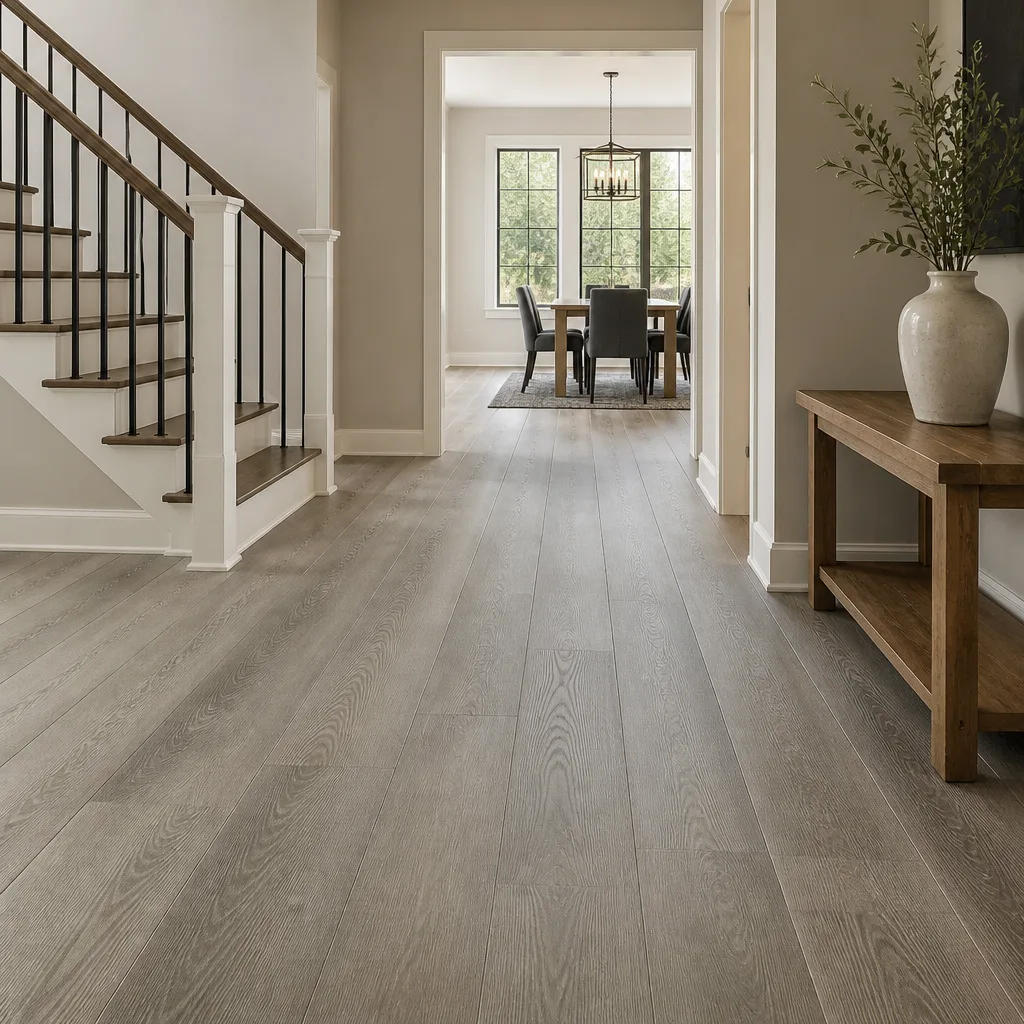 Shaw
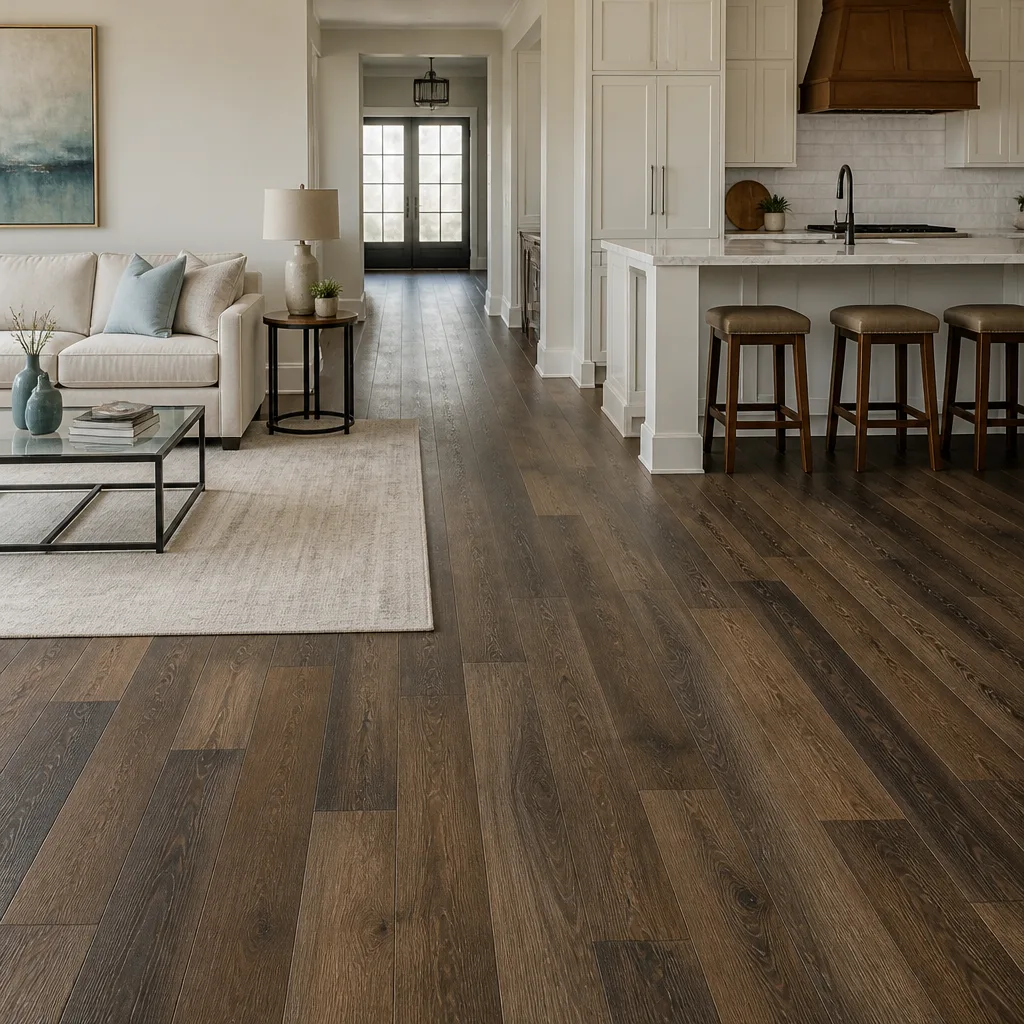 Mohawk
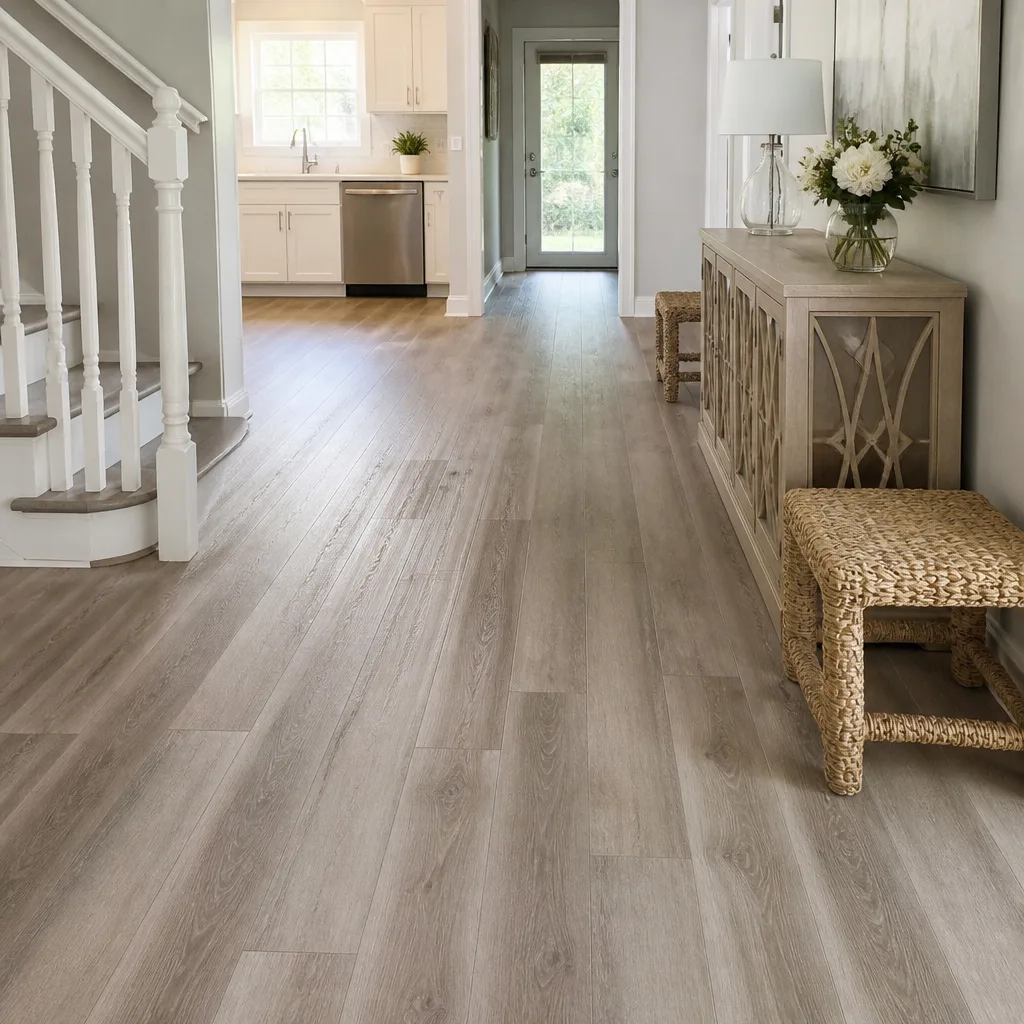 COREtec
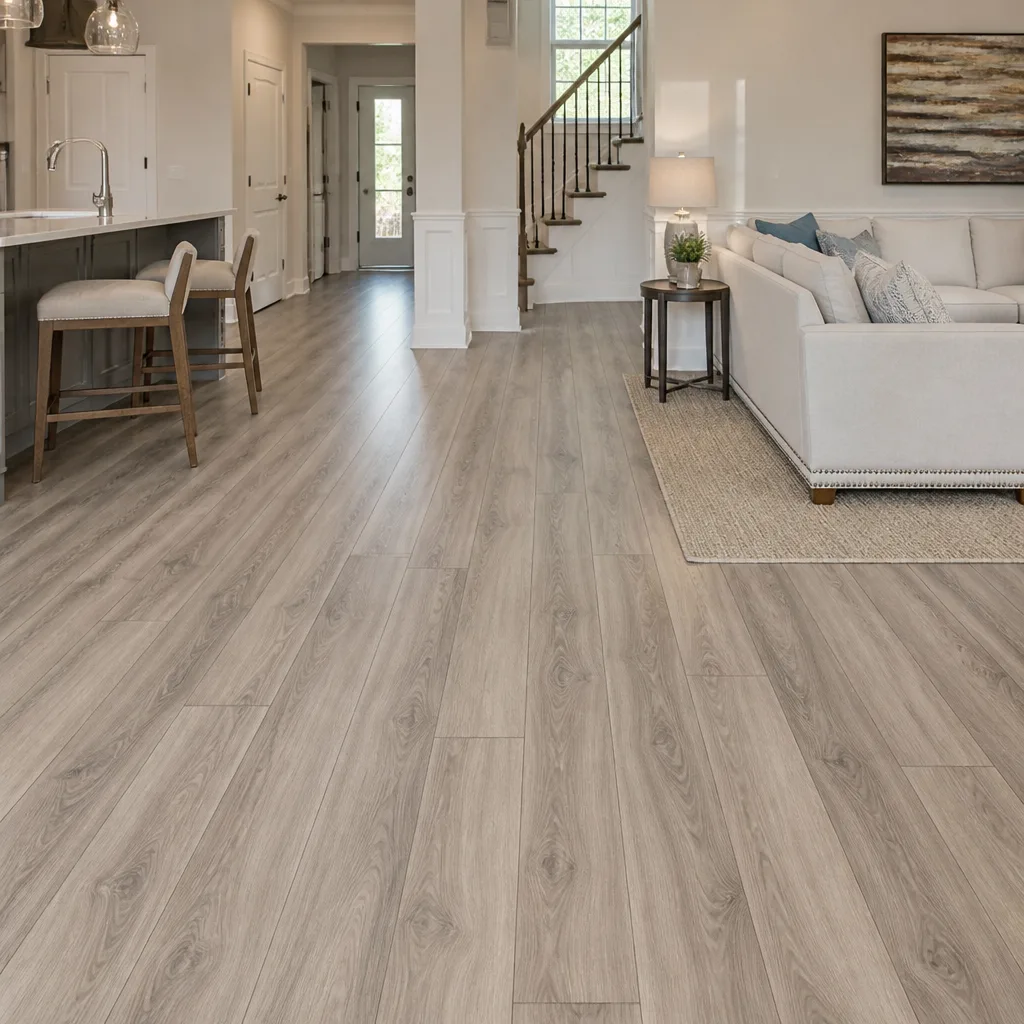 Pergo
Free in-home measure and written estimate: Shaw, Mohawk, COREtec and Pergo lines compared on your own rooms, with carpet, tile, vinyl plank, laminate and hardwood laid out side by side
Get your free estimateHow Winchester’s Climate Can Affect Your Flooring Choice
Solid hardwood can gap by nearly a quarter inch in a low-humidity Nevada winter. Most national flooring guides never mention that, because they’re written for the mid-Atlantic climate where most lumber mills are headquartered and where summer air is heavy with moisture. Winchester sits in the high desert, and the air here does the opposite of what those guides assume. It pulls moisture out of anything porous, including your floor, and it does it seasonally, predictably, and hard. The result: several popular flooring choices that look fine on a showroom sample are the wrong call before you even get a quote. This guide walks through the climate data that actually matters, what it does to wood, laminate, tile and luxury vinyl, and how to narrow the field to materials that will hold up in Winchester for the long haul.
Quick Answer
The best flooring for Winchester, NV is tile and luxury vinyl plank, because both are dimensionally stable in a climate with roughly 20 – 40% relative humidity and wide daily temperature swings. Engineered hardwood is a solid second for rooms where you want real wood, provided the core is built for low-humidity conditions. Solid hardwood and cheap laminate are the riskiest choices here because they move, gap and cup with the seasonal humidity cycle.
Styles & brands we work with
- Hardwood
- Engineered hardwood
- Luxury vinyl plank
- Laminate
- Porcelain tile
- Carpet
- Shaw
- Mohawk
- COREtec
- Pergo
Table of Contents
- What Winchester’s Climate Data Actually Looks Like
- Why 20 – 40% Humidity Is Hard on Wood and Laminate
- How 40°F Daily Temperature Swings Stress Floating Floors
- Engineered Hardwood vs. Solid Hardwood in a Desert Climate
- Tile and Luxury Vinyl Plank: The Most Dimensionally Stable Options
- Grout Joint Sizing for Tile in a Thermal-Swing Environment
- The One HVAC Habit That Extends Any Wood Floor’s Life
- Refinish Before You Replace: A Note on Existing Hardwood
What Winchester’s Climate Data Actually Looks Like
Before you pick a plank, it helps to know what the air around your floor is doing. Winchester is a high desert community, and the numbers here are not what most flooring literature assumes. Relative humidity in the region runs roughly 20 – 40% across the year, with the low end hitting in winter afternoons and the high end showing up during summer monsoon season. That range matters, because wood and wood-based products respond to change in humidity as much as to the absolute level.
The other number that matters is daily temperature swing. Winchester routinely sees about 40°F between the coolest pre-dawn hours and the warmest afternoon, especially in spring and fall. That’s a larger swing than most of the country experiences, and it happens whether you’re heating or cooling or just leaving the windows open in October.
Two more local factors worth knowing:
- Low summer rain, high summer humidity spikes. Monsoon season still brings bursts of moisture. Floors need to handle the swing from dry to humid, not a steady state.
- Intense sun exposure. The desert sun fades flooring through windows faster here than in most climates. Any floor with a printed wear layer will fade faster in a west-facing Winchester room.
A flooring installer who’s actually worked here reads these numbers the same way you would: the climate narrows the menu before style preferences do.
Why 20 – 40% Humidity Is Hard on Wood and Laminate
Wood is a hygroscopic material. It absorbs and releases moisture from the air around it, and it swells when it absorbs and shrinks when it releases. In a climate that swings from 20% to 40% relative humidity and back, your floor is essentially doing a slow breathing cycle all year. The visible effects:
- Gapping between planks in winter. Shrinkage opens thin lines between boards. In a low-humidity Nevada winter, that gap can approach a quarter inch in solid wood planks.
- Crowns and cups in humidity spikes. When monsoon air returns, boards take on moisture unevenly if the subfloor is also off, and plank edges lift.
- Laminate seams opening and closing. Laminate is a composite core with a photographic wear layer, and its core is more dimensionally stable than solid wood but less so than LVP. Thin laminate with a cheap HDF core can still telegraph every seasonal change.
The humidity cycle is the single biggest reason solid hardwood is a risky main-floor choice in Winchester. It’s also why the engineered-vs-solid question, which we cover next, is not a marketing debate here. It’s a real material performance difference in this climate.
For homes where the existing floor is wood, that same cycle leaves real wear over the years. That’s part of the case for flooring installation Winchester work that includes refinishing: you don’t have to replace a floor just because the finish has faded and the seams have opened.
How 40°F Daily Temperature Swings Stress Floating Floors
Temperature swing is the second half of Winchester’s climate story, and it hits specific floor types harder than others. A floating floor (laminate, LVP, and most engineered hardwood on click-lock systems) sits on top of the subfloor without being glued or nailed. That’s convenient for installation, but it means the whole floor expands and contracts as one large sheet.
On a concrete slab-on-grade, the floor is bonded to the earth. Slab temperature moves slowly, so the floor above it moves slowly. On a crawlspace subfloor, the floor is over air, and it tracks the ambient temperature far more closely. During a 40°F swing day, that crawlspace floor is expanding and contracting more than the slab floor a few miles away, which means:
- Locking systems do more work. Every joint is flexing with the temperature. Cheaper click profiles wear out faster under that load.
- Expansion gaps in the perimeter matter more. A floor that has nowhere to expand will lift at the ends or buckle in the middle. The perimeter gap needs to be sized for the total floor run, not just the room dimensions.
- Transition strips take the strain. If a floating floor meets a fixed surface (a doorway, tile threshold, or the kitchen island), the transition strips become the relief point. They need to be installed to allow the floor to move.
Ask any installer who has worked in Winchester what the two failure modes are on floating floors and they’ll tell you the same thing: no expansion gap, and a subfloor that isn’t flat enough to let the floor slide across it. Neither is visible until the floor has lived through a full seasonal cycle.
Engineered Hardwood vs. Solid Hardwood in a Desert Climate
Engineered hardwood outperforms solid hardwood in Winchester because of how it’s built. Solid wood is one slab of the same species; it moves as a unit and has no internal structure resisting the climate. Engineered hardwood is a layered product, with a real wood veneer on top and a plywood or HDF core underneath. The layers are cross-ply, meaning the grain alternates direction, which actively stabilizes the plank against seasonal movement.
Not all engineered cores are equal in a low-humidity zone. Here’s what to look at:
- Plywood core with cross-ply construction. This is the more dimensionally stable engineered build for a desert climate. The cross-ply lamination resists shrinking and swelling from both directions.
- HDF core. Cheaper, more common in budget engineered floors, and less stable in a low-humidity environment. HDF can telegraph humidity swings and delaminate at plank edges over time. It’s fine in a stable-humidity home; it’s a risk in Winchester.
- Wear layer thickness. A thicker wear layer allows more future refinishing. Ask the installer to show you the wear layer in the sample before you commit to a floor you plan to keep a long time.
Brands matter here, but not in the way marketing suggests. Armstrong and Mannington both build engineered hardwood across the core spectrum, and the manufacturer’s spec sheet tells you which core a specific product uses. The point is not which brand is “better.” The point is to confirm you’re buying a plywood-core engineered floor, not an HDF-core floor, if you’re putting real wood in a Winchester home.
One clarification on that point: engineered hardwood with a real wood veneer top can usually be refinished at least once, sometimes more, depending on the veneer thickness. That’s a genuine option to keep on the table.
Tile and Luxury Vinyl Plank: The Most Dimensionally Stable Options
If the goal is under-floor stability in Winchester, tile and luxury vinyl plank win. Neither material is porous, and neither absorbs moisture from air the way wood and laminate do. That doesn’t mean they’re all the same.
Tile (ceramic, porcelain, and stone)
Tile is chemically inert. Porcelain and ceramic from a brand like Daltile move essentially not at all with humidity. The tile itself is the most stable floor you can buy. Where the caveat sits is the grout joints and the installation, not the tile. Grout joint sizing and the substrate underneath are what decide whether a tile floor survives a thermal-swing environment. We cover that in the next section.
Luxury vinyl plank (LVP)
LVP is the workhorse of a desert climate. Its core is a PVC composite that barely moves with humidity, and its wear layer takes sun exposure better than laminate. Brands like COREtec and LifeProof are the two most common LVP lines homeowners in Winchester ask about, and for good reason: their cores are built for moisture and temperature stability.
A caveat that gets skipped: water-resistant is not water-proof. LVP handles spills, pet accidents, and the occasional wet towel without damage. It does not handle standing water under the floor or moisture pushing up from a wet slab, and neither does any other floating floor. If the subfloor has a moisture problem, that has to be addressed before a single plank goes down.
When you’re choosing between soft-surface and hard-surface for different rooms, carpet installation remains a strong choice for bedrooms where tile or LVP would be cold underfoot. In Winchester, the practical split most homes settle on is hard surface in living areas and soft surface in bedrooms.
Grout Joint Sizing for Tile in a Thermal-Swing Environment
Tile doesn’t change dimensions with the season, but the substrate under it does, and the structure around it does. A 40°F daily temperature swing causes concrete slabs and wood subfloors to move slightly, and the tile assembly has to absorb that movement without cracking. Grout joint sizing is the buffer.
The general rule in a stable climate is a tight joint. In Winchester, tight joints are riskier, because a floor that barely moves in a humid climate has to work harder here. Three installation details that keep a tile floor in one piece:
- Grout joints sized for movement, not looks. A slightly wider joint gives grout somewhere to go when the substrate flexes. Confirm the sizing with the installer, not the design magazine.
- An uncoupling membrane or slip layer under the tile. This decouples the tile from subfloor movement. In a climate with this much daily thermal movement, it’s worth discussing with your installer for slab-on-grade installs especially.
- Movement joints at the perimeter and at wide spans. The same principle as expansion gaps in a floating floor: the tile needs somewhere to breathe if the structure moves.
Grout itself is also worth a conversation. Cementitious grout cracks when it shrinks. For a Winchester floor with thermal movement underneath, a flexible grout or a grout with a polymer additive is the more conservative choice. If you’re planning a tile job, tile flooring installation done with correct joint sizing is the difference between a floor that lasts decades and one that cracks in its first summer.
The One HVAC Habit That Extends Any Wood Floor’s Life
You can install the best engineered wood floor on the market and still watch it gap if you don’t manage interior humidity. In Winchester, that means keeping indoor humidity above roughly 35% in winter. Desert winters are dry enough that interior relative humidity routinely drops into the low 20s inside a heated home, which is where wood shrinkage starts compounding.
Here’s what that looks like in practice:
- A whole-home humidifier on the HVAC system is the single most effective control. It keeps the whole floor, not one room, at a consistent interior moisture level.
- Room humidifiers are fine for a single room. They’re not sufficient to protect a whole floor, but they help bedrooms and offices where the door stays closed.
- Don’t chase 50% as a target. The goal is to smooth the curve, not swing the other way. High interior humidity in summer creates the same problem in reverse.
- Use a cheap hygrometer. Ten dollars, sits on a shelf, tells you what your floor is actually experiencing. It’s more useful than the thermostat reading.
Beyond humidity, two other habits pay off in this climate. Keep gutters clear and grade sloped away from the house, because the few monsoon rains Winchester gets deliver water against the foundation and the slab, and a floating floor doesn’t tolerate moisture from below. And watch the sun: pull blinds in west- and south-facing rooms during the peak of the afternoon heat if you plan to keep the floor for decades.
If you already have quality wood floors that have weathered years of these swings, refinishing is a better first question than replacement. Armstrong and Shaw both remain in service decades after installation, and a refinish can restore the finish without a full floor tear-out.
Refinish Before You Replace: A Note on Existing Hardwood
Homeowners in Winchester walk into the decision assuming any worn hardwood floor has to come out. That’s usually the wrong starting point. A floor that has gapped slightly or lost its surface finish over a few years of desert humidity cycling is a candidate for refinishing, not replacement, as long as the wear layer is thick enough to sand and the boards themselves are sound.
Whether a specific floor can be refinished depends on the wood thickness and its condition, checked at the estimate visit. Nobody can tell you over the phone. When we look at a floor, the questions are:
- Is there enough wood to sand? Thinner veneers and some engineered woods only tolerate one refinish, or none.
- Are the boards flat and intact? Cupped or water-damaged boards need replacement, not refinishing.
- Does the finish failure match the wear pattern? If the finish is dead in high-traffic zones but intact elsewhere, a targeted refinish holds up better than a full sand.
Refinishing also keeps existing wood floors out of the landfill and preserves a floor that may already be a better product than anything currently on a showroom wall. It’s the kind of question that should come up before the replacement quote, not after. When you’re ready for a Winchester flooring evaluation, we look at refinishing first and tell you honestly when replacement is the better answer.
Common Mistakes to Avoid
- Buying solid hardwood for a main floor. It’s the first-floor choice in most of the country, but the 20 – 40% humidity range in Winchester means solid planks will gap every winter. If you want wood, engineered is the safer choice.
- Assuming “waterproof LVP” means it can tolerate moisture from below. Water-resistant is not the same as moisture-tolerant. A wet slab or a plumbing leak under a floating LVP floor still has to be addressed at the source.
- Skipping the expansion gap. A floating floor with no perimeter gap will lift or buckle within the first seasonal cycle. It’s the most common installation mistake in this climate and the hardest to fix without pulling the floor.
- Installing tight tile joints for a clean look. Tile grout in a thermal-swing environment needs some room to move. Tight joints look cleaner on day one and crack in year two.
- Trusting the room’s indoor humidity without checking it. A hygrometer is cheap. Guessing is expensive. Interior humidity in a heated Winchester home drops into the low 20s in winter without anybody noticing until the floor tells them.
- Replacing a worn wood floor without pricing a refinish first. A refinish restores the finish and preserves a floor that may be structurally sound. Replace only when the boards themselves are the problem.
- Picking the floor by the photo on the showroom rack. The same product in a different climate performs very differently. Read the spec sheet’s engineered core, not just the picture.
See the difference
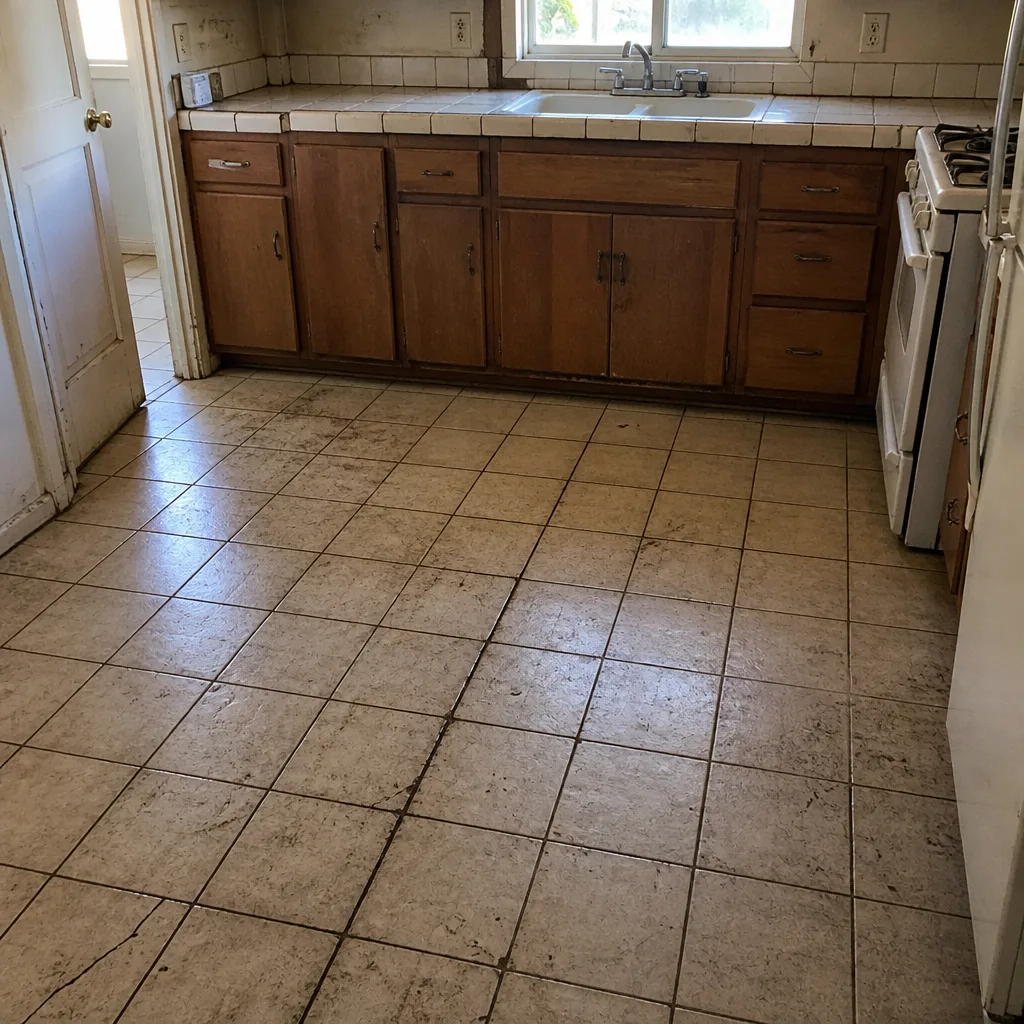 Before
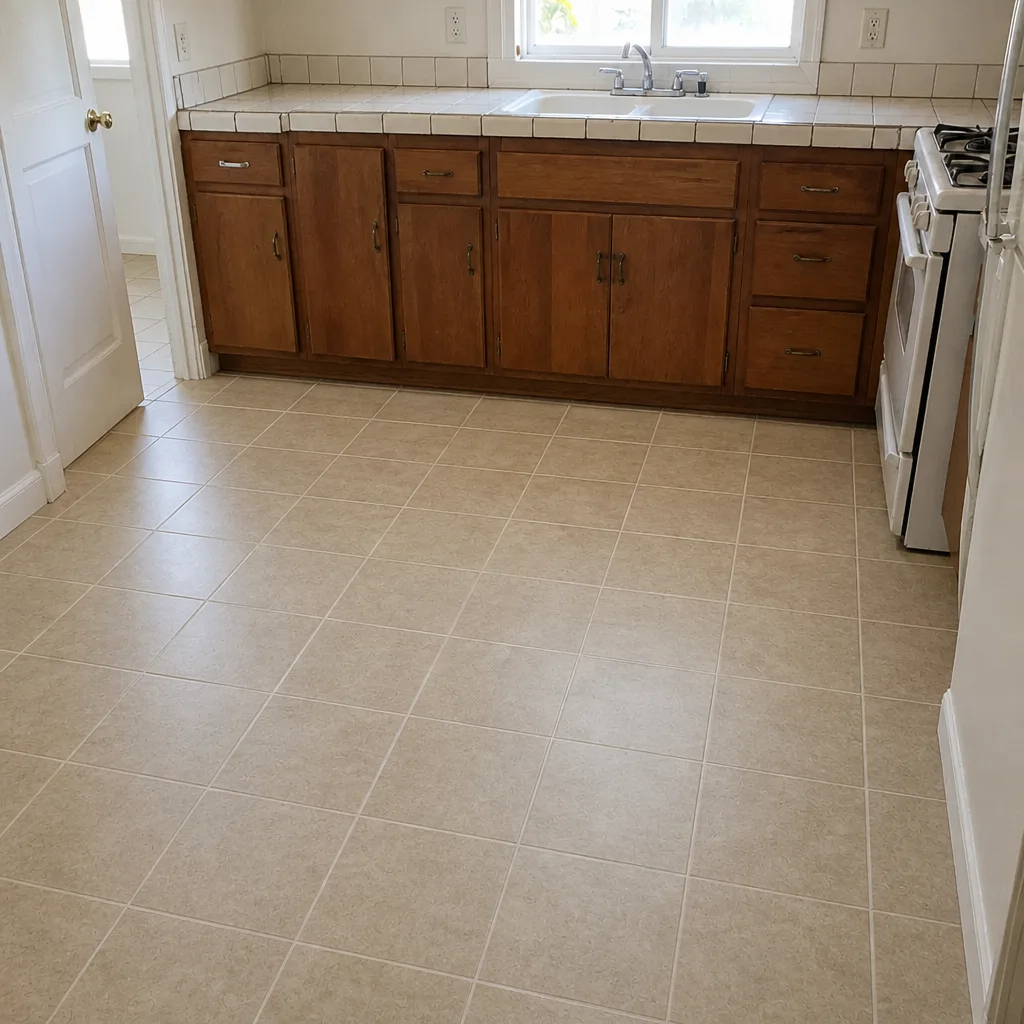 After
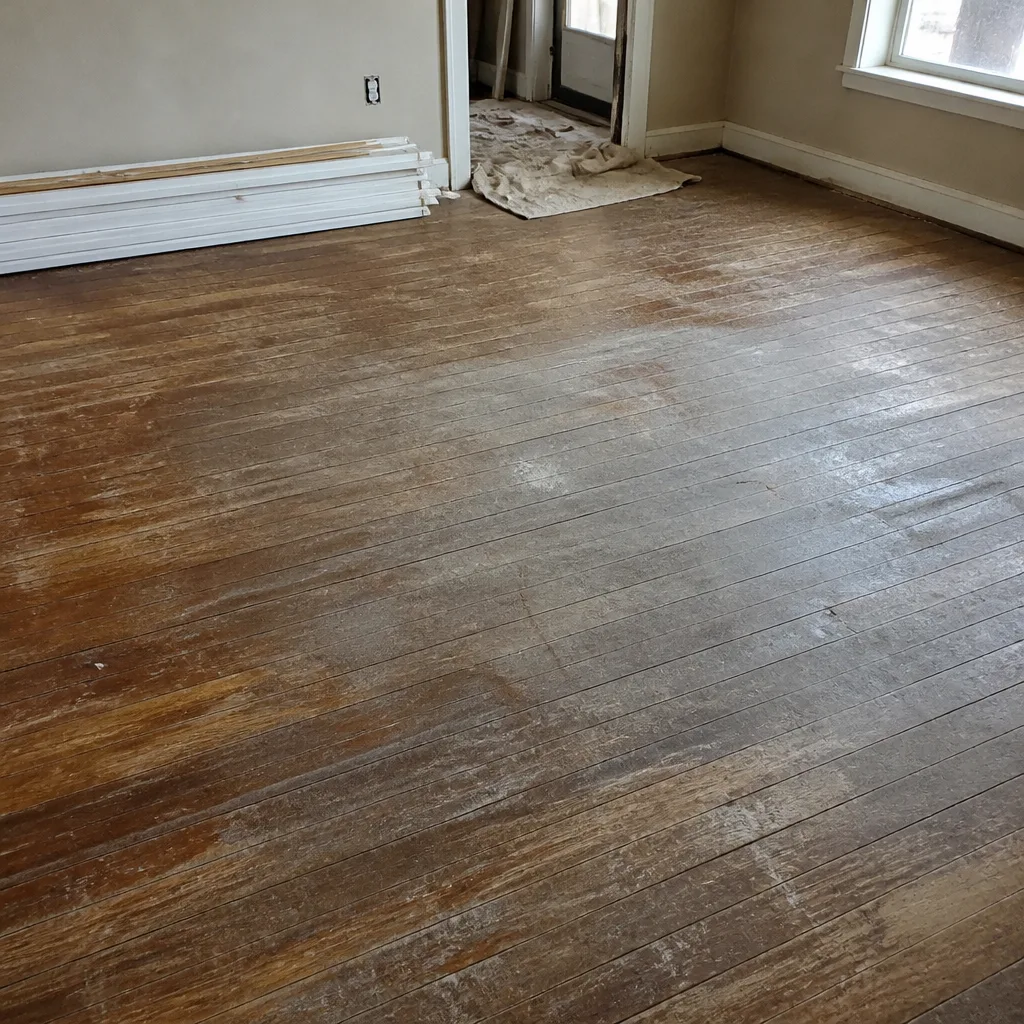 Before
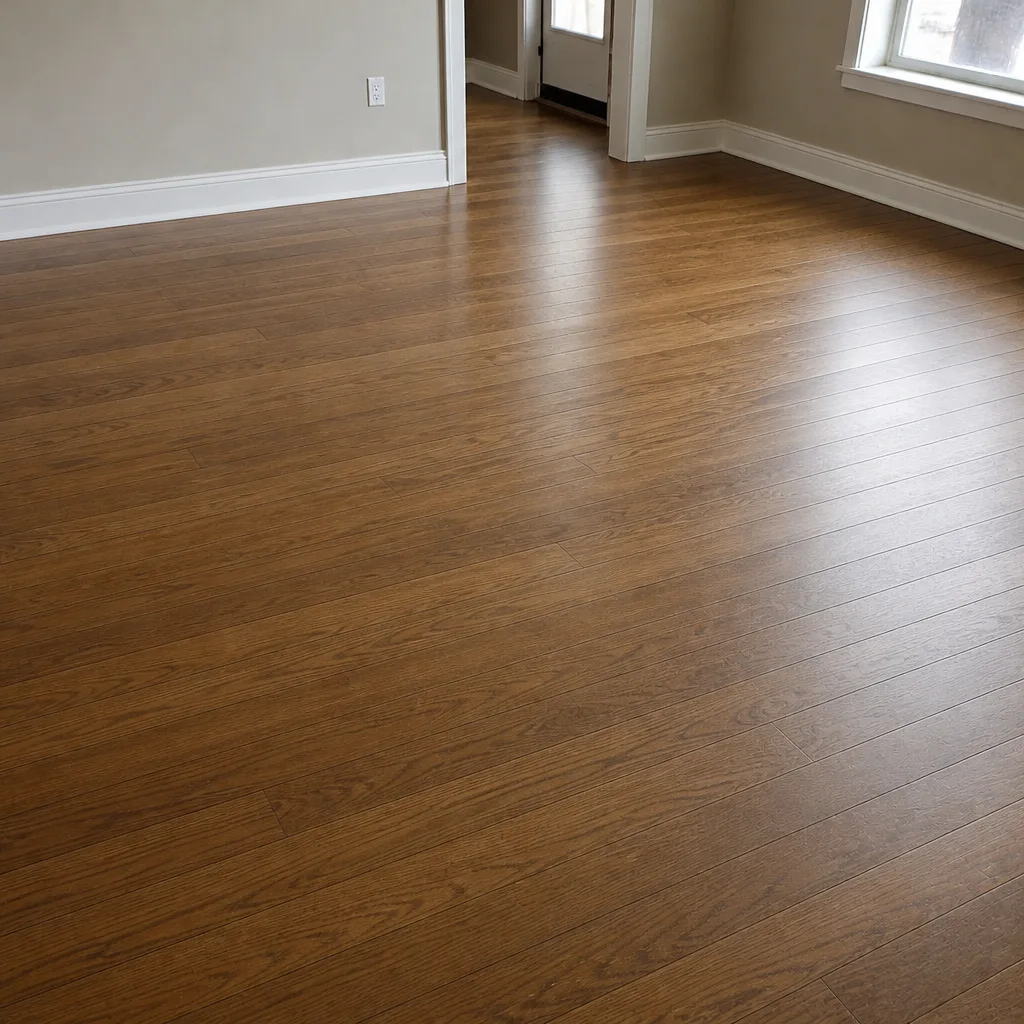 After
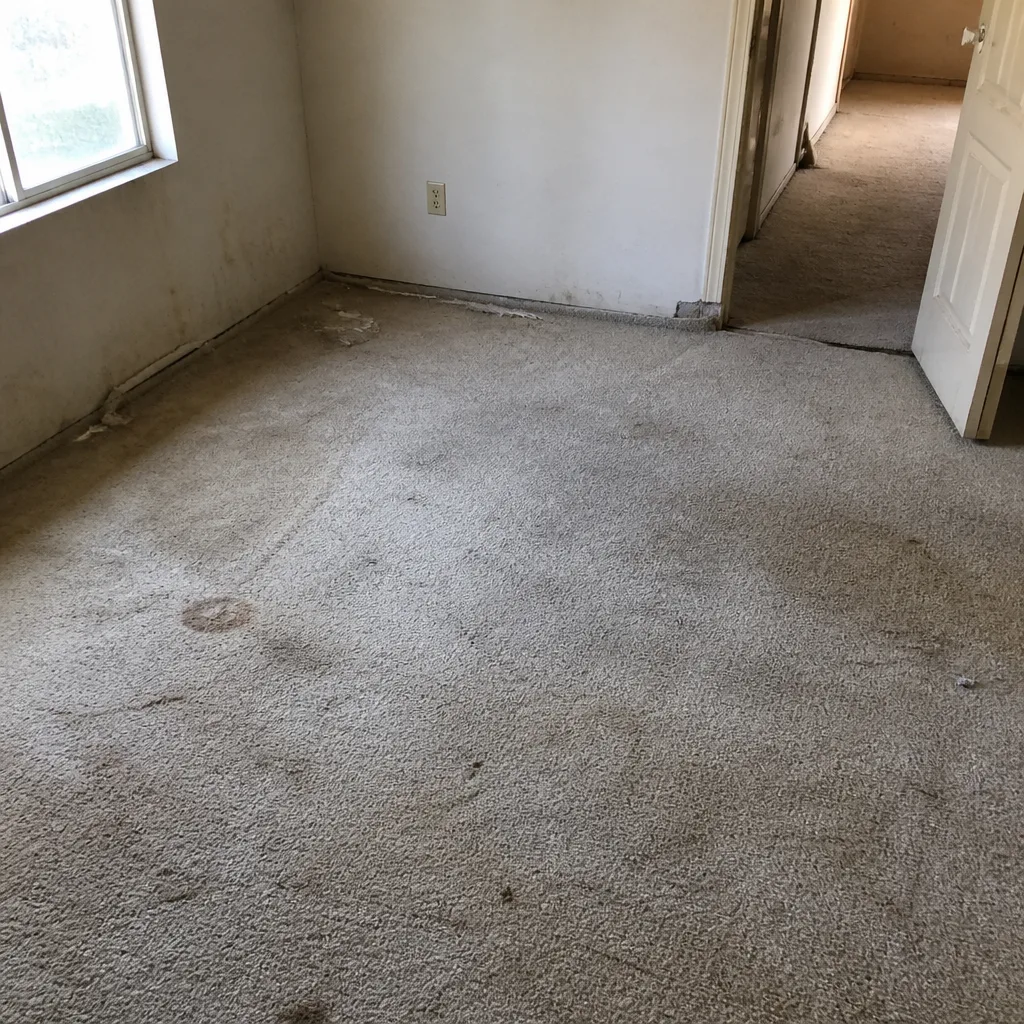 Before
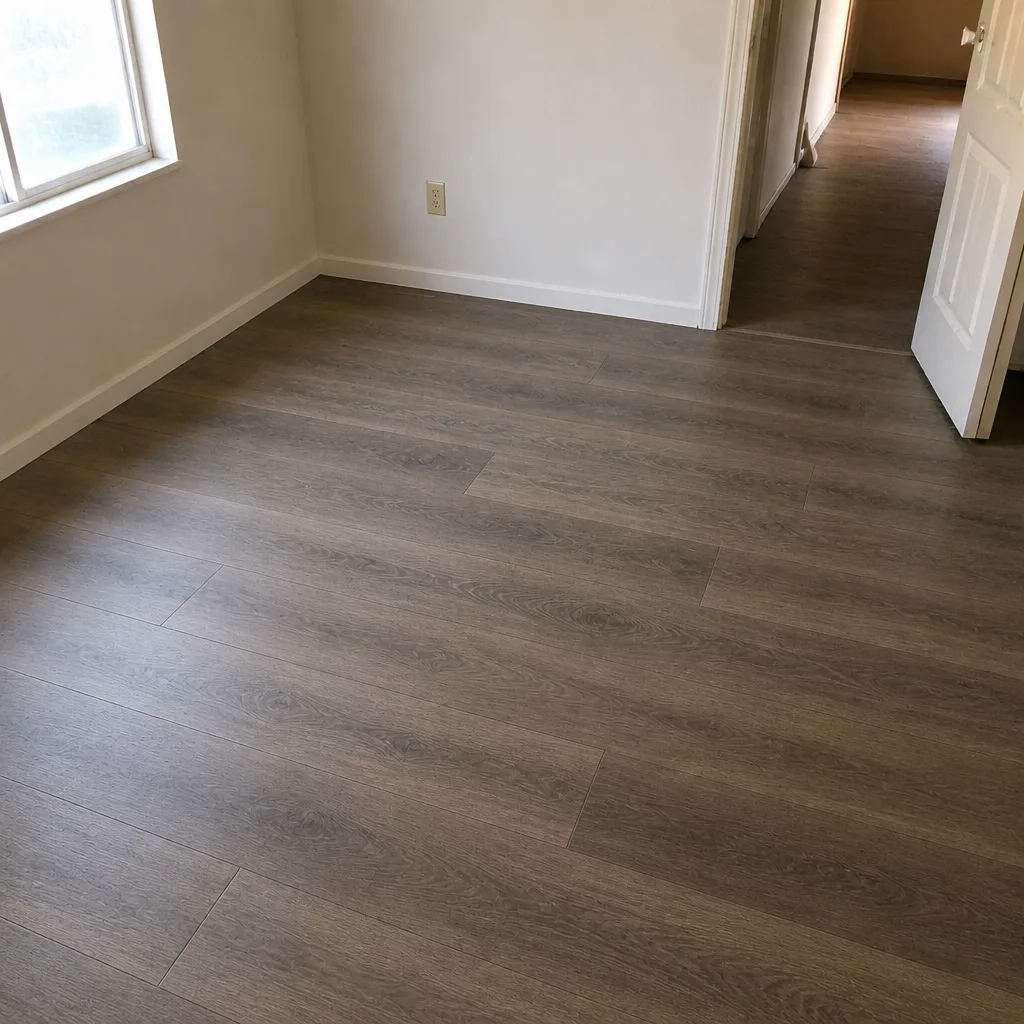 After
When to Call a Professional
Some floor decisions in Winchester really do need professional eyes on the subfloor before a material gets picked. If the existing floor has cupped, gapped by more than a quarter inch, or lifted at the seams, that’s a sign the subfloor or the climate control in the home needs evaluation before a new floor goes down. If you’re buying a home and considering replacing a floor before move-in, an on-site estimate visit will tell you whether the current wood can be refinished (usually cheaper and faster) or needs replacement. And if the floor in question is over a slab with any history of moisture, or in a room that gets wide sun exposure through large windows, professional evaluation is worth the call. Flooring Installation Winchester offers free estimates in Winchester. Call (833) 954-5991. We answer 24/7. Fast dispatch from 7am to 7pm, Sunday through Friday.
Frequently Asked Questions
Tile and luxury vinyl plank are the most stable flooring choices in Winchester’s low-humidity, high-temperature-swing climate, because neither absorbs moisture from the air. Engineered hardwood with a plywood core is a good option for rooms where you want real wood. Solid hardwood is the material most likely to gap and cup here.
You can, but it’s a higher-risk choice than in a humid climate. Solid hardwood will expand and contract with the seasonal humidity cycle, which in Winchester means winter gapping approaching a quarter inch. Engineered hardwood with a plywood core is the more stable wood option. If you want solid wood anyway, managing interior humidity above 35% in winter helps.
LVP is water-resistant, not waterproof. Spills, pet accidents and wet towels are fine on a quality LVP like COREtec or LifeProof. Standing water and moisture coming up from a wet slab still have to be addressed before installation, and once down, spills should be wiped up rather than left to sit.
It depends on the thickness of the wood and the condition of the boards. A floor with enough surface thickness, no cupping and no water damage can typically be refinished. A floor that has cupped, delaminated or has insufficient wear layer needs replacement. Only an on-site estimate answer will tell you which case you’re in. Call (833) 954-5991 for a free estimate.
Keep indoor humidity above roughly 35% in winter, most effectively with a whole-home humidifier on the HVAC system. A cheap hygrometer placed in the main living room tells you what your floor is experiencing. Room humidifiers help single rooms but not a whole floor.
The schedule depends on the material, the room count, and the subfloor. Carpet installations and LVP jobs are usually shorter than tile or hardwood refinishing. The written estimate sets the specific timeline after an on-site measure. Call (833) 954-5991 to schedule your free estimate.
The Bottom Line
Winchester’s climate doesn’t have to rule out any material, but it should reorder your shortlist. Tile and luxury vinyl plank are the most dimensionally stable choices for the region, and they’re what we’d recommend for kitchens, bathrooms and high-traffic living areas. Engineered hardwood with a plywood core is the right way to bring real wood into a Winchester home. Solid hardwood and cheap laminate push against the humidity cycle and will show it. Whatever you pick, keep interior humidity above 35% in winter and ask about expansion gaps and grout joint sizing before installation starts. If we can help you narrow the field, we’re happy to. Call (833) 954-5991 to schedule your free estimate.
Written by the team at Flooring Installation Winchester.