
Last updated November 18, 2026
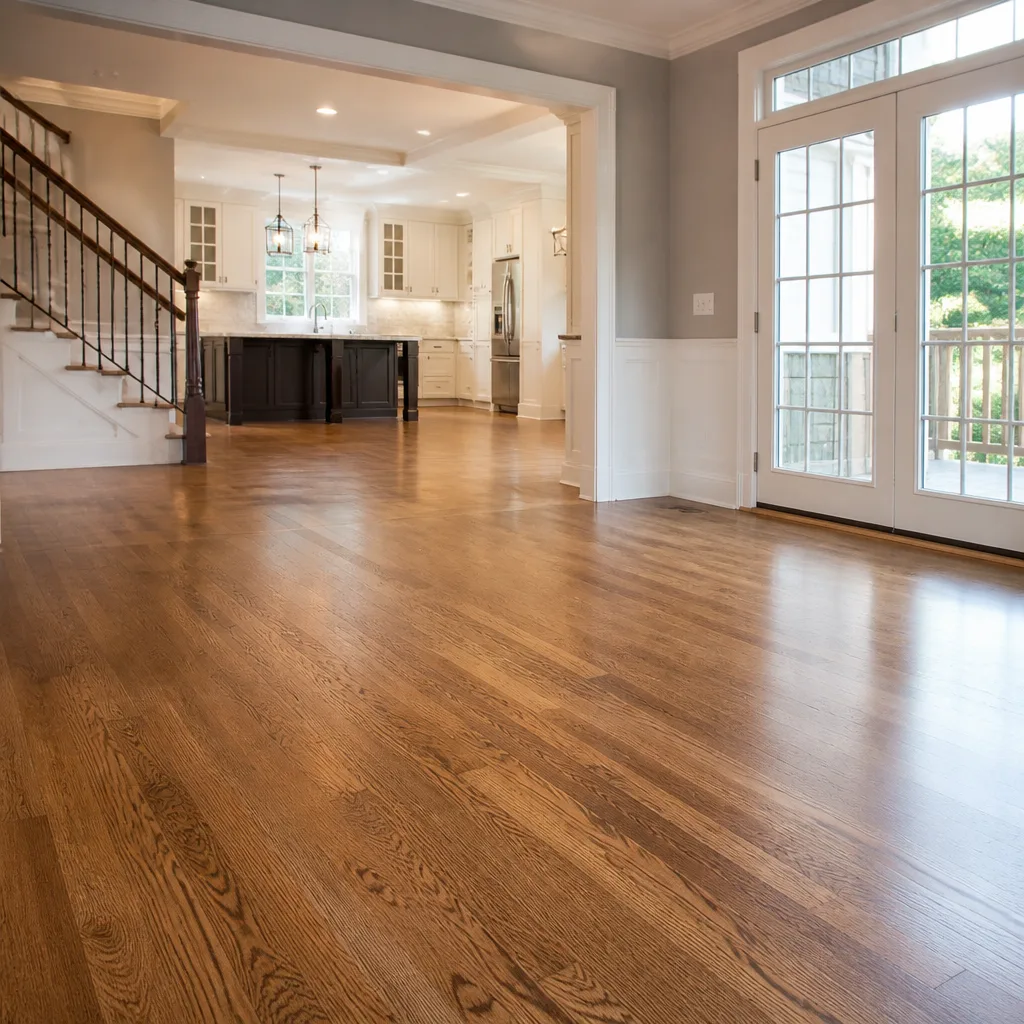 Hardwood
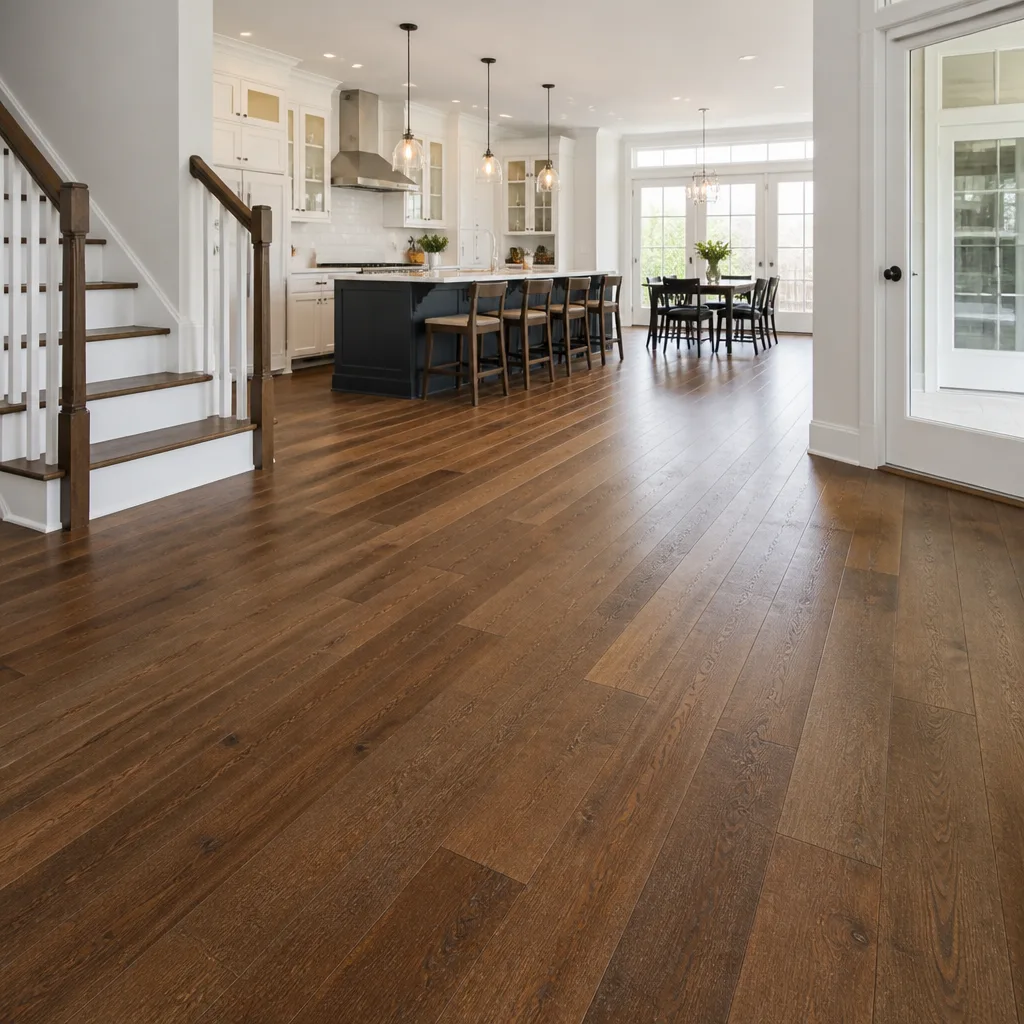 Engineered hardwood
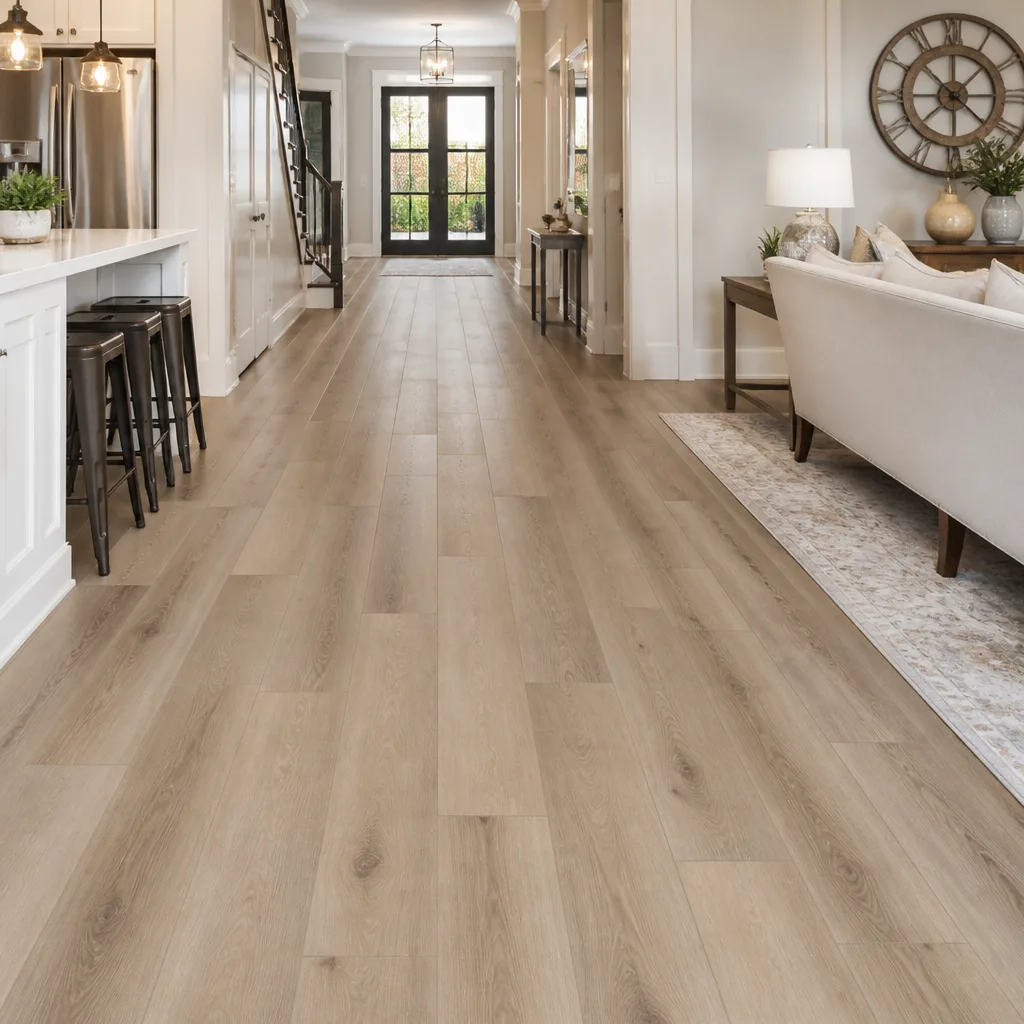 Luxury vinyl plank
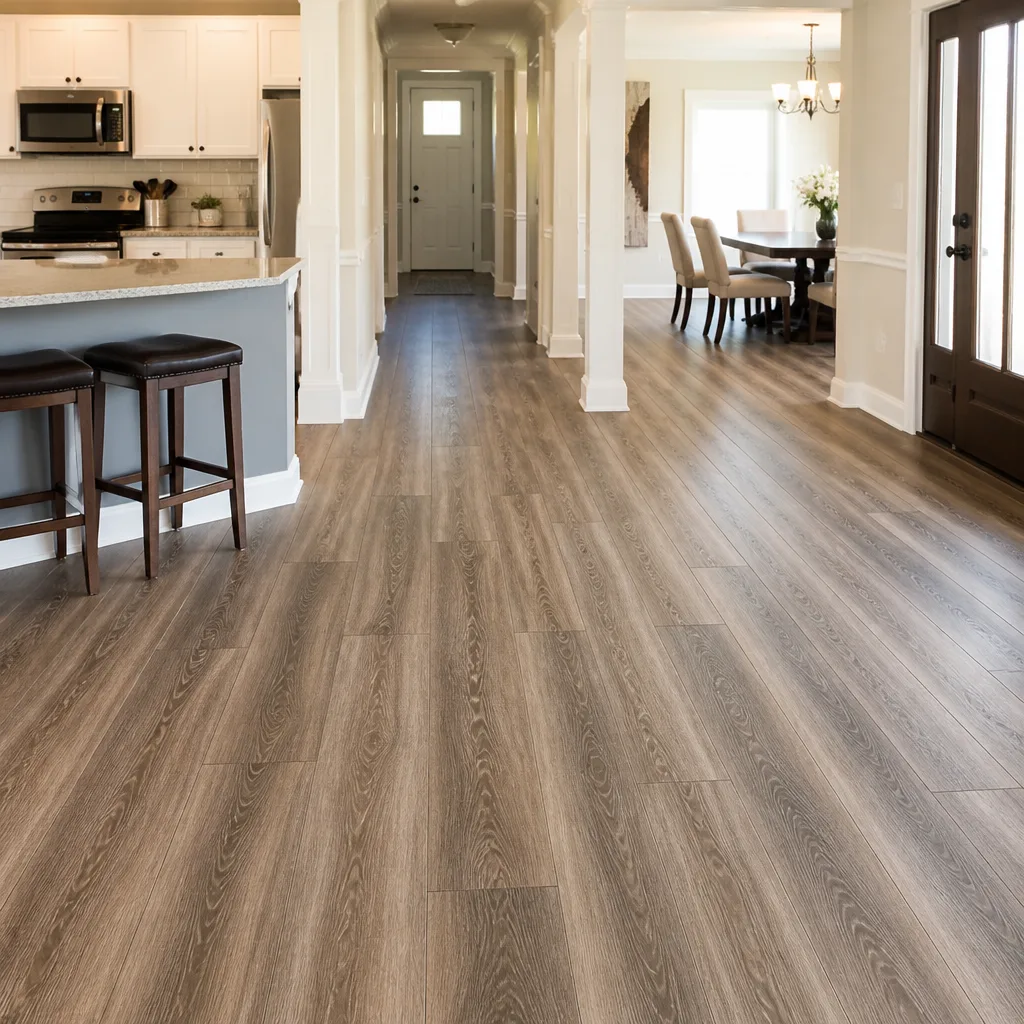 Laminate
 Porcelain tile
 Carpet
 Shaw
 Mohawk
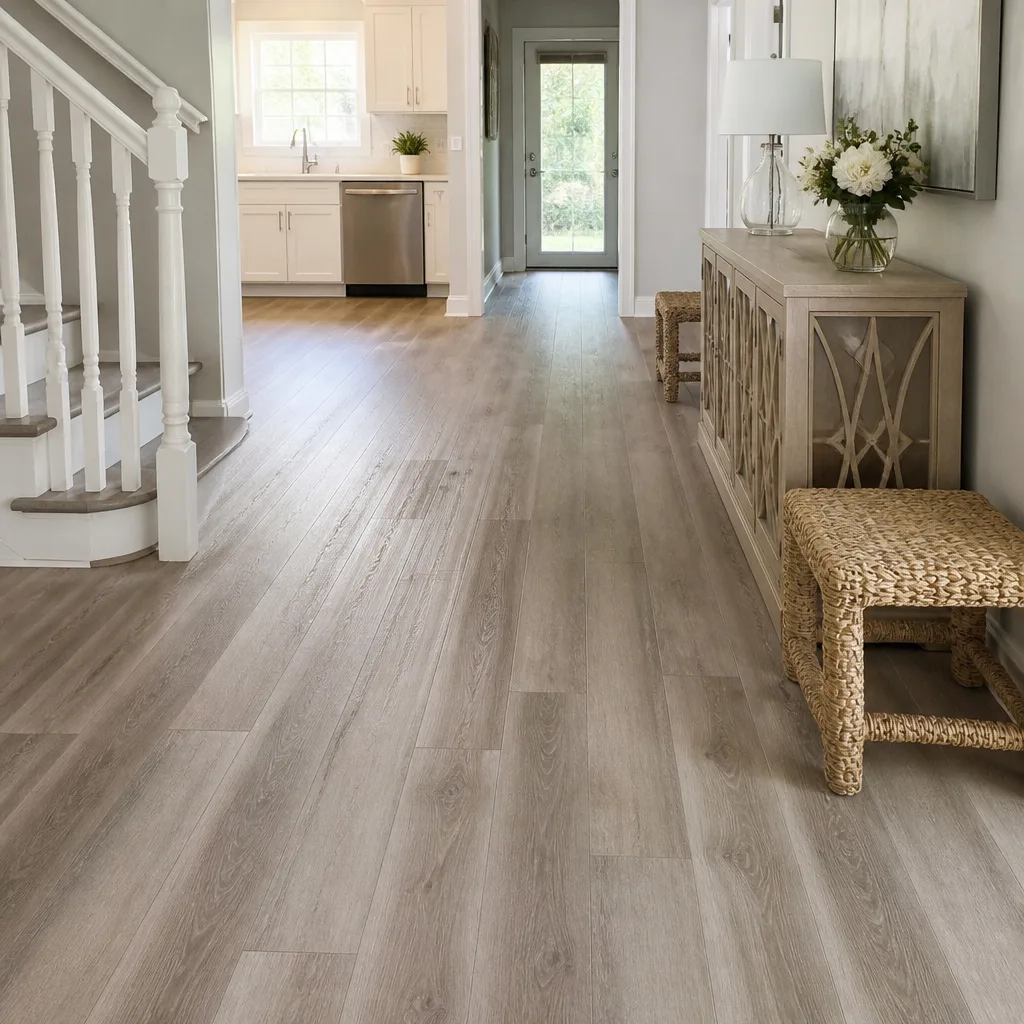 COREtec
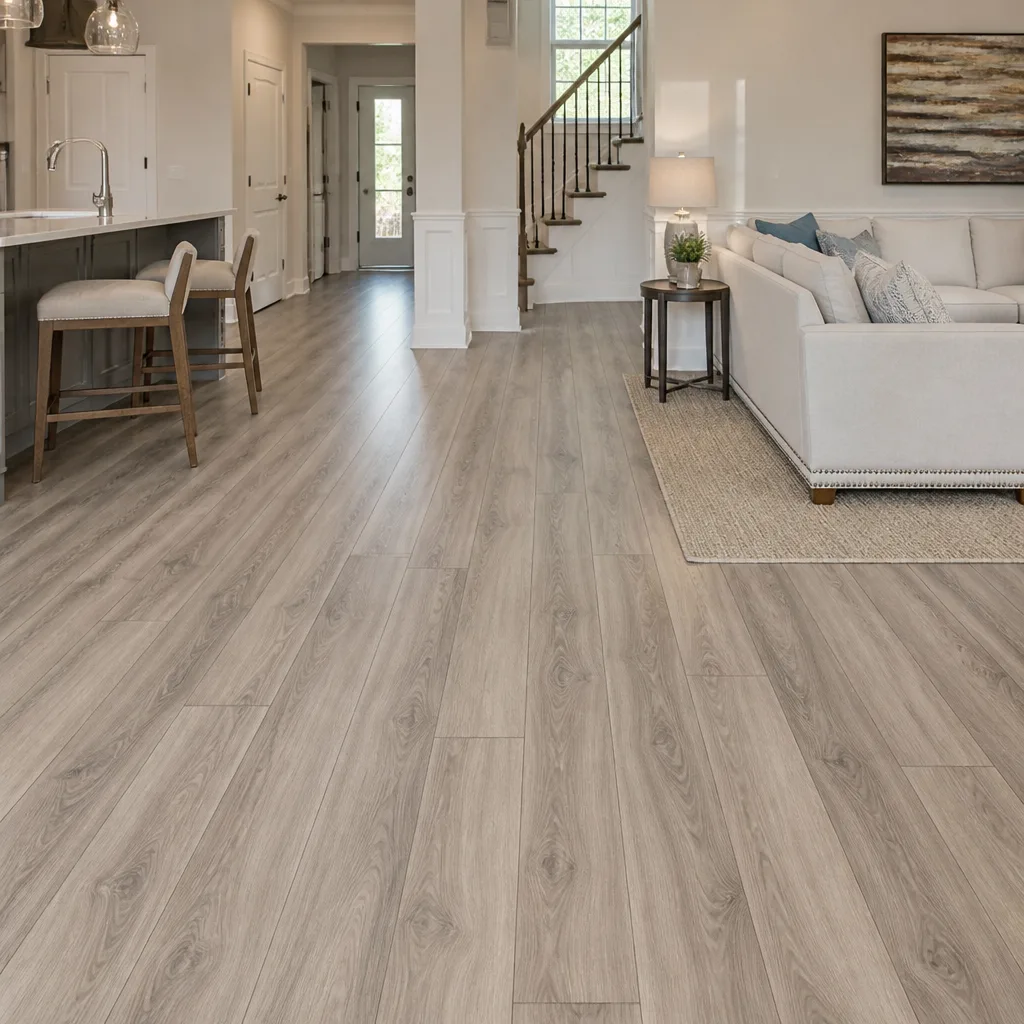 Pergo
Free in-home measure and written estimate: Shaw, Mohawk, COREtec and Pergo lines compared on your own rooms, with carpet, tile, vinyl plank, laminate and hardwood laid out side by side
Get your free estimateFlooring Cost Breakdown: The Winchester Homeowner’s Reference for 2026
Most flooring calculators are built for a national audience, and that’s exactly why they mislead people here. A homeowner who budgets $4 per square foot for vinyl plank after reading one of those guides can end up closer to $7.50 once subfloor leveling, transition strips, and furniture moving are added – none of which the calculator mentioned. Nevada labor rates run differently from the national average, older Northern Nevada homes bring subfloor surprises more often than new construction does, and the gap between builder-grade and performance-grade material is wider than most people expect.
This reference breaks down 2026 flooring costs in Winchester line by line: material, labor, prep, and disposal, for every major category. By the end, you’ll know what a fair quote looks like and what questions to ask before you sign one.
Quick Answer
In Winchester, most residential flooring projects in 2026 land somewhere between $4 and $7 per square foot installed for carpet and laminate, roughly $5 to $9 per square foot for luxury vinyl plank, around $8 to $14 per square foot for tile, and about $9 to $14 per square foot for engineered or solid hardwood before any subfloor work. Hardwood refinishing is priced separately, usually by the square foot of floor area rather than by material. The single biggest variable is prep: subfloor leveling, old floor removal, and disposal can add meaningfully to the number, and they’re the line items national calculators almost always skip.
Styles & brands we work with
- Hardwood
- Engineered hardwood
- Luxury vinyl plank
- Laminate
- Porcelain tile
- Carpet
- Shaw
- Mohawk
- COREtec
- Pergo
Table of Contents
- Why Online Flooring Calculators Miss the Mark in Winchester
- Flooring Cost by Material: Material vs. Labor, Broken Out
- What Subfloor Remediation Actually Costs in Winchester
- The Hidden Line Items: Moving, Removal, Disposal, and Trim
- Why the Cheapest Installed Price Often Costs More Later
- How to Read a Flooring Quote Line by Line
- Refinish Before You Replace: The Hardwood Question
- Common Mistakes to Avoid
Why Online Flooring Calculators Miss the Mark in Winchester
National cost calculators answer a national question: what does flooring cost across the whole country? Winchester is a specific market, and three things about it push real project numbers away from the average.
The first is labor. Nevada labor rates don’t track the same as markets in the Midwest or Deep South, and installation labor is a large share of any flooring bill. The second is housing stock. Homes built before 2000 in the Winchester area frequently turn up with subfloor issues that newer builds don’t: settled areas, old adhesive residue, uneven plywood, or a previous floor laid over something that should have come out first. The third is the material spread. A builder-grade plank and a performance-grade plank can look similar in a photo and behave very differently over a decade of use, and the installed price reflects that gap.
There’s also a climate layer. Northern Nevada swings between dry heat and cold nights, and indoor humidity moves with it. That swing matters for how a floor is specified and how solid hardwood in particular is handled during installation. It doesn’t change the price of the material, but it changes how much prep and acclimation planning a job needs, and prep is where budgets move.
None of this means national calculators are useless. They’re a starting point. They just aren’t a quote. For an accurate number, you need someone to walk the floor, check the subfloor, and price the prep alongside the material.
Flooring Cost by Material: Material vs. Labor, Broken Out
Here’s the breakdown most quotes bury in a single lump sum. Material and labor scale differently across categories, and knowing which is which helps you spot a quote that’s padded on one side.
| Flooring type | Material (per sq ft) | Labor (per sq ft) | Typical installed range (per sq ft) |
|---|---|---|---|
| Carpet | $2 – $4 | $1.50 – $3 | $4 – $7 |
| Luxury vinyl plank (LVP) | $3 – $5.50 | $2 – $4 | $5 – $9 |
| Laminate | $2.50 – $4.50 | $2 – $3.50 | $4.50 – $8 |
| Engineered hardwood | $5 – $9 | $3 – $5 | $8 – $14 |
| Solid hardwood | $6 – $10 | $3 – $5 | $9 – $15 |
| Tile (ceramic/porcelain) | $3 – $7 | $5 – $9 | $8 – $14 |
These are typical estimated ranges, not a quote. The written estimate sets the final price, and it should show both columns.
Carpet
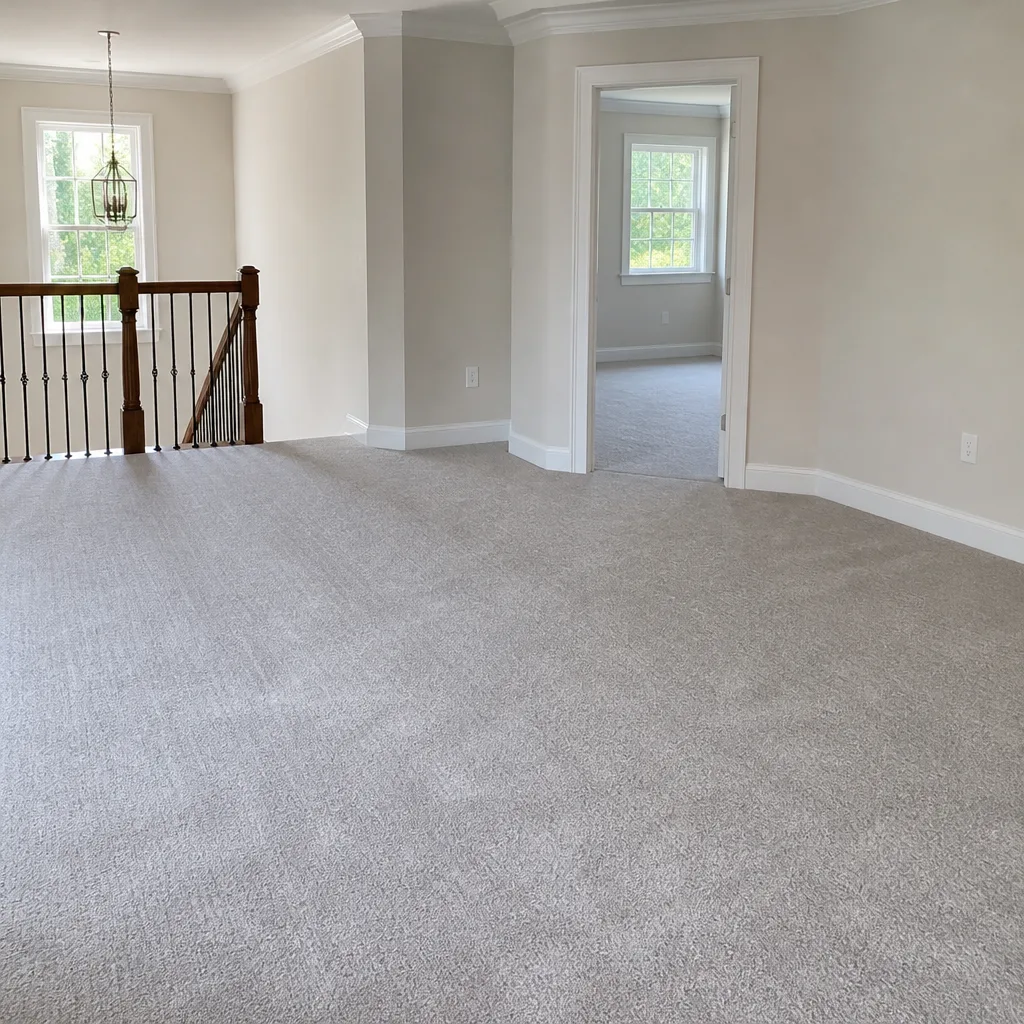
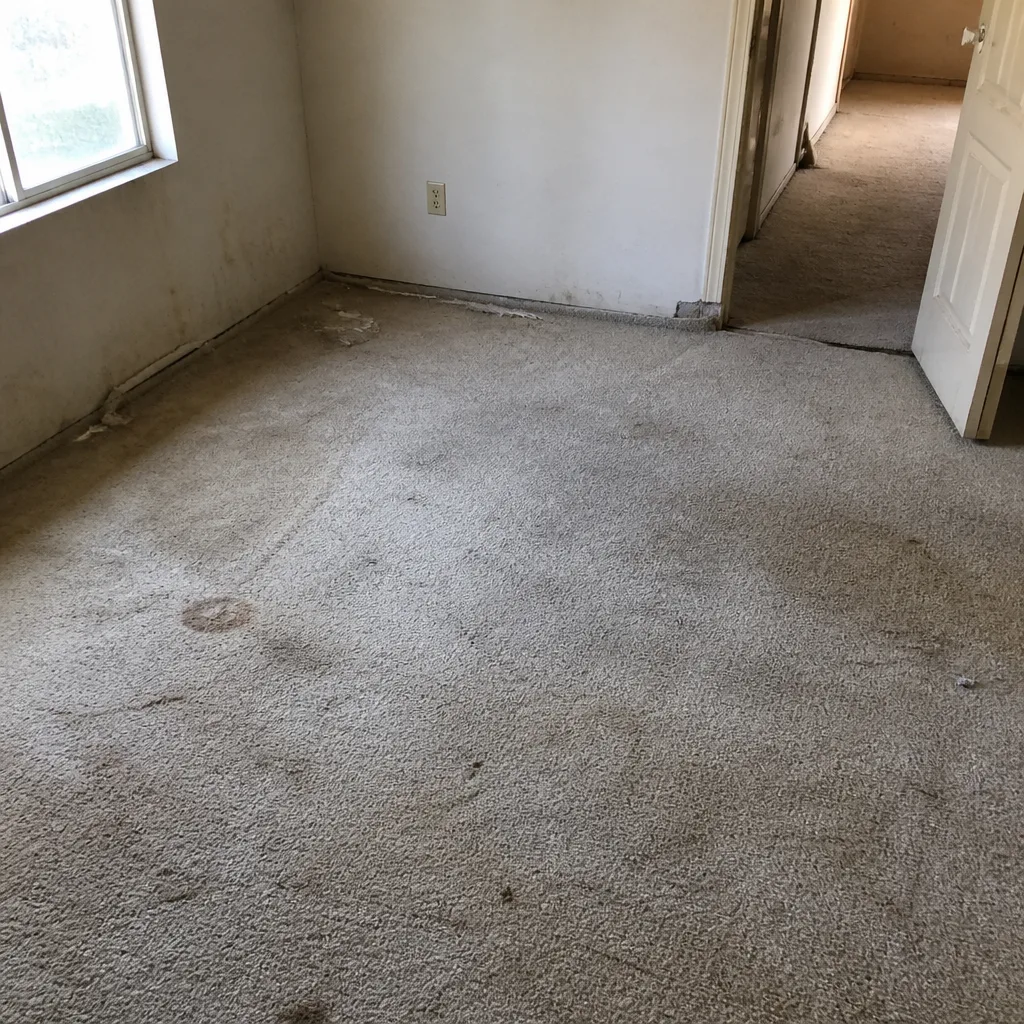
Carpet is the category where material choice swings the widest. A basic poly cut pile and a dense, higher-pile nylon from a brand like Shaw or Mohawk sit at opposite ends of the material column, and labor barely moves between them. Pile height and density drive both the price and how well the carpet holds up on a staircase or a busy hallway. Padding is a separate line item, and carpet installation labor is usually priced by the square yard rather than the square foot.
Luxury Vinyl Plank
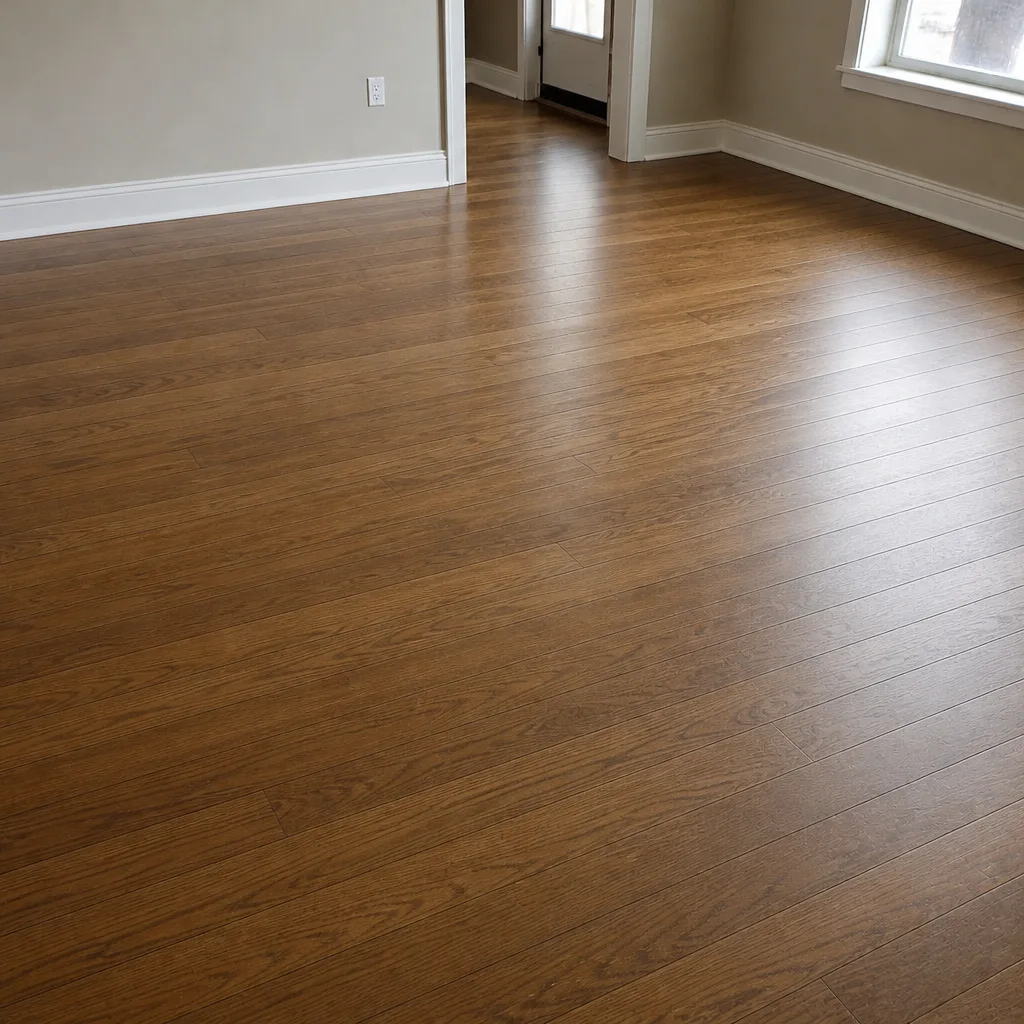
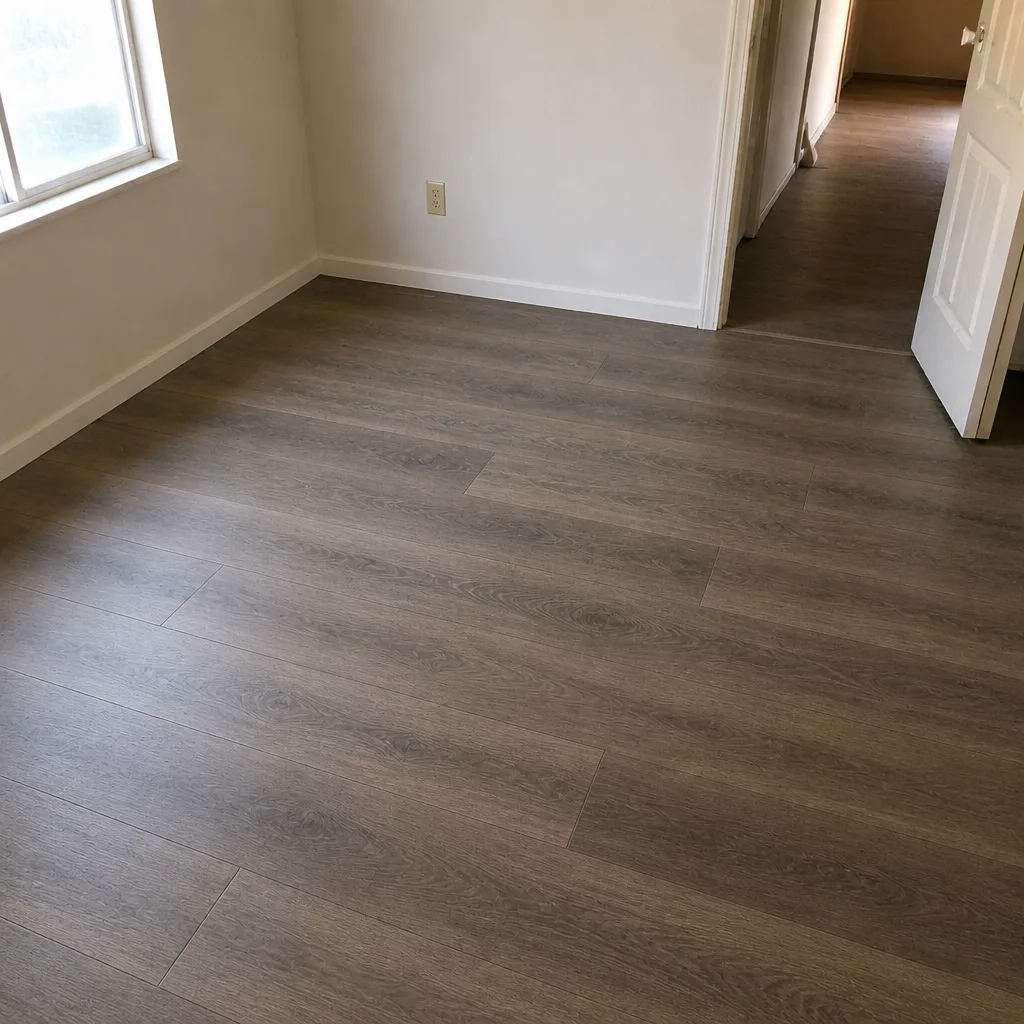
LVP is the category Winchester homeowners ask about most, and it’s the one where grading matters. COREtec and Pergo planks at the entry level and the performance level share a look but not a wear layer. Labor for LVP runs the higher end of the range when the subfloor needs flattening or the room has a lot of transitions. LVP is water-resistant, not waterproof – standing water and moisture coming from below still have to be dealt with, and no plank solves a wet crawlspace.
Engineered and Solid Hardwood
Hardwood carries the highest material cost because you’re paying for real wood. Engineered planks have a stable core under a wood veneer and handle humidity swings more predictably. Solid hardwood is thick, traditional, and – if the wear layer is thick enough – refinishable later. Whether a particular floor can be refinished depends on the thickness of the wood and its condition, which is checked at the estimate visit, not assumed.
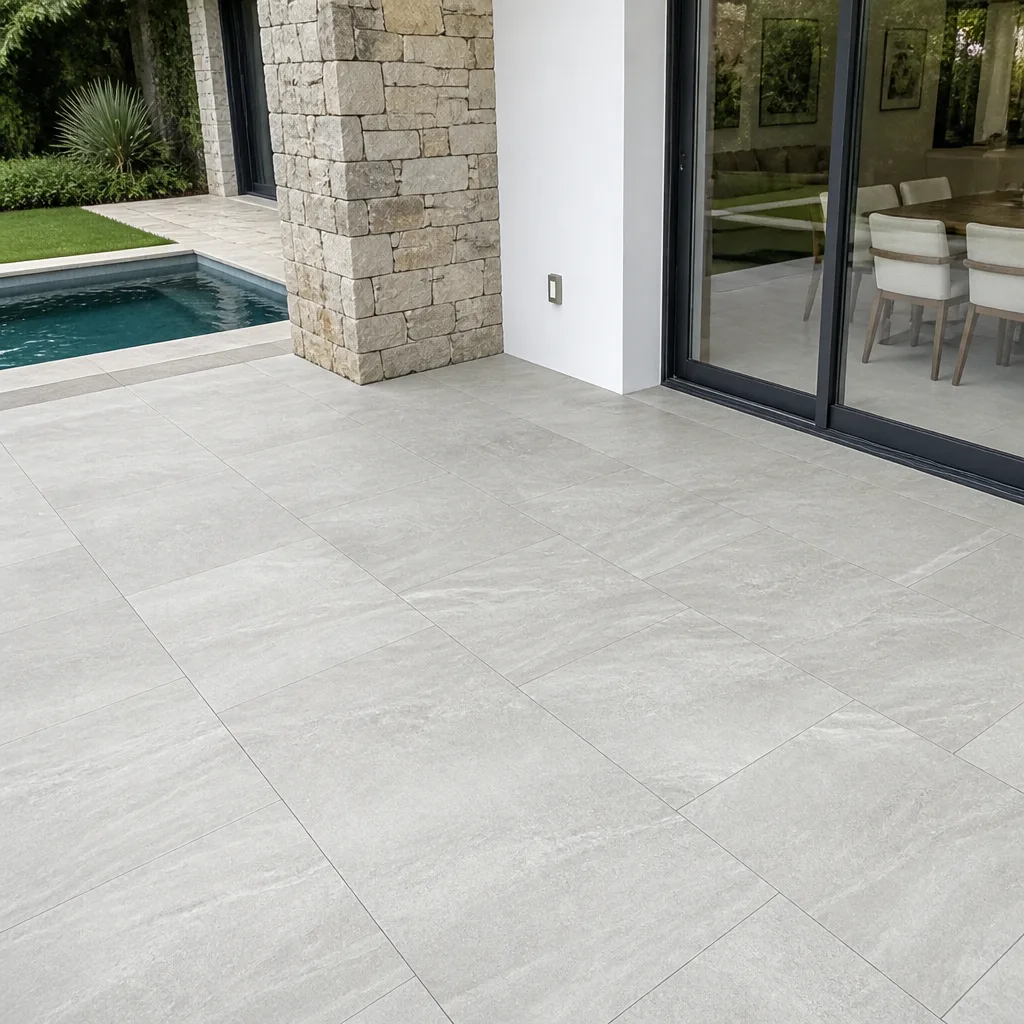
Tile
Tile labor is the highest per square foot of any category because it’s slow, detailed work: backer board, thin-set, grout lines, and careful layout. Material cost varies enormously with the tile itself. Large-format porcelain and natural stone cost more than standard ceramic, and stone also brings more layout planning. Grout line width and pattern complexity both push labor up.
For a closer look at any single category, the team behind flooring installation Winchester can walk you through the options in person.
What Subfloor Remediation Actually Costs in Winchester
Subfloor work is the line item that separates a real quote from a calculator. Here’s how it typically breaks down.
- Minor leveling (self-leveler over small dips): roughly $1 to $2.50 per square foot
- Plywood patching or overlay: roughly $2 to $4 per square foot
- Full subfloor panel replacement in a room: roughly $3 to $6 per square foot, plus material
- Moisture barrier or underlayment (vinyl, laminate): roughly $0.50 to $1.50 per square foot
- Concrete slab prep (grinding, crack fill): roughly $2 to $5 per square foot
These are typical Winchester estimates, and the written estimate sets the final figure after the floor is inspected.
How often is it needed? More often than homeowners expect in homes built before 2000. Older construction in Northern Nevada often has plywood that has aged unevenly, and some homes have a previous floor – vinyl, tile, or carpet – that was laid over the original surface and left behind adhesive residue or a height difference. Every one of those situations means prep.
Skipping prep to save money is a false economy. A plank floor over an uneven subfloor will rock, squeak, and eventually separate at the seams. A tile floor over a soft spot will crack along the grout lines. If your installer doesn’t mention subfloor inspection during the estimate, ask them to.
The Hidden Line Items: Moving, Removal, Disposal, and Trim
This is where the gap between a quote and a calculator closes fast. Here are the line items that should appear on a real estimate:
- Furniture moving. Typically $50 to $200 per room depending on what’s in it. Heavy items like pianos, safes, and large appliances are usually the homeowner’s responsibility to clear.
- Old floor removal. Roughly $1 to $3 per square foot, higher for tile and thin-set, which is slow to break out and leaves residue.
- Disposal. Roughly $75 to $300 per job, depending on volume. Carpet and padding take up more dumpster space than they look like they will.
- Transition strips. Roughly $25 to $75 each at doorways and where flooring changes between rooms.
- Stair nosing. Roughly $30 to $80 per step. Stairs almost always need separate treatment and separate pricing.
- Baseboard removal and reinstall. Roughly $2 to $4 per linear foot, or a separate line for new baseboard if the old one can’t be reused.
- Toilet pull and reset (bathroom tile). Usually a small fixed line item, but it should be there.
None of these are upsells. They’re the real scope of a job. The problem is only when they show up after the contract is signed instead of before. A fair estimate lists them upfront, even when the answer is zero because you’re moving the furniture yourself.
Why the Cheapest Installed Price Often Costs More Later
When a quote comes in far below the others, one of two things is true: something is missing from the scope, or the material has been swapped for a lower grade.
Grade mismatch is the second one. Planks sold as the same “LVP” can have very different wear layers, and the entry-level version in a high-traffic kitchen is a different product from the performance version. Carpet is the same story: a builder-grade poly and a denser, higher-pile nylon from a name brand can be priced $2 per square foot apart on material alone, and on stairs or in a hallway that difference shows up in how the floor looks after years of use, not weeks.
There’s also a warranty side to it. Installing a product outside the manufacturer’s stated conditions, or over a subfloor that hasn’t been prepped, can put the warranty at risk. The product instructions and the written estimate set the specific requirements, and they vary by product. We install and service the floor you choose – we don’t decide what a brand warrants. But we do flag when a cheaper grade doesn’t match how the room is actually used, because that conversation is cheaper than the replacement.
The honest way to compare two quotes is to compare them line by line. Same material, same grade, same prep scope. If one is lower with all of that equal, good. If it’s lower because it’s missing a step, it’s not really lower.
How to Read a Flooring Quote Line by Line
A quote you can actually compare should read like a scope of work, not a single number. Here’s what belongs on it:
- Material brand, product line, and quantity. “LVP, 420 sq ft” is not enough. The brand and grade should be named so you can compare apples to apples.
- Material cost separate from labor. Even if the total is what you care about, the split tells you whether the quote is fair.
- Prep, listed as its own line. Leveling, patching, underlayment, and moisture barriers should each appear, or a single prep line with a clear description.
- Removal and disposal. Named separately from installation.
- Trim and transitions. Baseboard, shoe molding, transition strips, stair nosing – each one priced or noted.
- Furniture moving. Stated as included, excluded, or priced.
- The written estimate as the final price. The quote should say plainly that it sets the final number.
Vague line items to push back on: “miscellaneous,” “materials and labor” with no split, “prep as needed,” and any total that arrives without a walkthrough. On a fair markup, expect the material line to reflect the brand’s pricing plus a reasonable contractor margin for ordering, delivery, and warranty handling – not a doubling. If the material line looks far above what the brand retails for, ask why.
One more thing to check: whether the installer is also the one who specified the product. When the same company names the brand and installs it, there’s no gap between the recommendation and the work. That’s the model we work from at Flooring Installation Winchester, and it’s the reason our carpet installation and tile flooring installation teams can stand behind what they spec.
Refinish Before You Replace: The Hardwood Question
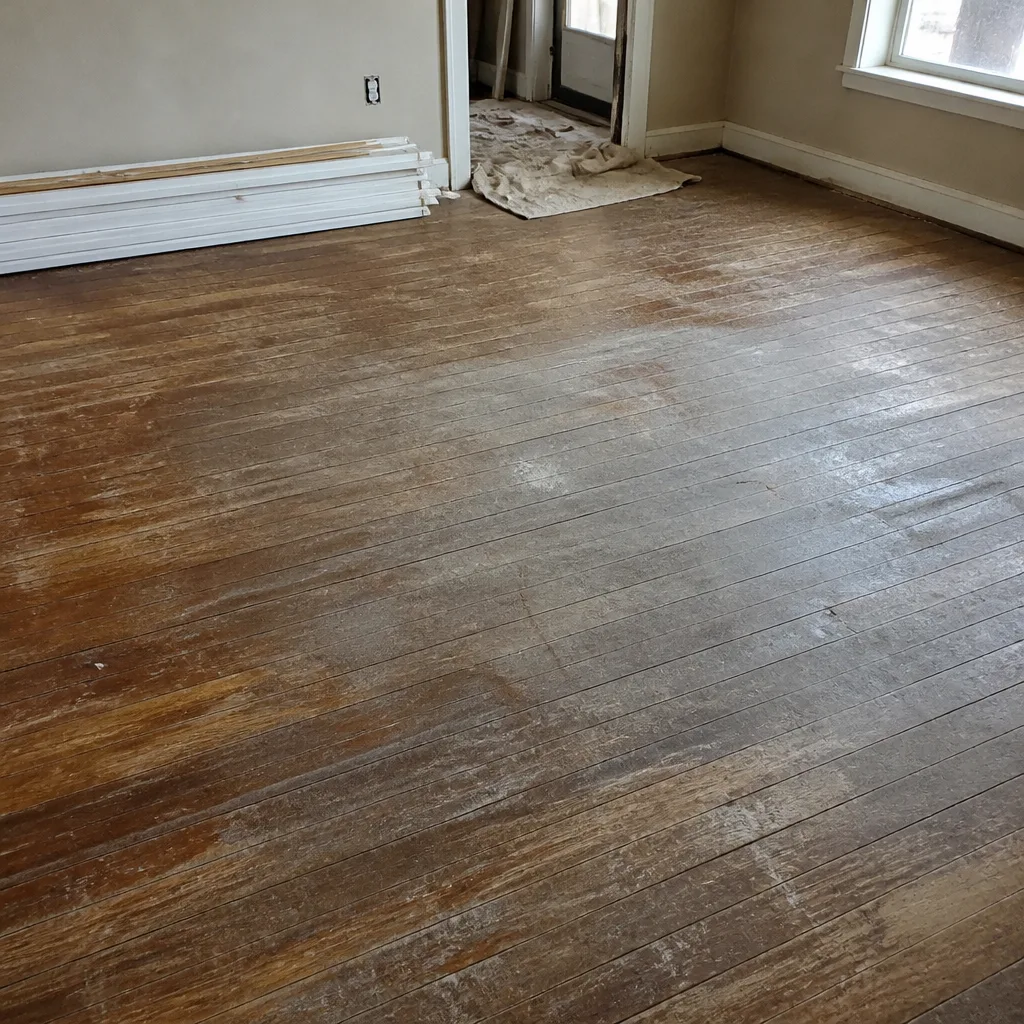
If you already have hardwood under the carpet or under the worn finish, the first question isn’t which new floor to buy. It’s whether the floor you have can be brought back.
Refinishing is usually priced by the square foot of floor area and lands well below the cost of new solid hardwood installed. It sands the existing surface back to bare wood, then stains and seals it. The catch is that not every floor can be refinished. It depends on the thickness of the wood and its condition: a floor that’s been sanded down several times over its life may not have enough left, and a floor with deep damage may need repair before sanding. That check happens at the estimate visit, not over the phone.
“Refinish before you replace” isn’t a slogan for us, it’s the first question we ask. If the answer is yes, you save money and keep the original floor. If it’s no, you’ll know why before you price the alternative. That’s an honest alternative to replacement that few flooring specialists actively promote, and it’s worth asking about on any home with existing hardwood.
Winchester homes with original hardwood often have grain patterns and widths you can’t buy new, which is another reason to look at refinishing first. For homes without hardwood, the choice usually comes down to material fit: carpet for bedrooms and stairs, LVP for kitchens and wet areas, tile for bathrooms and entries, hardwood for living spaces.
Common Mistakes to Avoid
- Budgeting from a national calculator. A national average ignores Nevada labor and local prep, so the number you plan around is usually lower than the actual quote. Get a real estimate before you set a budget.
- Skipping the subfloor conversation. In homes built before 2000 around Winchester, uneven plywood and leftover flooring are common. Ask directly whether prep is included, and what it costs if it’s needed.
- Choosing a grade that doesn’t match the room. The cheapest plank in a high-traffic kitchen is a different product from the performance-grade version, and the gap shows up in wear, not in the showroom.
- Ignoring transitions and stairs in the budget. Transition strips, stair nosing, and baseboard can add up across a whole house, and they’re easy to leave out when you’re pricing per square foot.
- Assuming LVP is waterproof. It’s water-resistant, which handles splashes and spills, but standing water and moisture from below still have to be addressed. No plank fixes a wet subfloor.
- Accepting a lump-sum quote. If the quote doesn’t separate material, labor, prep, and disposal, you can’t compare it to anything, and you can’t see what’s missing.
- Replacing hardwood without asking about refinishing. Refinishing is often cheaper than new solid hardwood and keeps the original floor. It depends on wood thickness and condition, but it’s a question worth asking first.
See the difference
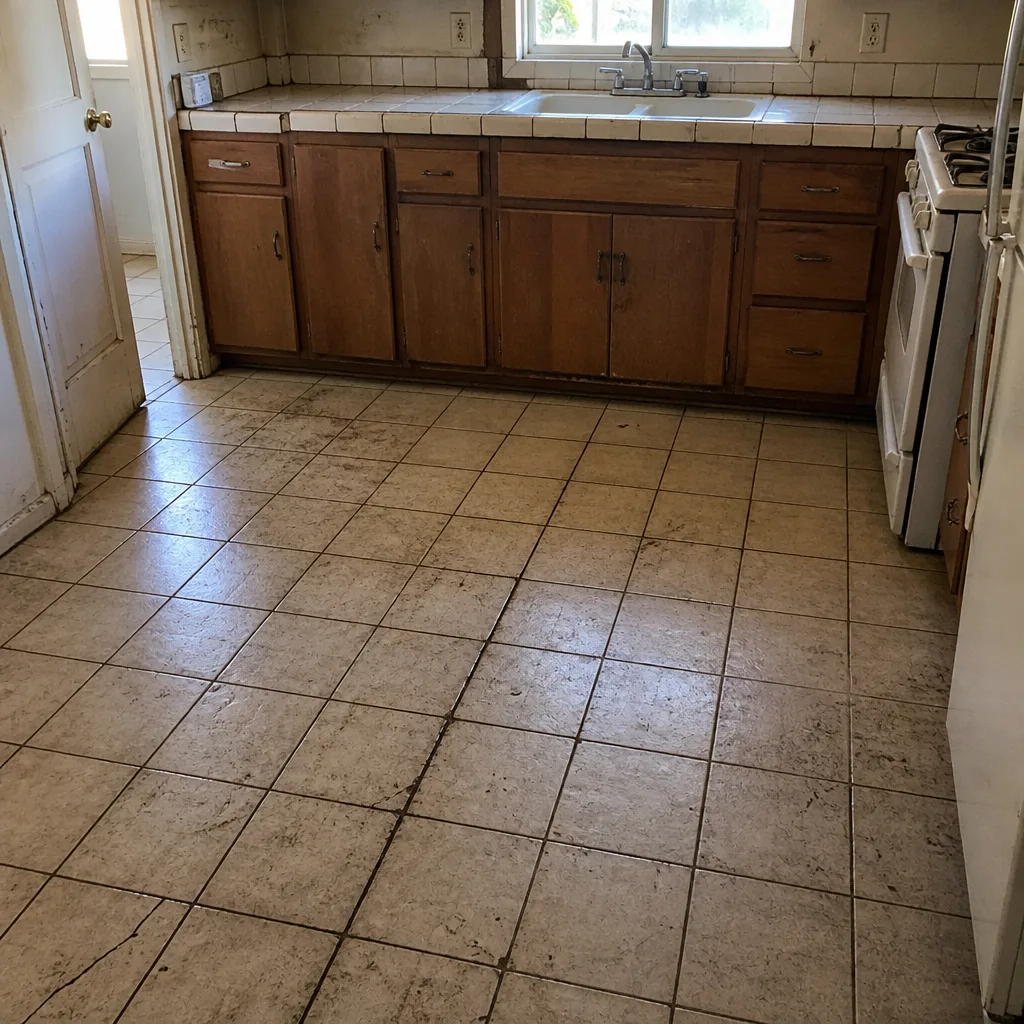 Before
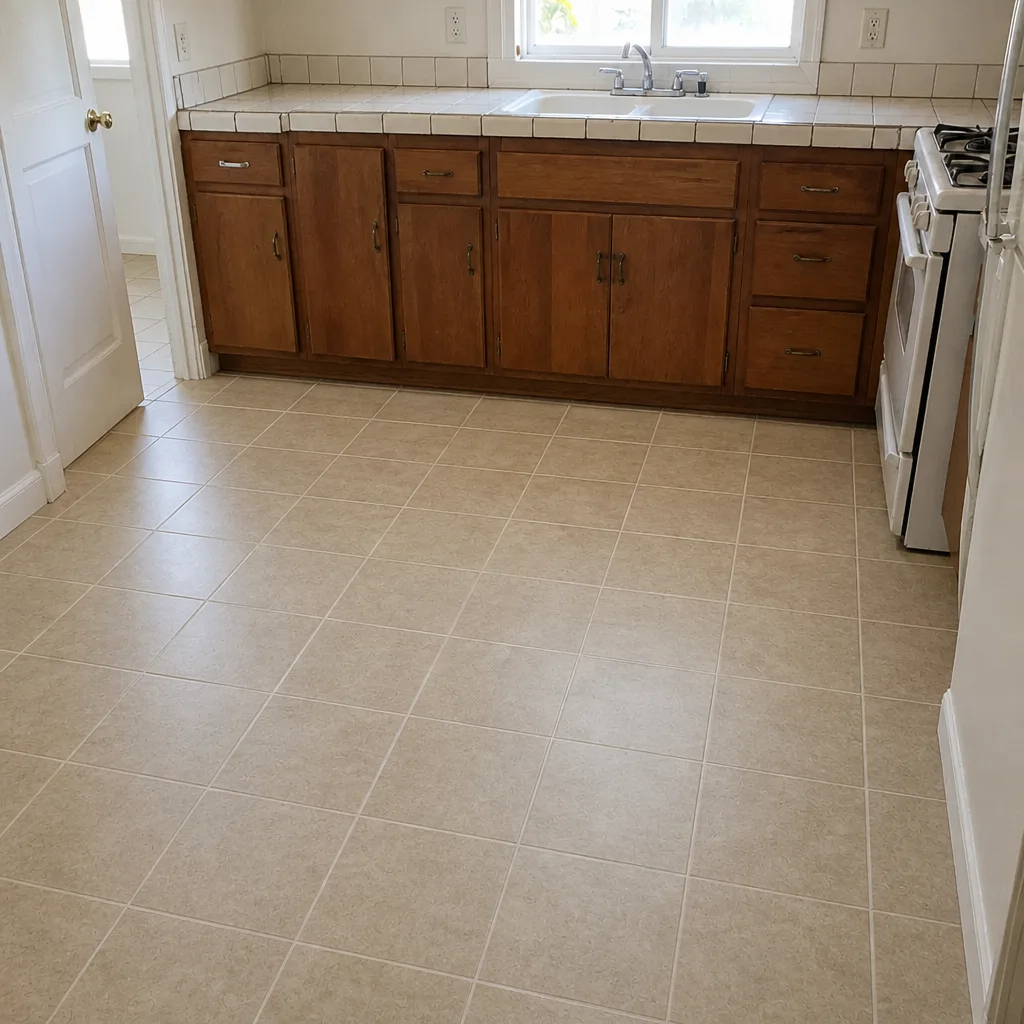 After
 Before
 After
 Before
 After
When to Call a Professional
Some flooring work is genuinely a judgment call, and a few situations are best handled by someone who installs floors for a living. If you’re choosing between materials and aren’t sure which fits a room’s traffic or moisture, a walkthrough is faster than a week of reading. If your subfloor is uneven, soft, or covered in old adhesive, have it inspected before you buy materials. If you’re dealing with tile removal, a bathroom floor around a toilet, or stairs, the detail work is where a rushed job shows first. And if you have existing hardwood and aren’t sure whether it can be refinished, that’s a five-minute answer at the estimate visit.
Flooring Installation Winchester offers free estimates in Winchester. Call (833) 954-5991 to schedule yours. We answer 24/7, and fast dispatch from 7am to 7pm runs Sunday through Friday.
Frequently Asked Questions
Most residential projects in Winchester fall between $4 and $7 per square foot installed for carpet and laminate, $5 to $9 for luxury vinyl plank, $8 to $14 for tile, and $9 to $15 for hardwood, before subfloor work. Those are typical estimated ranges; the written estimate sets the final price. Call (833) 954-5991 for an exact quote – estimates are free.
Calculators skip prep, removal, disposal, transisitions, and trim, which are real line items on any job. Nevada labor rates also run differently from national averages. A written quote shows you exactly where the extra is going.
More often than homeowners expect in homes built before 2000, where aged plywood and previous flooring left in place are common. It’s checked during the estimate, and the cost varies with what’s found.
Sometimes. It depends on the thickness of the wood and its condition, which is checked at the estimate visit. If it can be refinished, it’s usually cheaper than new solid hardwood and keeps the original floor. Call (833) 954-5991 to schedule a free estimate.
No. LVP is water-resistant and handles spills and splashes well, but standing water and moisture from below still have to be dealt with. No plank solves a wet subfloor, and the install has to account for it.
Yes. We walk the floor, check the subfloor, and give you a written estimate at no cost. The price is set per job by that written estimate. Call (833) 954-5991 to book yours.
The Bottom Line
Flooring cost in Winchester comes down to four things: the material you choose, the labor to install it, the prep your subfloor needs, and the line items most calculators leave out. Budget from a real quote, not a national average. Ask about subfloor prep before you buy materials, especially in a home built before 2000. Compare quotes line by line so a cheaper number doesn’t turn out to be a shorter scope. And if you have hardwood, ask about refinishing before you price a replacement.
When you’re ready, call (833) 954-5991 for a free estimate. We’ll check the floor, price it in writing, and set the install schedule from there. Our technicians have up to 14 years of experience, and we install and service carpet, tile, and hardwood from nine brand partners under one roof – Shaw, Mohawk, COREtec, Pergo, LifeProof, Mannington, Armstrong, Daltile, and Karndean. If you’re getting familiar with the area first, start with Winchester.
Written by the team at Flooring Installation Winchester.