
Last updated November 18, 2026
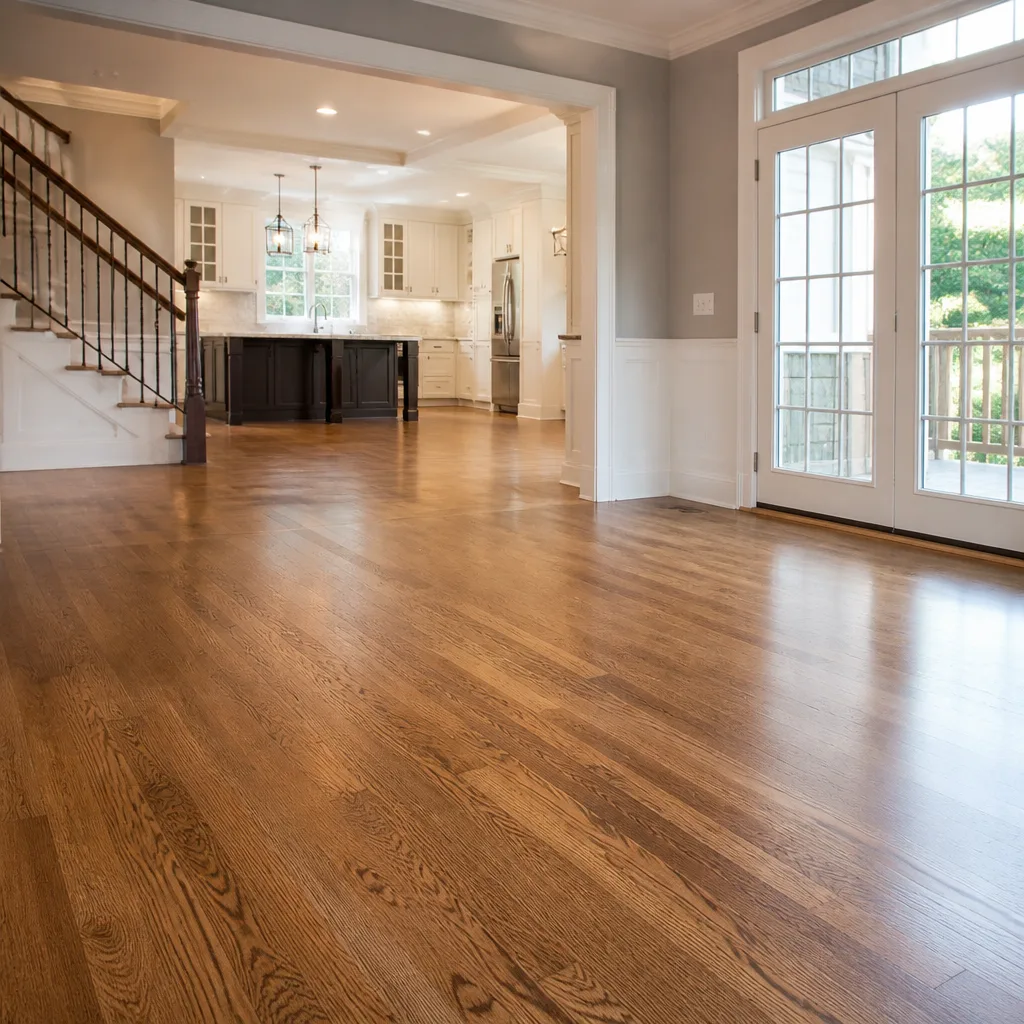 Hardwood
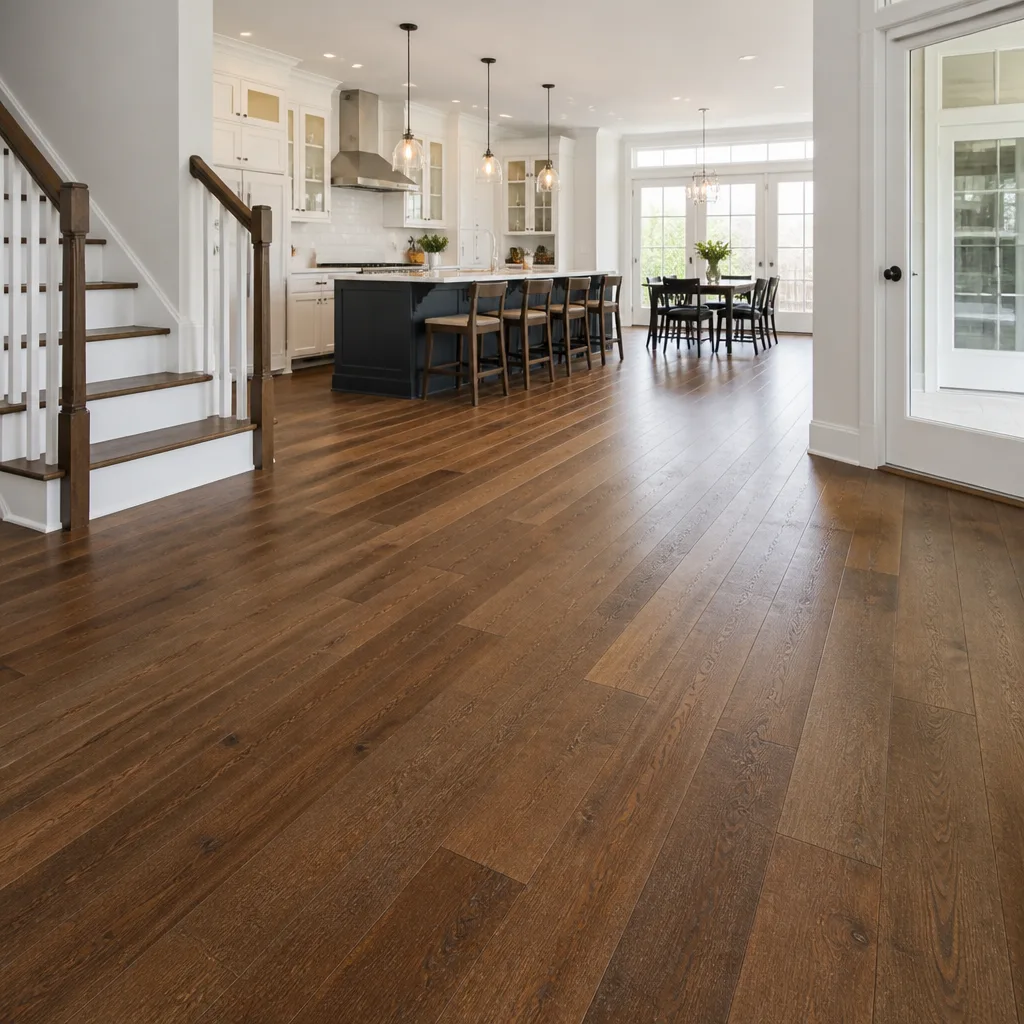 Engineered hardwood
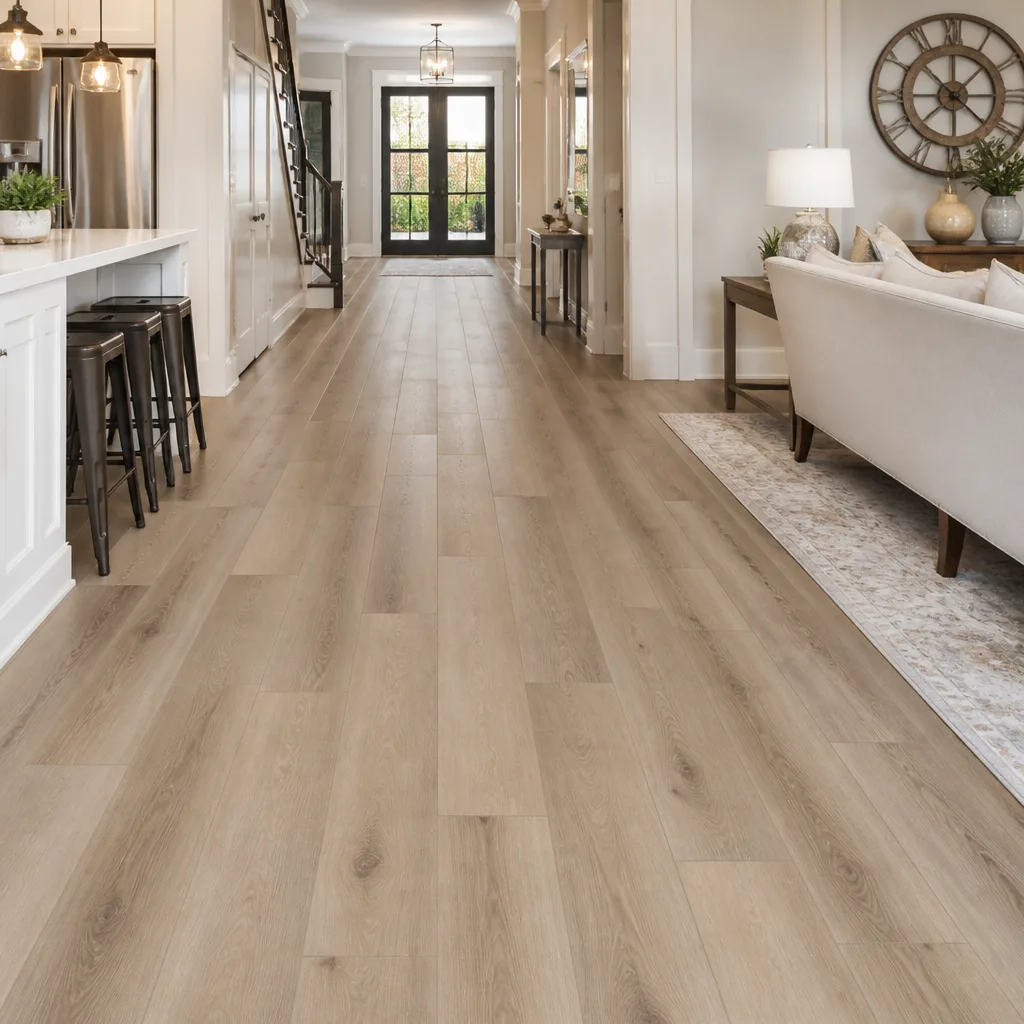 Luxury vinyl plank
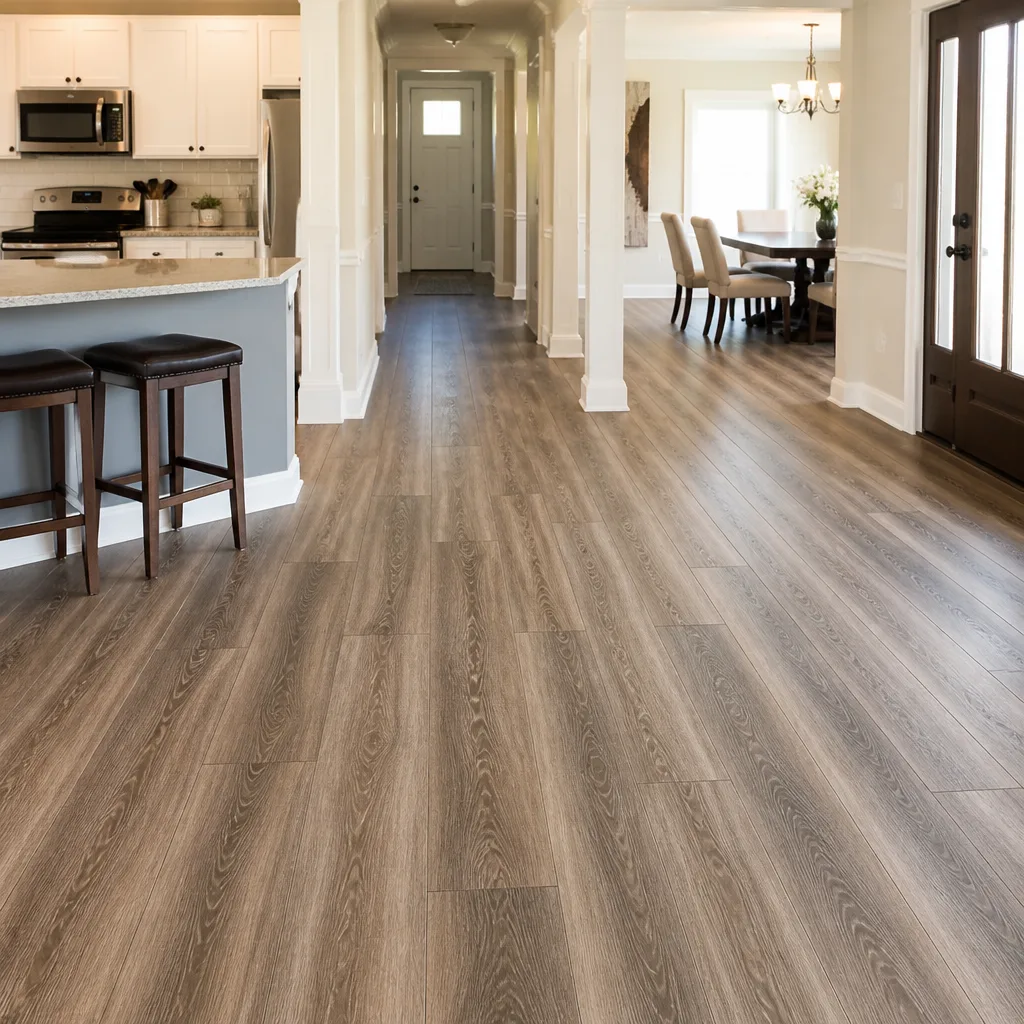 Laminate
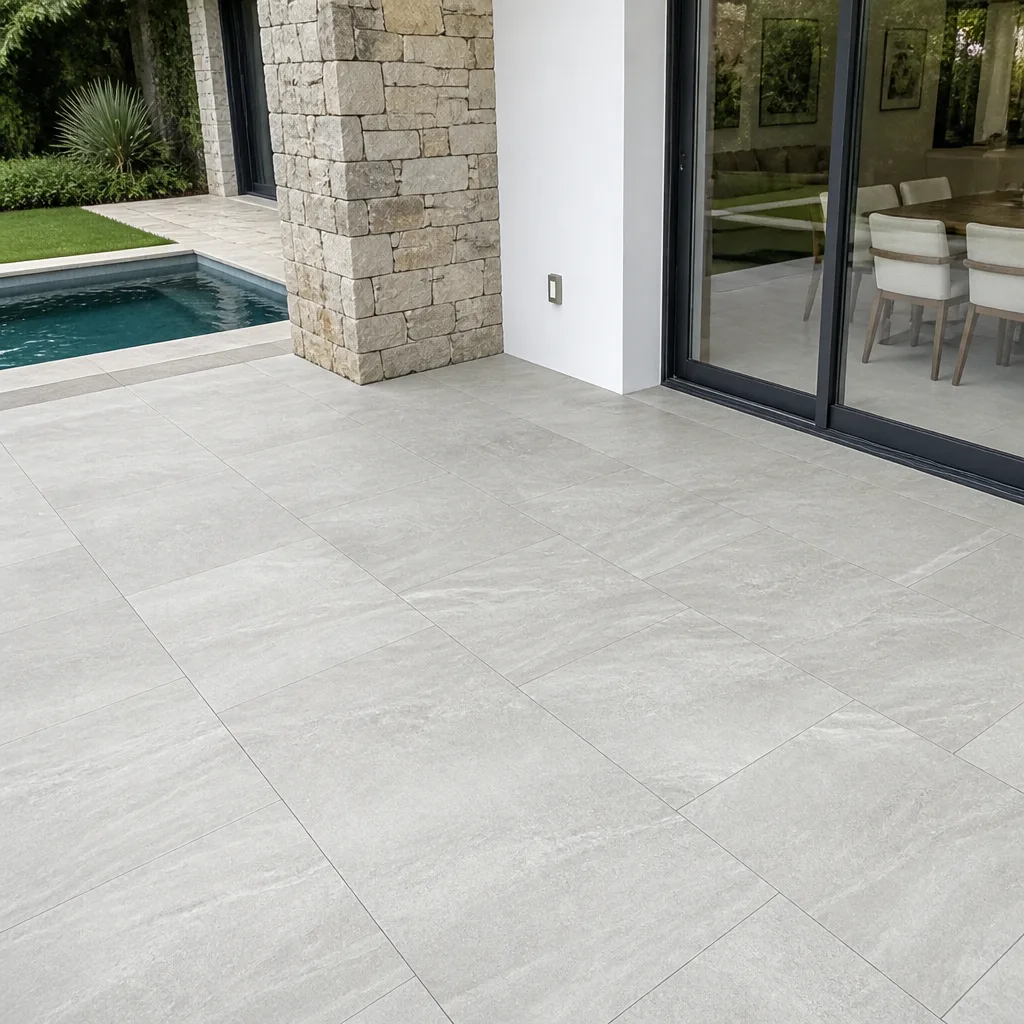 Porcelain tile
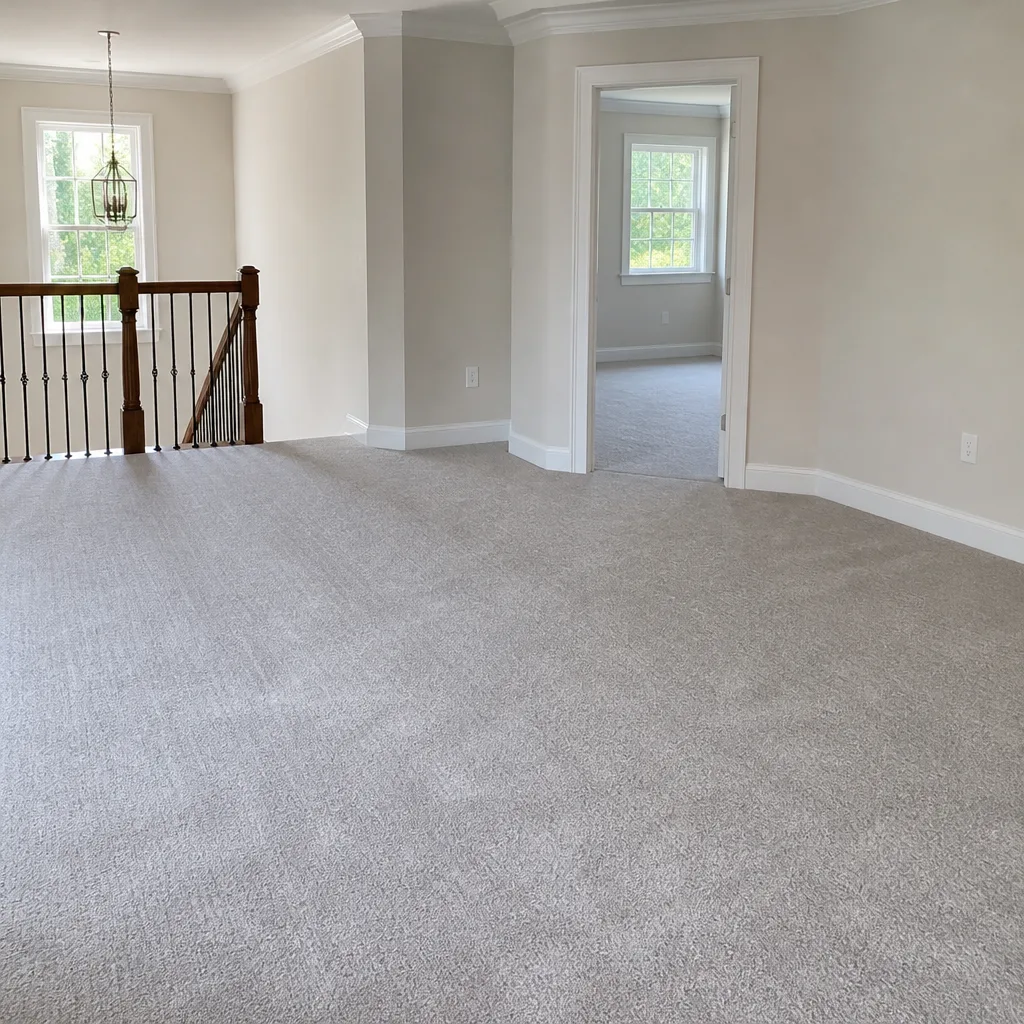 Carpet
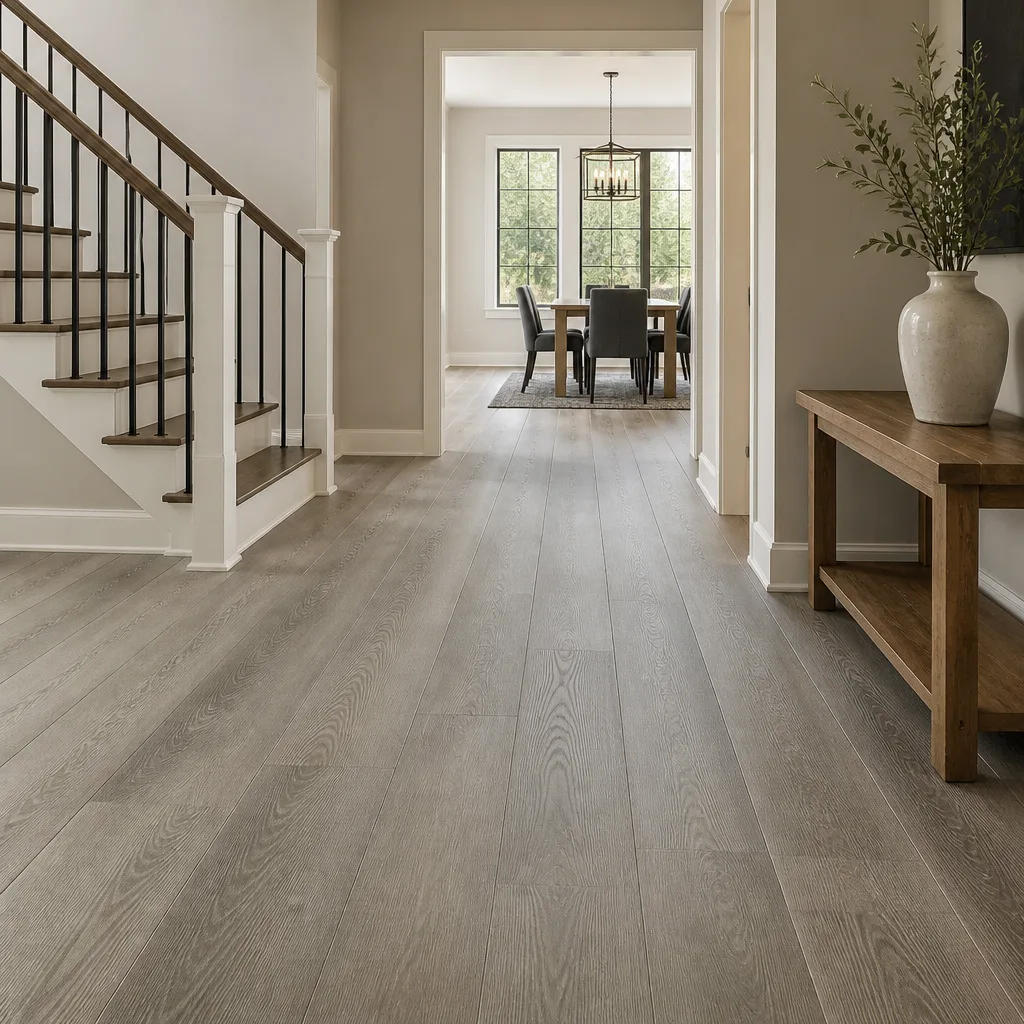 Shaw
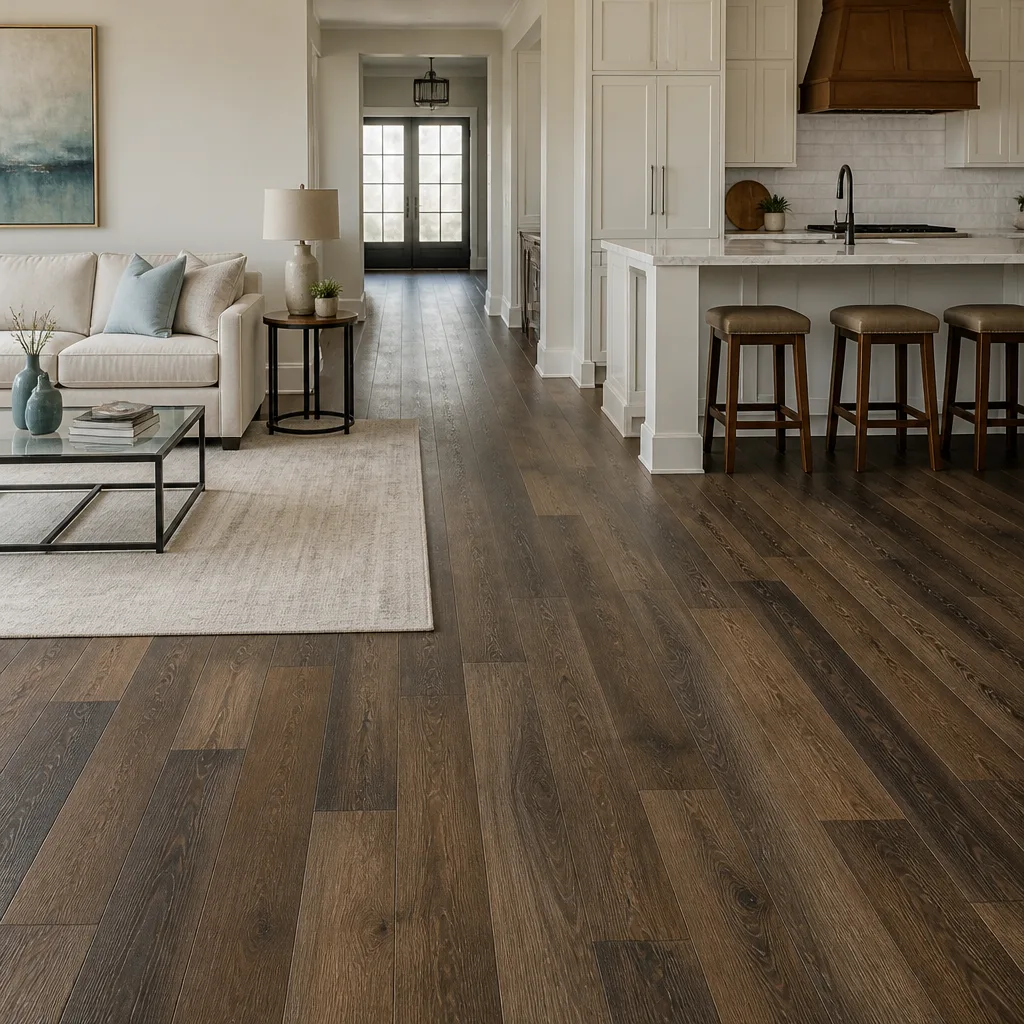 Mohawk
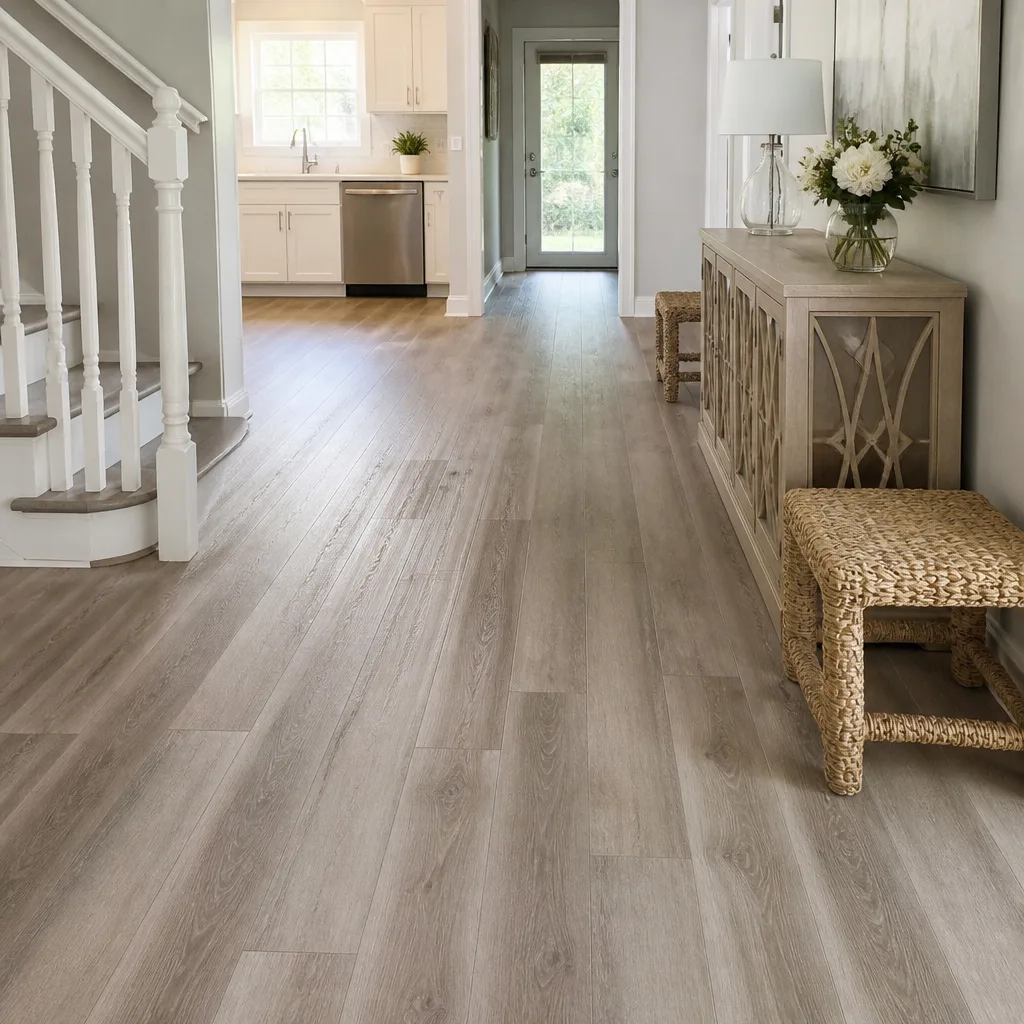 COREtec
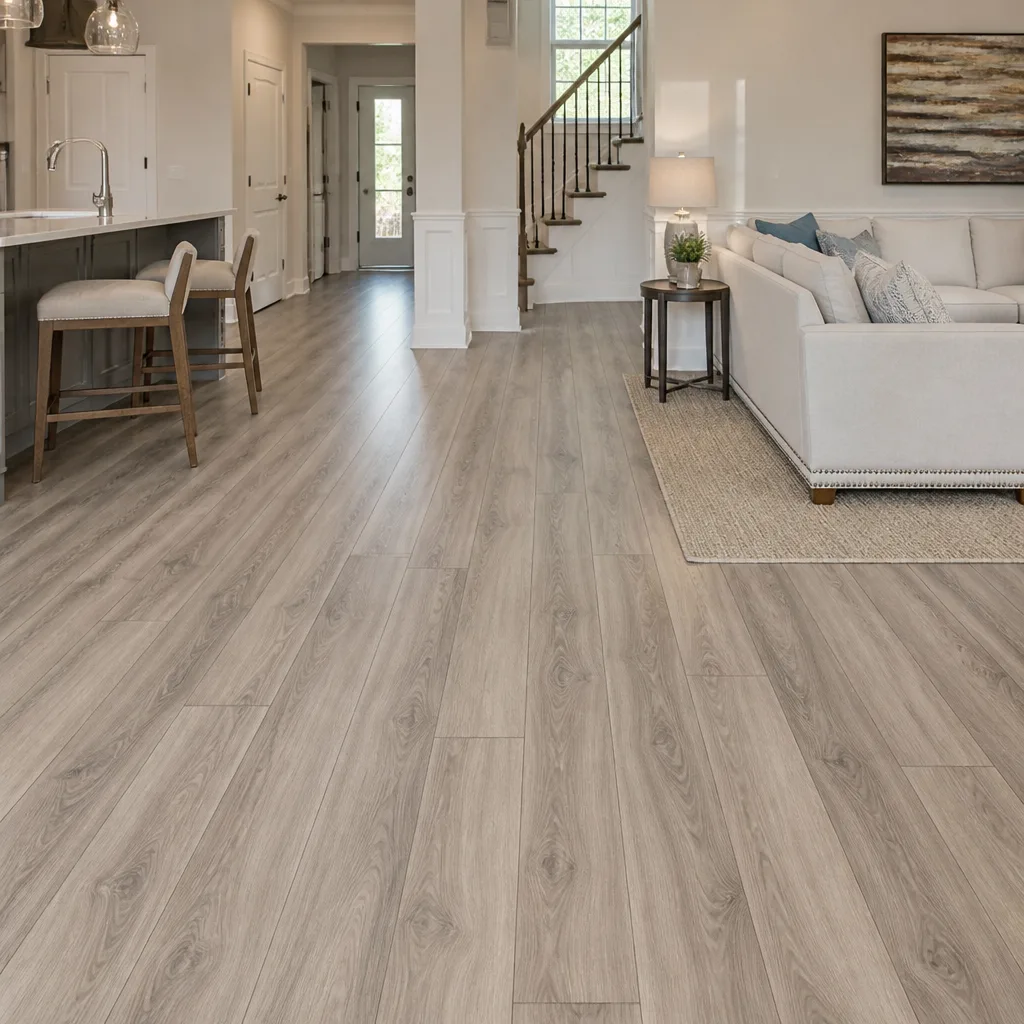 Pergo
Free in-home measure and written estimate: Shaw, Mohawk, COREtec and Pergo lines compared on your own rooms, with carpet, tile, vinyl plank, laminate and hardwood laid out side by side
Get your free estimateHow to Hire a Flooring Contractor in Winchester: A Step-by-Step Guide
Most homeowners start the search for a flooring contractor by doing the one thing that tells them almost nothing: checking whether the license number is current. That’s worth doing, and we’ll never tell you to skip it. But a contractor license in Nevada is issued by trade classification, not by material. A license tells you a contractor is legal to work in the state. It doesn’t tell you whether that person has ever laid a run of engineered hardwood over a concrete slab, cut a diagonal tile layout around a doorway, or installed a plank floor with a thin wear layer that will show every scratch in two years. Those are the questions that determine whether the floor is still right in a decade, and they have nothing to do with the license lookup page.
That gap is what this guide closes. By the end you’ll know exactly what to ask, what to read, what a quote should contain, and which red flags matter in the flooring trade specifically, from the subfloor clause your quote should carry to the difference between a $2.50 square-foot bid and a $4.50 one when the specs look identical on paper. We’re writing this from Winchester, where we install and refinish floors for homeowners across the valley, so the advice here is grounded in what the flooring market in Winchester actually looks like.
Quick Answer
To hire a flooring contractor in Winchester, verify the contractor is licensed for flooring work specifically (in Nevada that means a C-16 flooring classification, not a general B license alone), ask five product-knowledge questions before you accept a quote, and insist on a written scope of work that names the product, the subfloor prep, and who handles warranty if the installation fails. The cheapest square-foot number is usually the one with the thinnest wear layer or the least prep, not the best value. Get three quotes with identical product specs before you choose.
Styles & brands we work with
- Hardwood
- Engineered hardwood
- Luxury vinyl plank
- Laminate
- Porcelain tile
- Carpet
- Shaw
- Mohawk
- COREtec
- Pergo
Table of Contents
- What License Does a Flooring Contractor Need in Winchester?
- Five Product-Knowledge Questions to Ask Before You Accept a Quote
- Why Manufacturer-Certified Installation Matters
- Red Flags Specific to the Flooring Trade
- How to Compare Quotes When the Specs Differ
- What’s Different About Flooring in Winchester Homes
- What a Proper Written Scope of Work Contains
- Common Mistakes to Avoid
What License Does a Flooring Contractor Need in Winchester?
In Nevada, contractors are licensed by the Nevada State Contractors Board, and the license carries a classification that tells you what work the contractor is actually authorized to perform. A C-16 classification is the flooring contractor classification. A general B license covers building and remodeling work broadly but doesn’t designate flooring as the contractor’s trade. Both can be legal. They are not the same.
Why it matters: a C-16 flooring contractor has been licensed specifically to install the work you’re buying, which puts the Board’s complaint and discipline process squarely on the line for the installation itself. A general contractor who brings in flooring labor as a subcontracted piece of a larger remodel also carries exposure, but the accountability chain is longer. When the floor fails in year three, you want the shortest possible line between the failure and the entity who answers for it.
Here’s what to actually check before you request a single quote:
- Look up the license number on the Nevada State Contractors Board website and confirm the classification. If it’s a B license, ask whether the flooring work itself is being performed by a C-16 subcontractor, and get that name.
- Confirm the license is active, not expired or suspended, and that the name on the license matches the name on the written estimate.
- Ask for the certificate of insurance directly. General liability and workers’ compensation are the two that matter. If the contractor can’t produce a current certificate, that’s a stop.
- Ask whether the installer doing the actual work is an employee or a subcontracted crew, and whether that crew carries its own coverage.
- Confirm a physical business address and a business phone line, not just a cell phone and a truck.
One distinction worth holding onto: a license is a floor, not a ceiling. Passing every step above means the contractor is legal and insured. It says nothing yet about whether they know material. That’s the next section. If you want a shortcut on the flooring part specifically, you can read more about Flooring Installation Winchester and what we install, but the vetting steps below apply to any contractor you talk to.
Five Product-Knowledge Questions to Ask Before You Accept a Quote
This is the section that separates a flooring specialist from a handyman with a truck. A general contractor can quote you a square-foot price for “vinyl plank” all day. Ask these five questions and the answers will sort themselves out in about ten minutes.
1. What’s the wear layer on the plank you’re quoting me?
For luxury vinyl plank, the wear layer is the clear top film over the printed design, and it’s measured in mils. A product with a thin wear layer and one with a thick wear layer can both be called “vinyl plank” and can land at wildly different prices per square foot. A contractor who can’t tell you the wear layer number for the product they quoted you either doesn’t know or is hoping you won’t ask. We install COREtec and LifeProof for exactly this reason: both are lines where the wear layer is published, comparable, and defensible against the price.
2. What AC rating is this laminate, and where is it going?
Laminate carries an AC rating from 1 to 5 that indicates where the manufacturer intends the product to be used. An AC-rated product for a bedroom and one for a commercial hallway are not interchangeable. Ask which rating you’re being quoted for each room and why. Pergo laminate carries published AC ratings per line; a contractor who installs it regularly will know the number without looking.
3. What’s under my current floor, and how will you prep it?
This is the question that saves you thousands. The answer should include a plan for the subfloor: whether it’s concrete slab or wood, whether there’s a moisture concern, whether the surface needs patching, leveling, or a crack isolation or underlayment layer. If the answer is “we’ll just lay it over the top,” ask a follow-up.
4. Is this floor rated for the room I’m putting it in?
Kitchens, bathrooms, laundry rooms, and finished basements are the trap rooms. A water-resistant plank installed in a bathroom is not the same as a water-resistant plank installed correctly in a bathroom, and no floor is waterproof in the sense that standing water won’t find a subfloor. Ask the contractor to walk you through where they’d use each product and why. If every room gets the same recommendation, that’s a red flag.
5. Who is responsible if this floor fails, and under what terms?
The answer you want: a named product on a written scope, an installation warranty or accountability coming from the contractor, and a clear process if the manufacturer’s coverage is ever invoked. Some product warranties require certified installation or the warranty is void from day one. Ask specifically whether the product being quoted has an installation certification requirement, and whether the contractor holds it.
Why Manufacturer-Certified Installation Matters
Flooring manufacturers write installation standards because installation failure is the single largest category of flooring complaint. When a manufacturer puts a certification program in place for installers, it’s telling you something: not every installer meets the standard the product requires. Some product warranties require certified installation as a condition of coverage. If you buy a floor on the strength of a warranty and the installer isn’t certified to install that product line, the warranty can be void before the first plank is laid.
What that means practically:
- Ask which of the nine brands being quoted have installation certification requirements, and get the contractor’s status on each in writing. A verbally answered “yes, we’re certified” is worth less than a written confirmation.
- If the contractor carries only one or two brands, ask why. A specialist whose lineup is a single brand may be excellent at that brand. A generalist with no brand relationships can’t produce certification paperwork because there isn’t any.
- The brand set on the quote should match the brand set installed. If the quote is written by a contractor who doesn’t carry the product, the installation certification step is likely missing.
- Never accept “the manufacturer warehouse will handle warranty.” The manufacturer’s warranty covers defects in the product, not defects in the installation. Those are two separate conversations and the contractor is accountable for one of them.
We install and refinish product from nine brand partners: Mohawk, COREtec, Pergo, LifeProof, Shaw, Mannington, Armstrong, Daltile, and Karndean. That lineup exists so we can match the product to the room and the household, not so we can steer you toward one brand. When a homeowner asks about carpet installation in a bedroom versus a mid-grade laminate through the hallway, the answer should be shaped by the room, not by what’s on a truck this week. If your current contractor can’t answer the certification question, that’s a sign to keep interviewing.
Red Flags Specific to the Flooring Trade
General contractor red flags, like an unmarked truck or no written contract, apply to flooring contractors too. But the flooring trade has a few specific warning signs that don’t show up in general hiring advice, and they cost homeowners real money. Watch for these:
- A square-foot quote with no subfloor clause. A quote that says $3.50 per square foot installed with no mention of what happens if the subfloor needs patching is not a quote, it’s the down payment on a later phone call. The written scope must specify what prep is included and at what cost.
- No written scope of work. If you can’t read, in writing, exactly which product in which brand in which room with what prep, you don’t have a quote. A one-line estimate on a branded notepad is not a scope of work.
- Cash-only deposit, no receipt, no contract. A deposit should flow through a documented payment to a licensed business entity. If the deposit conversation is “cash, no paper, no problem,” end the conversation.
- No discussion of acclimation or moisture. Flooring reacts to its environment. A contractor who doesn’t mention how the material will be acclimated to the home’s conditions, or how the subfloor’s moisture will be handled, hasn’t thought about the job past the sale.
- A price that’s dramatically below every other quote with identical specs. It isn’t. The wear layer is thinner, the AC rating is lower, the subfloor prep has been stripped out, or the underlayment is missing. Ask which.
- Pressure to decide on the spot. Real flooring work schedules around product lead times and installation crew availability, not a same-visit discount. If the price “expires today,” that’s a sales tactic, not a flooring fact.
- No warranty paperwork at all. Ask for the manufacturer’s warranty document for the exact product and the contractor’s own installation accountability in writing. If neither exists, the warranty discussion is theoretical.
How to Compare Quotes When the Specs Differ
Three flooring quotes in Winchester that all say “hardwood install, 800 sq ft” can come in at $6,000, $9,000, and $13,000 and be entirely unrelated to one another. The reason is almost always the specs. Comparing square-foot numbers without matching the product, the wear layer, the AC rating, the subfloor prep, and the trim and transition work is comparing apples to a different fruit that happens to be the same color.
Here’s how to compare correctly:
- Get the brand, line, and SKU for every quoted product in writing. For LVP, that means the wear layer number. For laminate, the AC rating. For tile, the format and the grout specification. For carpet, the fiber and pile height. For hardwood, the species and thickness.
- Discount any quote missing a named product. A quote that says “hardwood” without naming the species, grade, and finish isn’t a quote for a specific floor, it’s an estimate for a category.
- Line up the subfloor prep item by item. Does each quote account for the same prep? Is there a moisture barrier? Is there leveling or patching? Is old flooring removal and haul-away included?
- Check trim and transition line items. Baseboards, shoe molding, reducers, thresholds, and stair noses are where a “cheap” quote turns expensive. Are they in or out?
- Confirm the installation crew and the warranty relevance. A quote from a contractor whose installation isn’t certified for the product being quoted is not the same as a quote from a contractor whose installation meets the warranty condition.
- Only then compare price. If the cheapest bid survives the five steps above with the same specs as the most expensive one, take it seriously. If it doesn’t, the price difference is explained by the specs.
This is why we lead with product over price when we’re talking to Winchester homeowners. Comparing COREtec to a no-name plank is not a price comparison. Comparing COREtec to COREtec installed by an uncertified crew is. Both of those comparisons look identical on a square-foot summary sheet, and only one of them tells you what your floor will actually be.
What’s Different About Flooring in Winchester Homes
Winchester sits in the Mojave desert, and the local climate shapes what flooring performs well here. The single biggest local factor is the dry air. Indoor humidity in this climate swings low for much of the year, and wood-based flooring, hardwood and engineered hardwood and laminate, responds to that swing. Floors installed without any plan for indoor humidity management tend to show gaps, cupping, and edge-lift that look like installation failures. They’re often environmental, which is exactly why the conversation about moisture has to happen at the estimate, not after the move-in.
On the other side of the humidity question are the wet rooms. Kitchens, bathrooms, and laundry rooms in Winchester homes see seasonal moisture swings that are distinct from the dry air in the rest of the house. Luxury vinyl plank handles this environment better than any wood-based product, which is why we stock COREtec and LifeProof LVP as part of the lineup rather than steering every bathroom toward tile. In a dry climate, LVP is often the more forgiving choice, and it’s easier to live on underfoot.
Tile flooring installation across the Winchester area typically involves concrete slab substrates, which is a very different install from wood subfloor work on the coasts. Slab prep, crack isolation membrane, and moisture testing before tile goes down are part of doing it right. Grout selection matters too: in a dry climate, a grout that isn’t moving with the home’s seasonal shifts will crack, and the fix is a mix that tolerates the movement. Daltile carries porcelain, ceramic, and stone tile across the full range, and the right one for a Winchester kitchen isn’t always the same as the right one for a hallway.
If you’re moving into a home with existing hardwood, ask about refinishing before you price a replacement. In many Winchester homes, the existing hardwood has thickness and condition left to be sanded and refinished to a fresh finish. That’s a different service from installation, and it’s one not every flooring contractor offers. It’s not the right answer every time; some floors don’t have enough thickness left, and the verdict comes at the estimate. You can read more about the broader service and coverage on the Winchester page, or talk to us about the specific floor in your home.
What a Proper Written Scope of Work Contains
The written scope of work is the single most important document in the flooring project. It’s what you hand back to the contractor if anything goes sideways, and it’s what the estimate has to contain for the price to be a price and not a guess. Here’s what a proper scope in Winchester should include, plain and complete:
- The rooms, measured. Each room listed with the square footage. No “approximately 800 sq ft, more or less.”
- The brand, line, and SKU for every product. Not “hardwood” or “tile,” but the specific product with the specific number. For LVP, the wear layer. For laminate, the AC rating. For tile, the format and grout. For carpet, the fiber and pile height.
- The substrate prep plan. Concrete or wood, what state it’s expected to be in, what prep is included, what the pre-existing conditions were at estimate.
- The installation method. Float, glue-down, nail-down, or whatever the product requires, plus the underlayment and the transition profile.
- Old flooring removal and disposal. Included or excluded, named explicitly.
- Trim and finish work. Baseboard removal and reinstallation, shoe molding, stair nose, thresholds, reducers, all itemized.
- The cost, itemized. Materials, labor, prep, removal, trim, and any allowance for finding conditions on demolition. Written price, not a head-shake and a promise.
- The schedule framework. When the materials are ordered, and how the install day will be set. Not a date and time, but the sequence of events you’re agreeing to.
- Warranty and accountability. The product warranty document, the installer’s certification status, and the contractor’s stated accountability for workmanship.
- Payment schedule. What deposit, what on delivery, what on completion. Never all cash in advance.
If any one of those items is missing from a quote you’ve received, ask for it in writing before moving forward. The same standard applies whether you compare quotes from us or from anyone else in Winchester. If you want to see how we handle a written estimate and free estimate for a specific floor, call (833) 954-5991. We answer 24/7, fast dispatch from 7am to 7pm, Sunday through Friday.
Common Mistakes to Avoid
- Shopping on square-foot price alone. A $2.50 per square foot bid and a $4.50 bid can both be honestly quoted for “vinyl plank” and be entirely different floors. Compare the wear layer and AC rating first, the price second, or you’re comparing two different products.
- Accepting a verbal warranty understanding. If the contractor says “oh, the manufacturer covers that,” ask for the document with the exact product on it. A warranty you can’t produce isn’t a warranty.
- Not asking about the subfloor before signing. In Winchester, concrete slab prep is often the difference between a floor that lasts and one that telegraphs every imperfection within a year. If it’s not in the written scope, it’s not in the job.
- Choosing a contractor based on a single-brand recommendation. A contractor who only carries one brand and steers every room to that brand may be well-intentioned, but the recommendation is shaped by the catalog. Seek a contractor whose lineup covers the range so the recommendation is shaped by the room.
- Ignoring acclimation and indoor humidity. In the Mojave desert, the dry-air swings are real. If the contractor doesn’t mention how the material will adjust to the home’s conditions before installation, the install is incomplete on paper.
- Paying the full job in advance. A deposit is normal. All the money up front with no scheduled balance is a red flag regardless of the trade.
- Skipping the refinishing conversation on existing hardwood. Before pricing a replacement, ask whether the existing floor can be refinished. In some homes the hardwood has thickness and condition left, and a refinished floor is a smart first question. In others it doesn’t; the verdict comes at the estimate.
See the difference
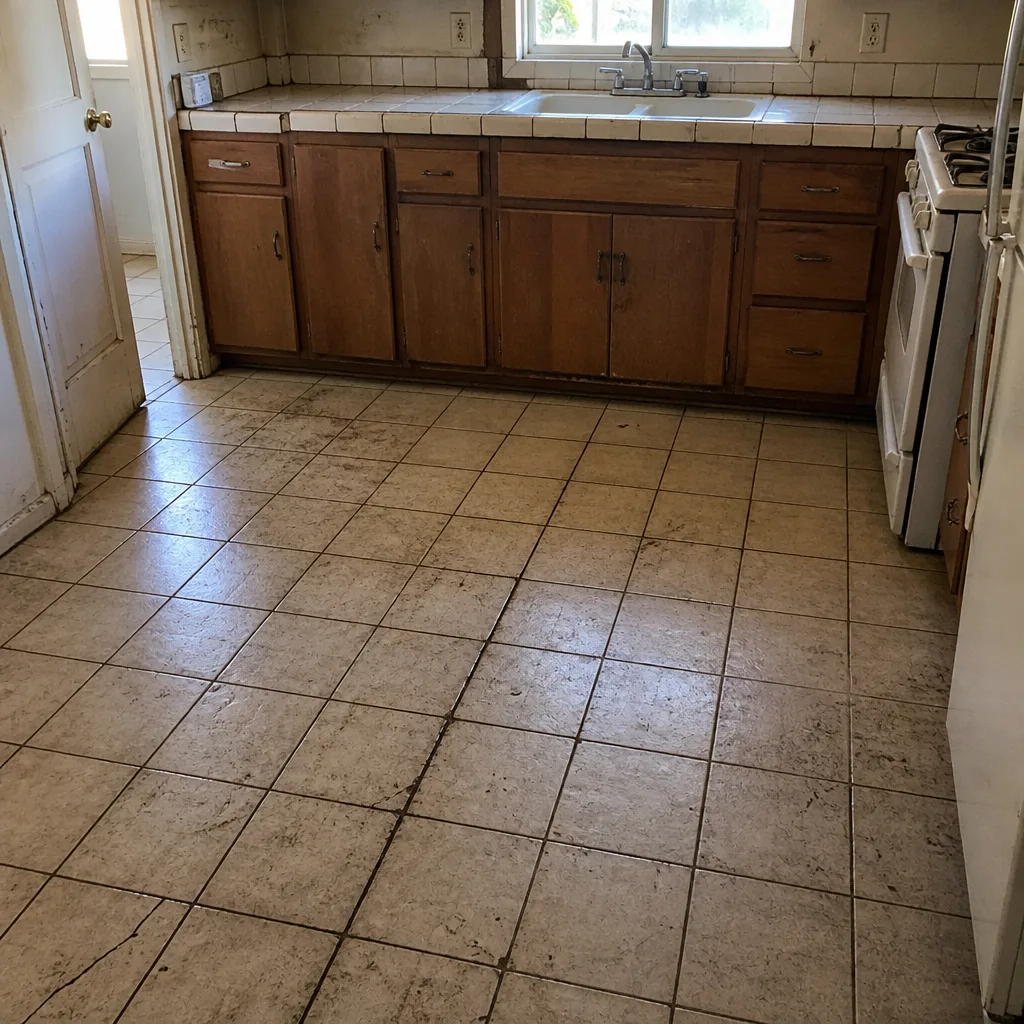 Before
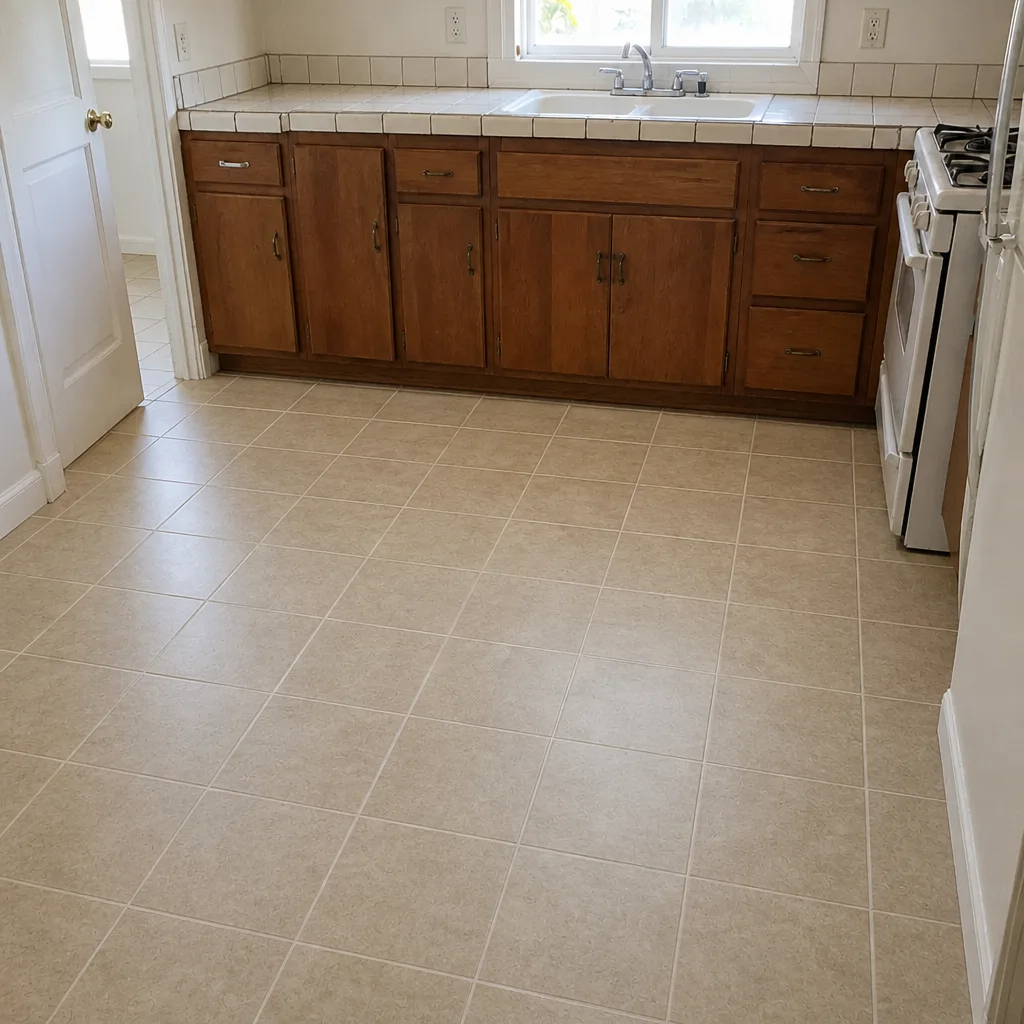 After
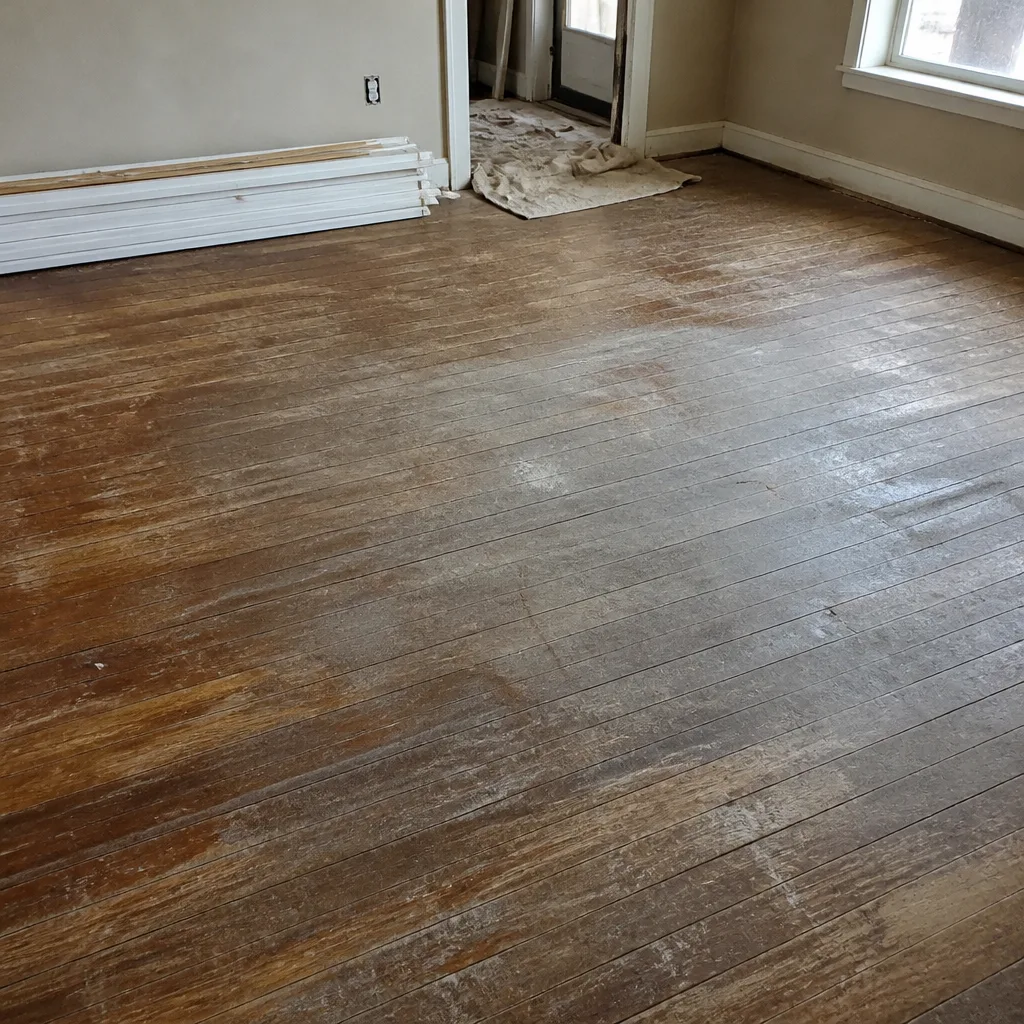 Before
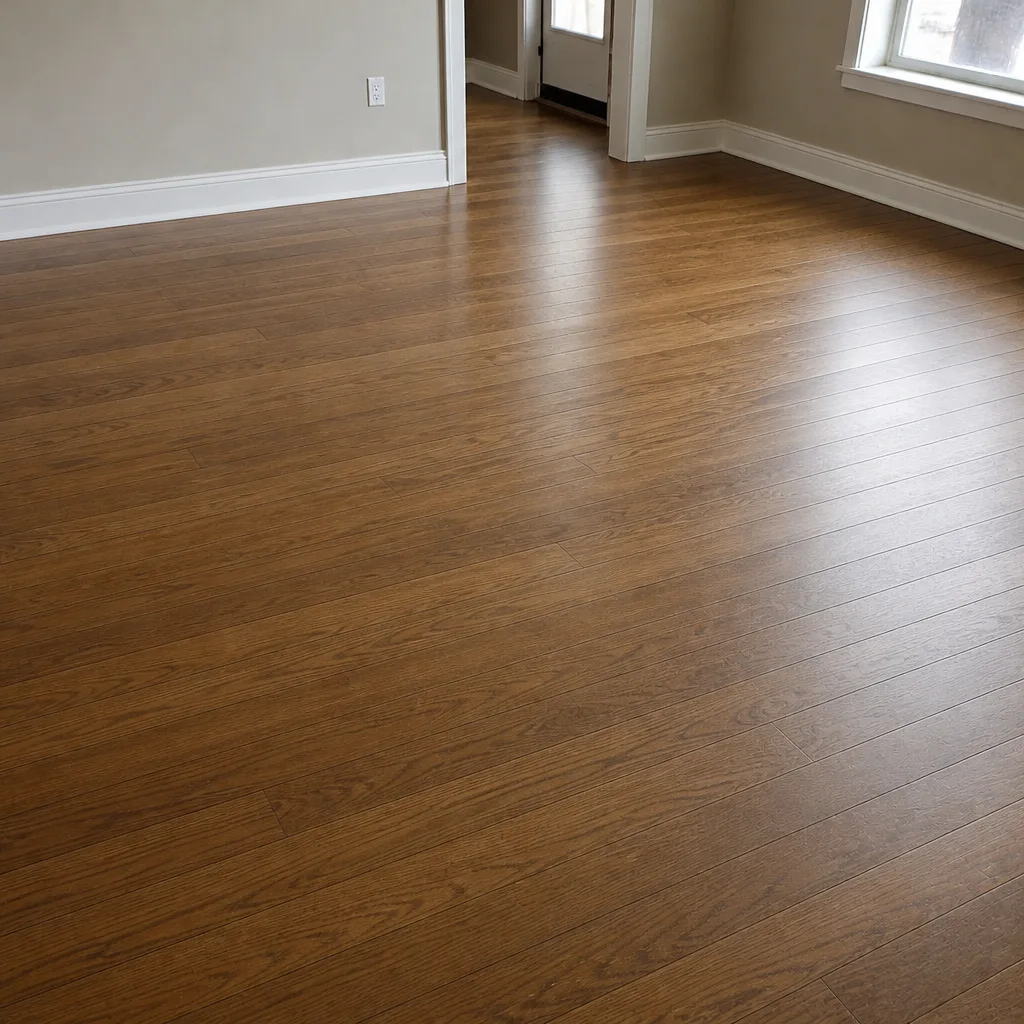 After
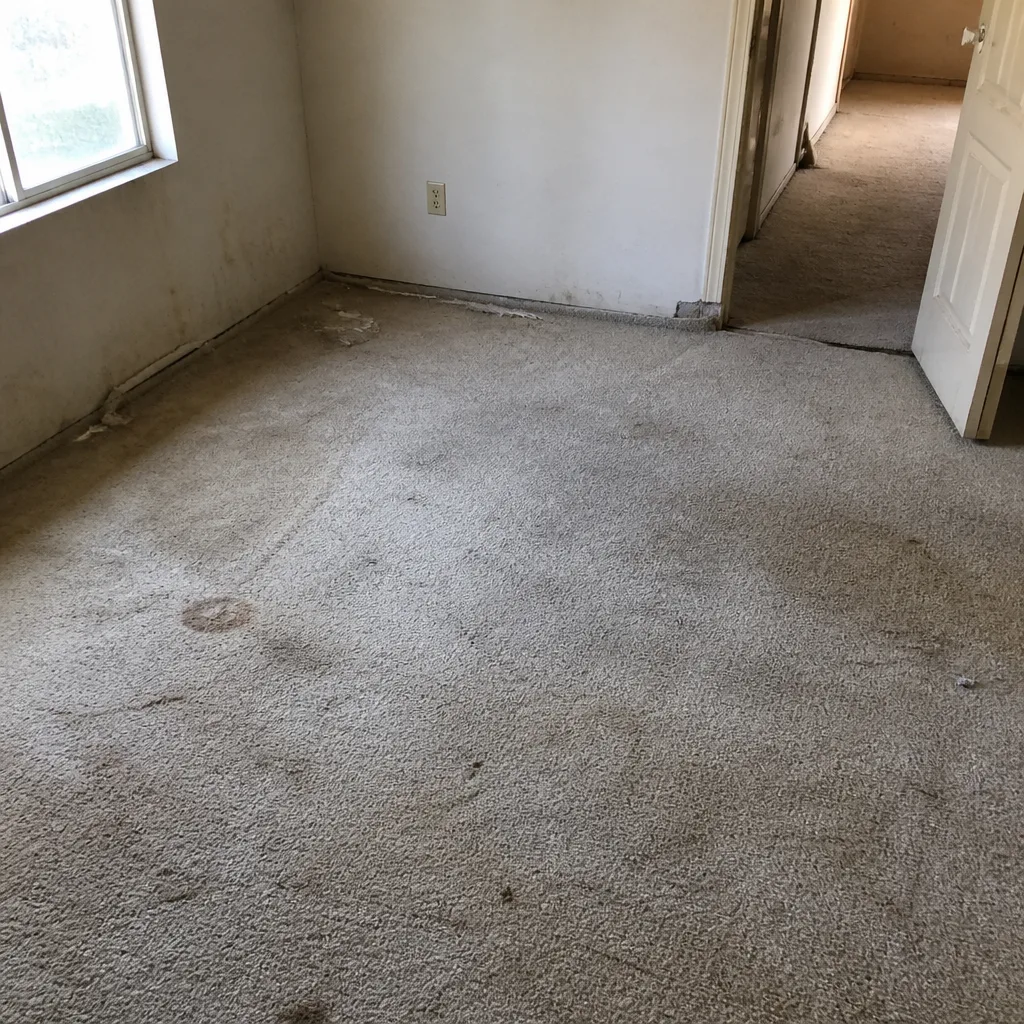 Before
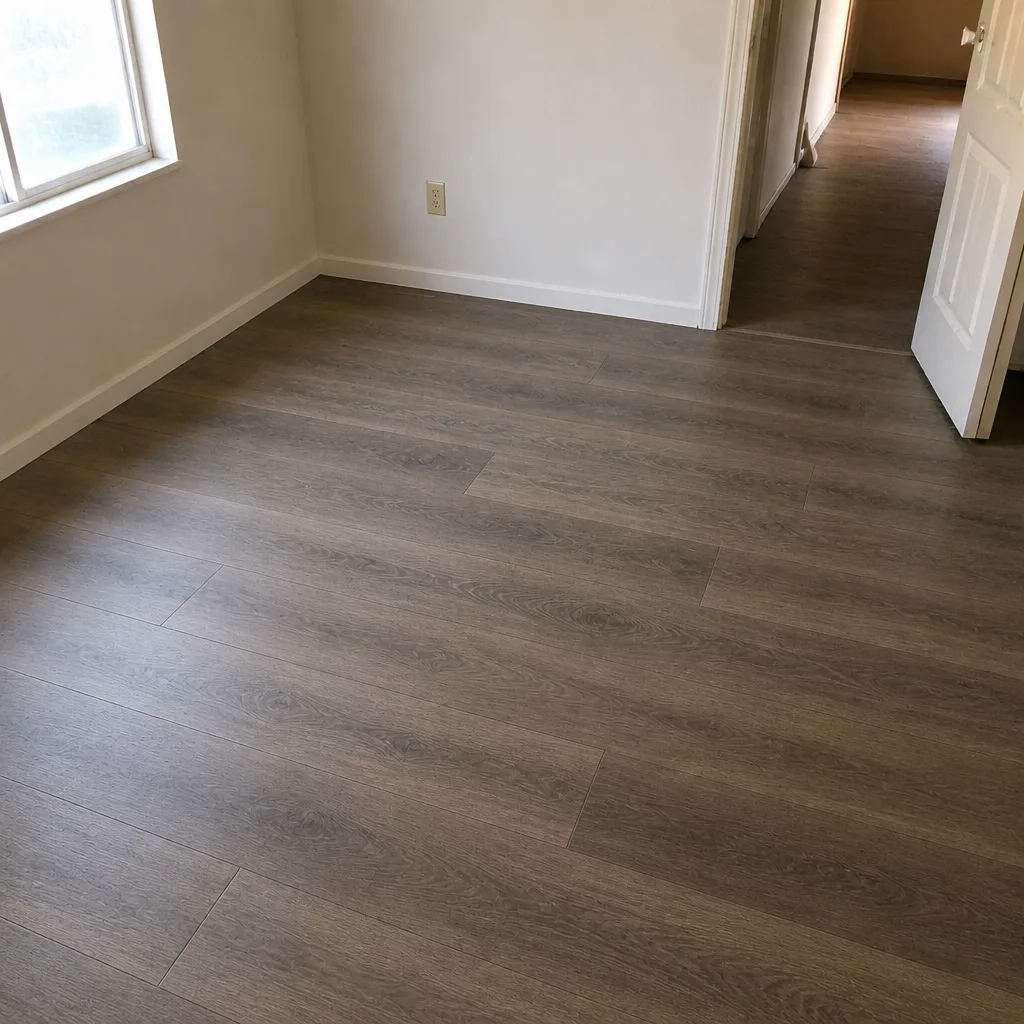 After
When to Call a Professional
Some flooring work is genuinely a professional job, not a weekend project. If you’re dealing with any of the following, it’s time to get a pro on the phone:
- You’re installing tile on a concrete slab and need to know what prep it requires before you buy the tile.
- Your existing hardwood is showing wear or a dull finish, and you want to know whether refinishing is possible before pricing replacement.
- You’re installing LVP in a bathroom, laundry, or kitchen, and you want a product correctly rated for the moisture.
- You’re comparing multiple quotes and want a specialist’s read on the specs before you sign.
- You’re remodeling a whole home and need the flooring to fit under trim and transitions that are already in place.
- The square footage is above what you’re comfortable doing yourself, or the room is on an upper floor with stairs to handle.
Flooring Installation Winchester offers free estimates in Winchester, and our technicians have up to 14 years of experience across the material range. Call (833) 954-5991 to schedule your free estimate. We answer 24/7, fast dispatch from 7am to 7pm, Sunday through Friday, closed Saturday.
Frequently Asked Questions
Yes. Nevada requires contractors to be licensed by the Nevada State Contractors Board to perform flooring work for compensation, and the flooring-specific classification is C-16. A general B license is legal but doesn’t designate flooring as the trade, so ask which classification is on the license and whether the flooring work itself is performed by a C-16 subcontractor. Confirm the license is active and that the name matches the written estimate.
There isn’t a single square-foot number that’s honest to quote sight unseen, because product, wear layer, subfloor prep, and trim work all change the total by more than the labor does. The written estimate is the only price that binds, and it comes after a free in-home measure. Call (833) 954-5991 to schedule your free estimate; the price per job is set by the written estimate.
A C-16 is the flooring contractor classification, so the license itself identifies flooring as the contractor’s trade, which is a cleaner accountability chain if the installation fails. A B license covers general building and remodeling work broadly and can legally hire flooring labor, but the flooring-specific classification isn’t on the license. Ask which classification the contractor holds and, if it’s a B, who’s doing the flooring install and under what license.
The installation schedule is set at the estimate once the product, the subfloor prep, and the room sizes are finalized. Lead time on the material and the install crew availability are both functions of the product and the room count, and neither can be accurately promised before the measure. What we can tell you up front is that the schedule, the product, and the prep are all part of the written estimate before the install day is set.
Often, yes, but the verdict comes at the estimate. Whether a floor can be refinished depends on the thickness of the wood left and its condition; not every floor has enough to sand again, and not every stain will match a sample the way a homeowner pictures. Refinishing is a dedicated service for us rather than an add-on, and it’s the honest first question before pricing a replacement. Call (833) 954-5991 for a free estimate on the floor you have.
The brand matters less than the specs, but the brands with published ratings are easier to compare. For LVP, ask about COREtec and LifeProof and confirm the wear layer number. For laminate, ask about Pergo and confirm the AC rating. For carpet, ask about Mohawk. For tile, ask about Daltile. For a designer LVP look, Karndean. Whichever brand is quoted, confirm the installation certification requirement before signing, because some warranties depend on it.
A proper quote names the product by brand, line, and SKU, itemizes the subfloor prep and old-flooring removal, and lists the trim and transitions as separate line items. It also states the payment schedule and includes the product warranty document. If any of those are missing, the quote isn’t complete. Call (833) 954-5991 for a free written estimate and you’ll see exactly how the line items should lay out.
The Bottom Line
Hiring a flooring contractor in Winchester comes down to a sequence: verify the license classification, ask the five product-knowledge questions, confirm certification on the brands being quoted, watch for the flooring-specific red flags, and don’t compare square-foot prices until the specs match. The cheapest bid almost never survives that sequence with the same floor at the end. If you’re remodeling, refinishing, or replacing across carpet, tile, LVP, laminate, or hardwood, the right contractor is the one who can walk you through the material question in plain language and put the answer in writing. That’s the standard we hold ourselves to, and it’s what the free estimate is for.
Written by the team at Flooring Installation Winchester.
Ready to price your floor? Call (833) 954-5991 to schedule your free estimate. We answer 24/7. Fast dispatch from 7am to 7pm, Sunday through Friday, closed Saturday.