
Last updated November 18, 2026
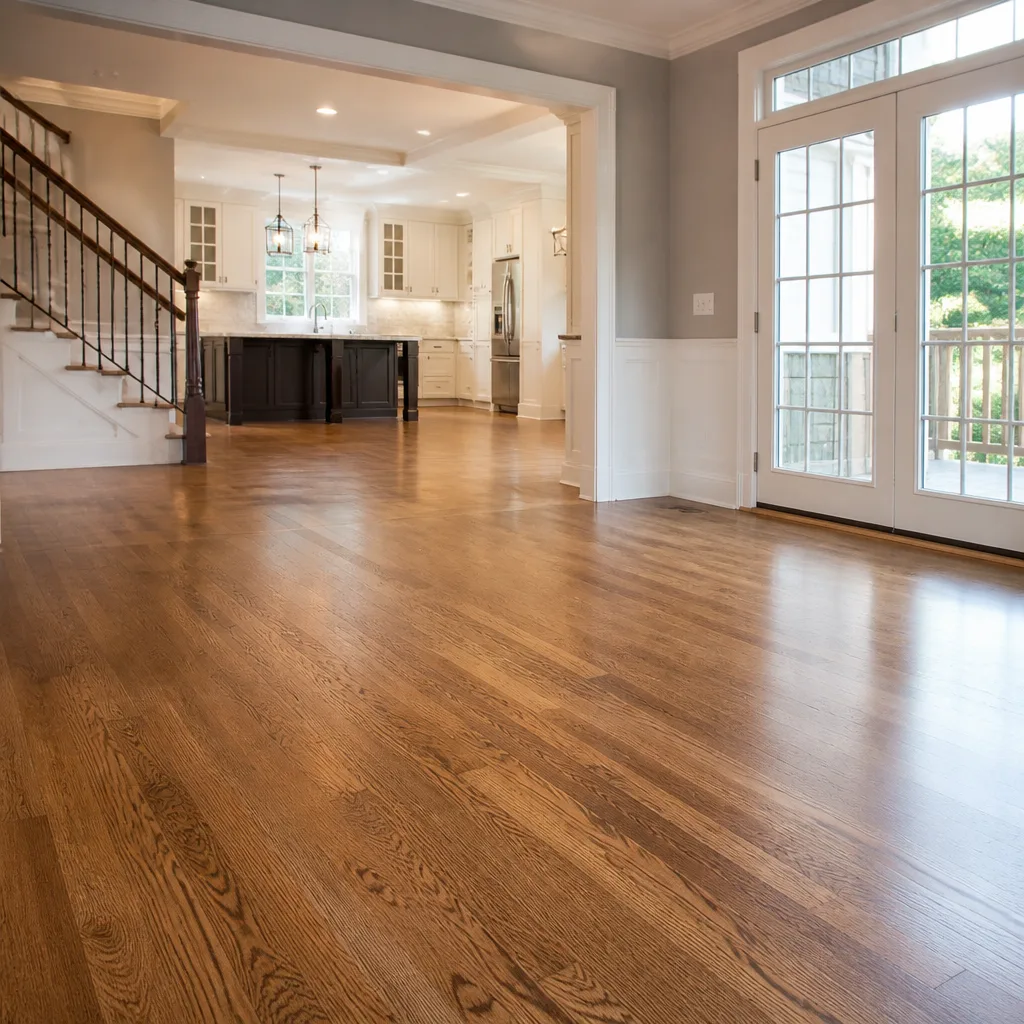 Hardwood
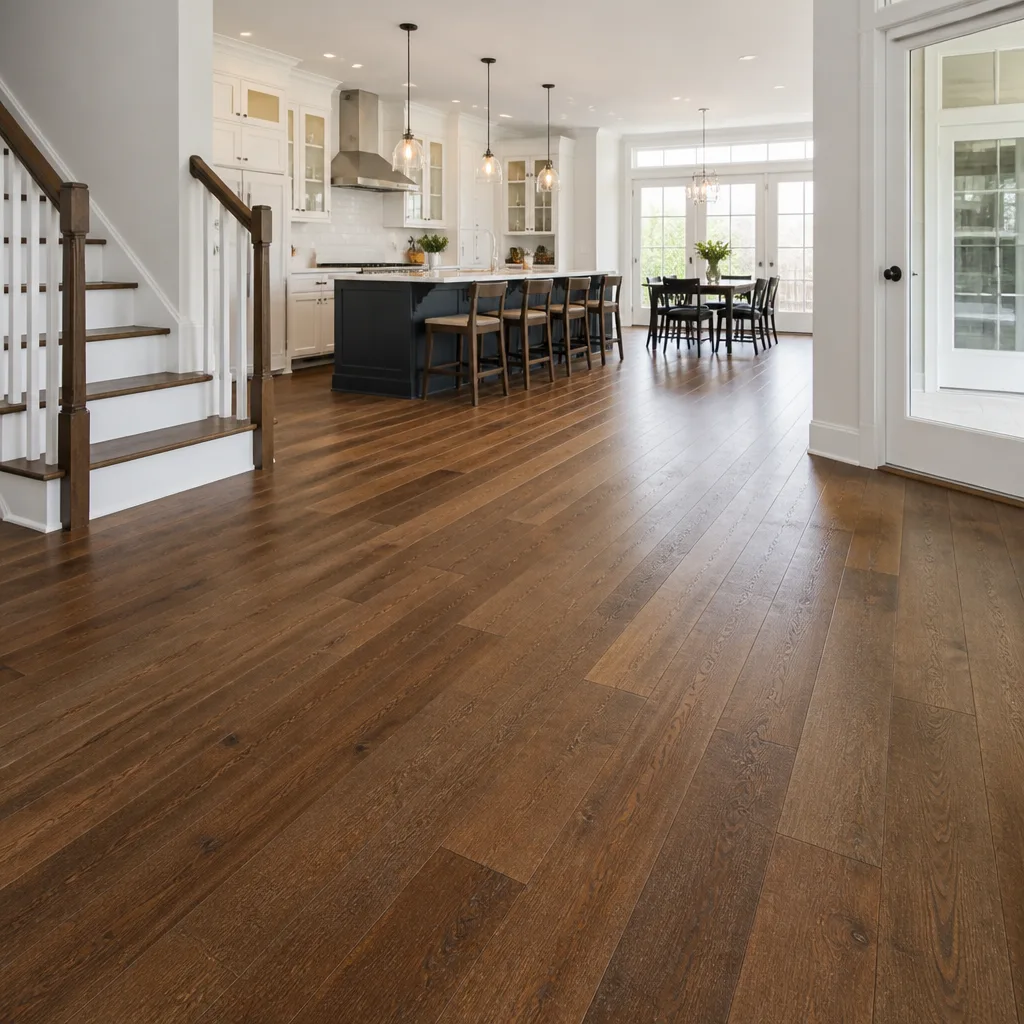 Engineered hardwood
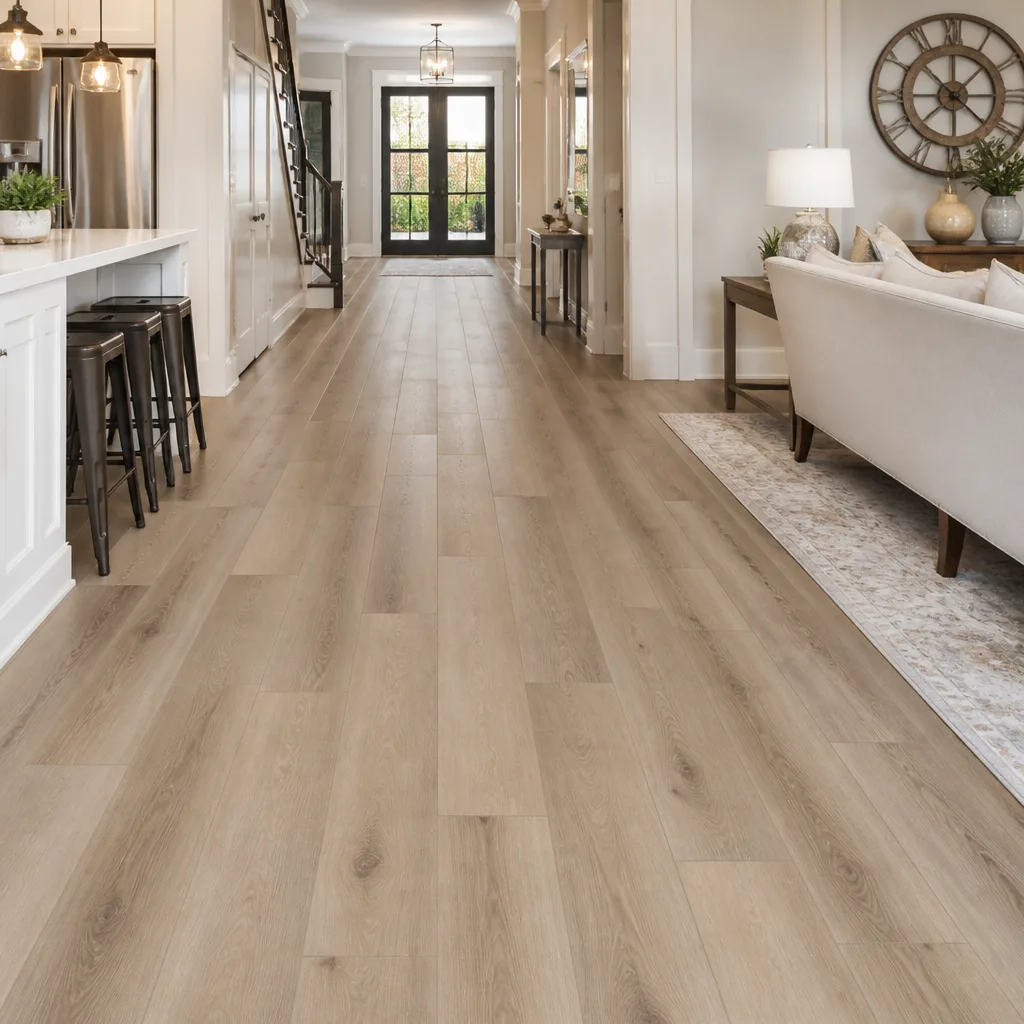 Luxury vinyl plank
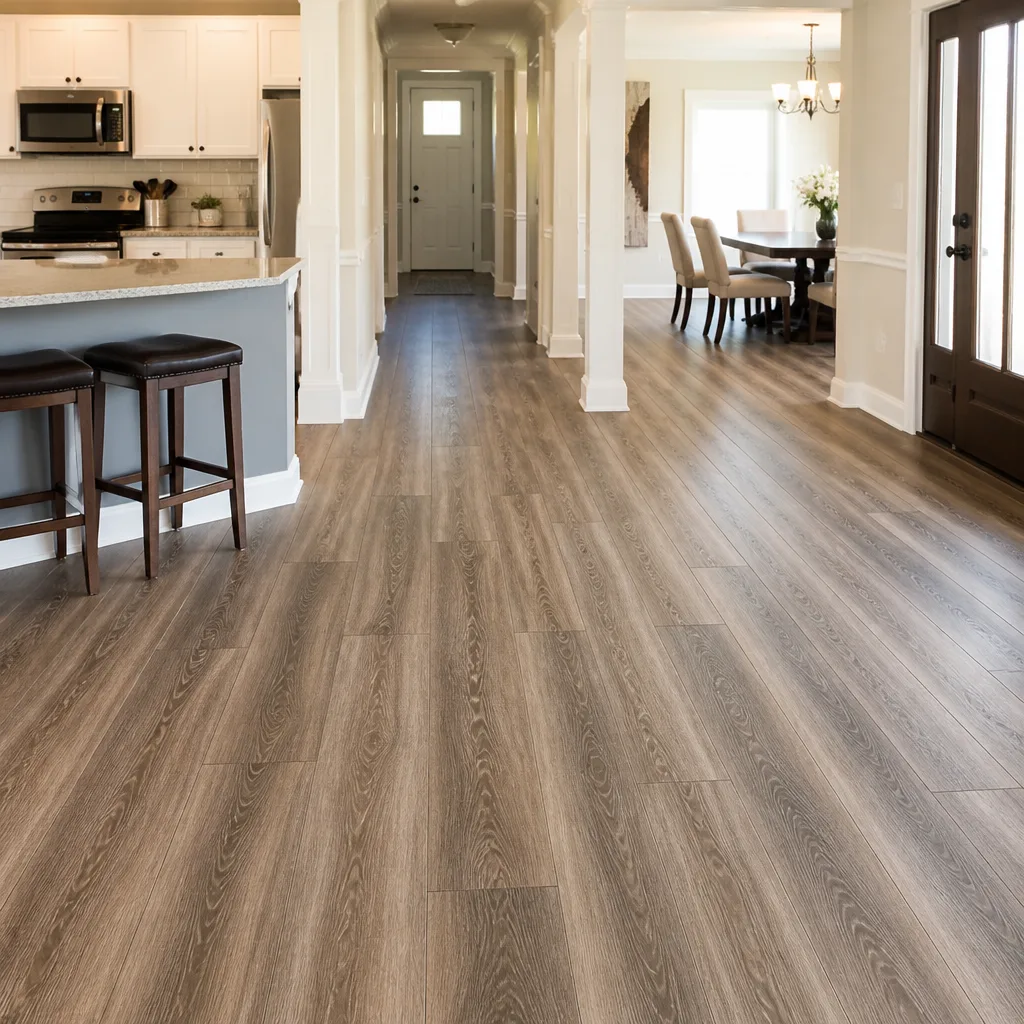 Laminate
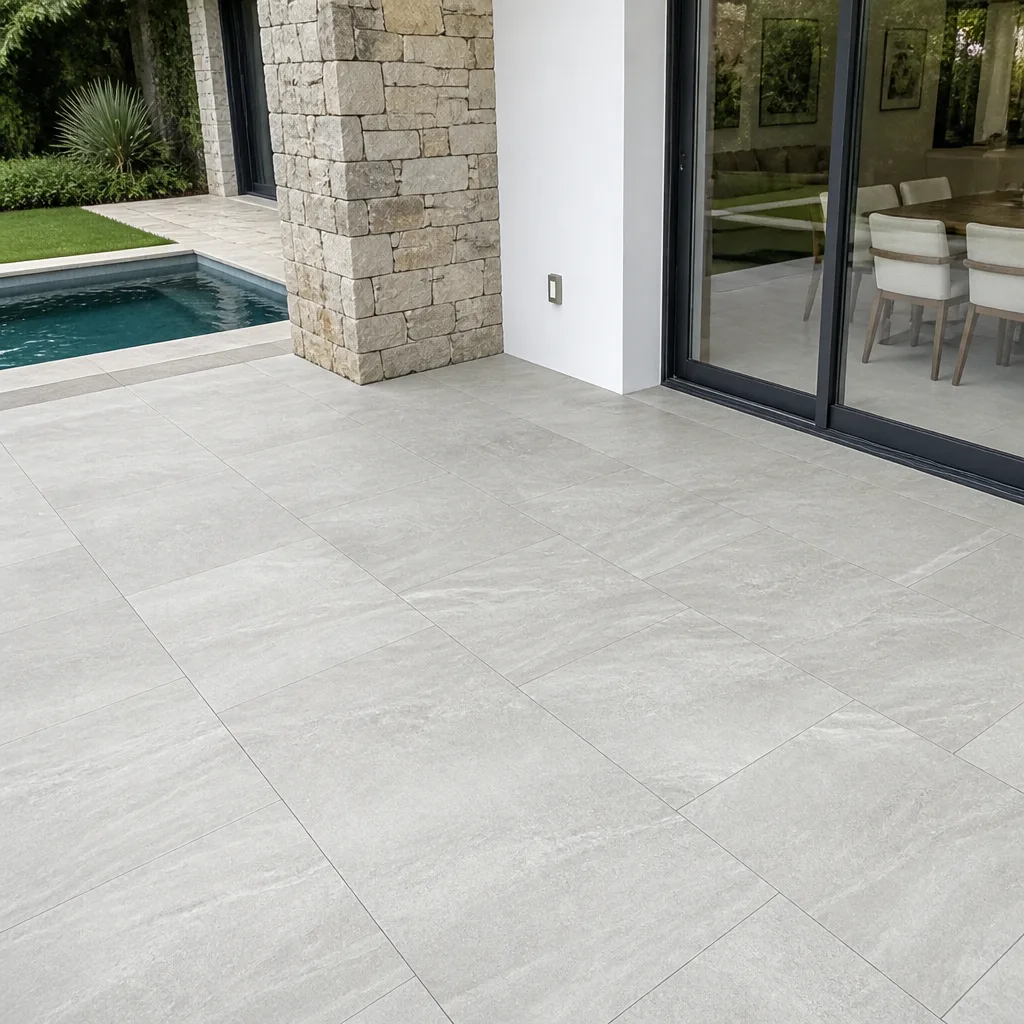 Porcelain tile
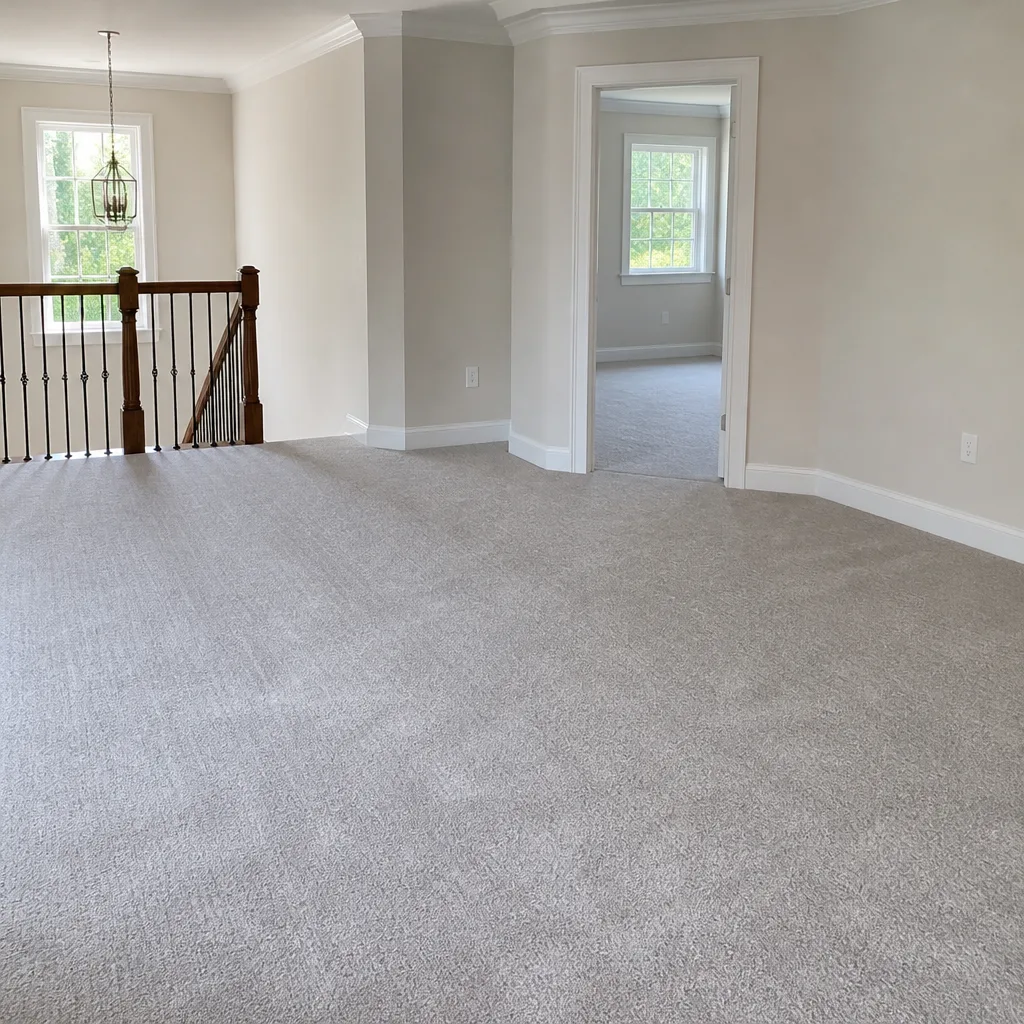 Carpet
 Shaw
 Mohawk
 COREtec
 Pergo
Free in-home measure and written estimate: Shaw, Mohawk, COREtec and Pergo lines compared on your own rooms, with carpet, tile, vinyl plank, laminate and hardwood laid out side by side
Get your free estimateFix It or Start Over: Flooring Repair vs Replacement
A floor with three deep scratches might have fifteen years left in it. A floor that looks fine from the doorway might have six months before the subfloor under it moves enough to crack every tile in the room. That gap between what you can see and what’s actually happening is where most repair-or-replace decisions go wrong. Plenty of homeowners in Winchester have been told to tear out a floor that had another decade of life in it, and plenty have paid for patch work on a floor that was already failing underneath. This guide gives you the diagnostic framework to work out which floor you’re standing on, using the same questions we run through at an estimate visit.
Quick Answer
Repair a floor when the damage is surface-level and the subfloor is sound; replace it when the substrate moves, when moisture is trapped underneath, or when repairs would cost 40% to 50% or more of a full replacement. For hardwood, that means checking whether the wear layer still has enough thickness to sand. For carpet, it means checking for matting and delamination. For tile, it means testing for hollow spots beyond the cracked piece. The surface tells you what happened. The layer underneath tells you whether it will keep happening.
Styles & brands we work with
- Hardwood
- Engineered hardwood
- Luxury vinyl plank
- Laminate
- Porcelain tile
- Carpet
- Shaw
- Mohawk
- COREtec
- Pergo
Table of Contents
- The Subfloor Test: What’s Really Under Your Floor
- Hardwood: The Coin Test and Your Sand-Ability Limits
- Carpet: Matting and Delamination Mean Repair Is a Bandage
- Tile: Cracked Versus Moving, and the Hollow-Spot Test
- The Honest Cost Crossover Point
- When Repair Genuinely Wins
- When Replacement Is the Cheaper Answer Over Ten Years
- What Winchester Homes Specifically Tend to Show
The Subfloor Test: What’s Really Under Your Floor
Every repair-versus-replace decision starts under the surface, not on it. The finish is the part you see; the substrate is the part that decides whether a repair holds. A floor over a stable, dry subfloor can usually be repaired and keep going. A floor over a moving, soft, or damp subfloor will keep failing no matter how good the patch looks when the technician leaves.
Here’s the sequence we walk through when we assess a floor in Winchester:
- Walk the whole floor in socks or bare feet. You’re feeling for soft spots, dips, and rises. A subfloor that flexes underfoot is telling you the fasteners or the panel itself has given up.
- Press down at the edges of the room and along any seams. Springiness near a wall or a doorway is a stronger signal than springiness in the middle of a room.
- Look for cupping and crowning. If plank edges curl up (cupping) or the center of each board rises (crowning), moisture has been moving through the assembly. That’s an assembly problem, not a surface problem.
- Check for staining and musty smells near baseboards, under appliances, and by exterior doors. Those are the places moisture shows up first.
- Tap across the floor with a knuckle or a screwdriver handle. A dull thud versus a crisp tap tells you where the floor has separated from what’s under it.
If any of these turn up something, a surface repair isn’t a repair at all. It’s a temporary cosmetic fix that will reopen at the first seasonal swing. In Winchester’s dry climate, wood and wood-based subfloors shrink and swell with the seasons, and that movement shows up most at seams and perimeter edges. A floor that flexes there is a floor that will crack tile or open plank joints again.
If the subfloor passes all five checks, you can look at the surface honestly and decide whether to repair or replace based on wear, not on damage. That’s the point where most of the conversation actually belongs.
Hardwood: The Coin Test and Your Sand-Ability Limits
Hardwood is the one floor type where repair and replacement aren’t the only two choices. Refinishing sits between them, and it’s the option most homeowners don’t get told about because it’s the least profitable one for a lot of contractors. The question isn’t whether the floor looks scratched. It’s whether enough wood is left above the tongue to sand down to fresh material.
How to read remaining wear layer with a coin
The old trade check is to find a gap in the floor, either at a floor register, a doorway threshold, or a spot where a plank edge has separated, and look at the cross-section of the board. A coin held against the exposed edge gives you a rough idea of how much wood sits above the tongue and groove. If there’s less wood there than a coin’s thickness, the floor doesn’t have much sanding room left. That’s the moment refinishing stops being the answer and replacement of the boards or the whole floor becomes the conversation.
Most solid hardwood floors can be sanded and refinished a limited number of times over their life, usually a small number and never an unlimited number, because each pass takes off a thin layer. That’s not a scary fact. It’s just the reason the coin test matters. A floor that’s already been sanded more than once has less room left than the same floor that’s never been touched.
Two more hardwood-specific things to check before deciding:
- Cupping and crowning are finish-layer problems you can’t sand away. If the boards themselves have warped, sanding them back to flat will leave uneven thickness and an unstable floor. That’s replacement territory for the affected boards, not a refinish.
- Stain matching isn’t a guarantee. Whether a repaired board blends with the existing field depends on the species, age, and how the original finish has aged. We can get close; nobody can promise an exact match on a floor that’s already been lived on.
When the wear layer is thick enough, the finish is worn but the wood is flat, and the boards are solid, refinishing is the honest first answer. It restores the floor without tearing it out, and it’s the option we keep on the table for every hardwood home in Winchester before we quote anything else. Our team provides dedicated flooring installation Winchester work alongside refinishing, so the choice isn’t forced toward replacement for the sake of the sale.
Carpet: Matting and Delamination Mean Repair Is a Bandage
Carpet repair is genuinely useful for a specific set of problems: a burn mark, a bleach spot, a seam that opened, a pet accident that stained one area. It’s not useful for carpet that has lost its structure. And the signs of structural loss are easy to read if you know what to look for.
Matting
Matting is what happens when the carpet pile crushes flat under foot traffic and doesn’t spring back. You’ll see it in the walking path down a hallway or between a sofa and a TV. Press your fingers into the pile in the matted zone and in a low-traffic corner. If the corner pile rises back up and the matted pile doesn’t, that carpet has lost its resilience. Cleaning and stretching can buy a little time, but the fibers themselves are worn out. Patching matted carpet is a cosmetic patch that will mat down to the same level within a season or two.
Delamination
Delamination is when the backing separates from the face fibers. You can test for it by gripping a tuft between your thumb and forefinger and giving a gentle pull. If the tuft comes away easily, or if the backing feels loose and crinkly when you walk on it, the carpet has delaminated. That’s a manufacturing-level failure and no repair holds it together long-term. Any installer who promises a permanent repair on delaminated carpet is telling you what you want to hear.
Also check the tack strips along the walls. If the carpet lifts off the tacks easily when you pull the edge back, the strip or the backing is compromised. In our experience here in Winchester, the dry indoor air most of the year can tighten and crack aged backing, so older carpet tends to fail at the edges before the middle.
For a single stain or a single seam, repair is a real option and worth doing. For matted or delaminated carpet, carpet installation is usually the better value over ten years, because you’re not paying twice for a cosmetic fix and then the replacement. Our brand lineup covers Shaw and Mohawk across pile heights and fibers, so a replacement can be matched to how the room is actually used rather than to whatever’s on a big-box shelf that week.
Tile: Cracked Versus Moving, and the Hollow-Spot Test
A single cracked tile is often just a single cracked tile. A line of cracked tiles, or a crack that runs across a grout line into the neighboring piece, is almost always substrate movement underneath. The tile itself is the messenger, not the culprit.
The hollow-spot test
Take something with a bit of weight, like the handle of a screwdriver or a coin, and tap gently across the floor, moving in a rough grid pattern over the whole room. You’re listening for the difference between a tight, solid tap and a hollow, rattling tap. A tight tap means the tile is bonded. A hollow tap means there’s a void under the tile, usually where the thin-set didn’t fully bond or where the substrate has moved enough to break the bond.
Here’s the decision rule:
- One hollow spot in a corner, no cracks anywhere. That’s a cosmetic issue. Repair the single tile if it’s loose or leave it if it’s sitting flat. Not a replacement conversation.
- Hollow spots across a larger area, or a pattern of hollow spots following a line. That’s a substrate or bonding failure. Replacing the cracked tiles alone will just buy you the same cracks in a new set of tiles within a season.
- A crack that follows a straight line across the room or traces a seam in the subfloor. Almost certainly movement. The cause has to be fixed before any new tile is laid.
Tile is unforgiving about movement. It doesn’t flex, so any deflection in the floor telegraphs straight into the grout lines and then the tile itself. A tiled floor over a floor that flexes is a tiled floor that will fail. When we assess a cracked tile floor in Winchester, we’re checking the deflection of the substrate before we ever look at the tile, because that’s the part that decides whether repair holds.
Daltile’s range across ceramic, porcelain, and stone gives us real options for a replacement that fits the room, whether the original tile was a basic ceramic or something with more design intent. That’s part of why we like having that brand in the lineup for tile work rather than quoting one product for everything.
The Honest Cost Crossover Point
Here’s the number most contractors won’t give you directly: when the cost of repair hits roughly 40% to 50% of the cost of replacement, replacement almost always wins on total value over the next ten years. Not because the repair is bad work, but because you’re still paying a technician to come back, and you’re still living with a floor that’s closer to the end of its life than the start.
The comparison table looks like this:
| Repair share of replacement cost | What it usually means |
|---|---|
| Under 20% | Repair. Expected life is clearly extended and the fix is genuinely local. |
| 20% to 40% | Repair still makes sense on well-maintained floors, but check the remaining life under the surface before committing. |
| 40% to 50% | The crossover zone. Replacement usually delivers more years per dollar. Worth pricing both before deciding. |
| Over 50% | Replacement. You’re getting close to the full replacement cost without getting a new floor. |
That ratio is a rule of thumb, not a law. It shifts with the floor material and with how much life is left under the surface. A full replacement floor with eight remaining years in it can justify a 45% repair bill; a floor that was already close to the end of its wear life at 45% repair cost cannot. That’s why the subfloor test and the material-specific checks come before the money conversation, not after.
Our team works from a free estimate on every job, so you can price both sides before deciding. We don’t quote by the hour and we don’t add a fee for the visit. Call (833) 954-5991 to set up the estimate at your home.
When Repair Genuinely Wins
Here are the situations where repair is the right call and replacement would be spending money for its own sake:
- A single burn or stain on a carpet in an otherwise sound field. A patch from matching material blends in when a new piece is cut from the same roll or from a leftover from the original install.
- A short hardwood scratch in a high-traffic path over a floor with plenty of wear layer left. Blending a repair into the surrounding finish is realistic on a floor that hasn’t been sanded down to nothing.
- A loose or cracked tile over a substrate that tested solid. Replace the tile, re-grout the local area, done. No need to disturb the field.
- A popped seam in a carpet that’s otherwise tight. Stretching and re-seaming is quick and effective if the carpet hasn’t started delaminating.
- A floor under carpet or tile that’s failing because of a single localized cause like a leaking appliance line that’s since been fixed.
- A hardwood floor with a worn finish over structurally sound boards. Refinishing is not the same as repair, but it’s the right middle option when the wood is sound and just the surface has gone.
One more point in repair’s favour: it keeps the floor that’s already been acclimated to your home and your climate. New flooring, whatever the material, has to settle in, and in Winchester’s wide daily temperature swings that settling is real. A floor that’s been in place for years is already stable. Replacing a sound floor because of surface damage throws away a small advantage you’d otherwise have to earn again.
When Replacement Is the Cheaper Answer Over Ten Years
The flip side of repair is that it’s the cheap answer only when the repair fixes the actual problem. Here’s where it doesn’t:
- A subfloor that fails the flex or moisture check. No surface repair holds on a moving or damp substrate. The substrate has to be addressed first, and once it is, you’re often most of the way to a full floor replacement anyway.
- Hardwood with no sanding room left. Once the wear layer is too thin, refinishing is off the table and board-level replacement is patchwork across a floor that’s about to need a full replace. Better to do it once, cleanly.
- Matted or delaminated carpet. The structure is gone. Repair is a cosmetic bandage and the next failure is coming.
- Tile with hollow spots across a large area. The bonding has already failed. Replacing cracked tiles just moves the problem to the next tile.
- Any floor where repair is priced at 40% to 50% or more of replacement. At that point you’re paying most of the way to a new floor for a fraction of the result.
- A floor that’s a poor fit for the room. If the current floor has been a bad choice for the space since day one, a repair is spending money defending a mistake. A replacement lets you get it right.
This is where material fit matters as much as condition. A floor that’s been in a wet zone and was never the right product there is a floor worth replacing correctly rather than patching indefinitely. That’s where our LVP brands, COREtec and LifeProof, come in for wet areas, and where a floor that shouldn’t have been in that room in the first place gets swapped for something honest.
What Winchester Homes Specifically Tend to Show
Flooring decisions don’t happen in a laboratory, they happen in a house in a particular climate. Winchester is a dry, high-desert valley with wide swings between day and night temperatures and a low annual rainfall. That has real consequences for the floors here, and those consequences shape the repair-versus-replace call.
- Hardwood shrinks in the dry season. Gaps open between planks as the wood loses moisture. Those gaps aren’t damage; they close back up as humidity rises. Homeowners often read seasonal gapping as failure and price out a replacement they don’t need.
- Wood-based subflooring moves at seams. Tile laid over a subfloor that moves will crack, and the crack pattern usually traces the panel seams. That’s a “no repair will hold” signal regardless of how minor the individual cracks look.
- Carpet backing ages faster here than in humid climates. Dry air dries out the latex in the backing and it cracks. That accelerates delamination, especially in rooms with high foot traffic and low humidity like hallway runs.
- Basements and slab-on-grade rooms behave differently from upper floors. In a valley with seasonal moisture movement through the slab, the floor sitting on the slab needs checking for moisture intrusion before any repair is worth paying for.
Those patterns are why our estimate visit for a Winchester floor always runs the subfloor test before we quote anything. The floor that looks the same on the surface can have very different structural answers underneath.
Tile is another place where the local climate matters. A tiled floor in a dry-cooled house on a slab can contract enough in a cold snap to open a grout line, and that line then becomes a route for more cracking. Checking the substrate before the tile is the whole game. Our tile flooring installation work includes that substrate assessment as part of every quote, because it’s the deciding factor in whether the new floor actually lasts.
Common Mistakes to Avoid
- Judging the floor by what you can see. The most expensive floors we’re asked to quote are the ones that looked fine on top and failed underneath. Check the substrate first, or pay someone to check it.
- Believing a repair quote on delaminated carpet will hold. If the backing is separating, any patch will release again. That’s not a workmanship question; it’s a physical one.
- Refinishing hardwood without checking the wear layer. A sand-through on a floor with too little wood left above the tongue leaves you with a ruined floor instead of a refreshed one. The coin test takes thirty seconds at a doorway or register.
- Replacing cracked tile in one room without testing the substrate for movement. New tile over a moving subfloor cracks the same pattern within a season. That’s how a repair bill turns into a full replacement bill plus a repair bill.
- Replacing a floor that failed for a reason you haven’t fixed. If a leak or poor original installation caused the failure, the replacement fails the same way. Fix the cause, then replace.
- Assuming the top-of-mind brand is the right product. Not every LVP or carpet suits every room. A product line that works in a dry upstairs bedroom isn’t automatically the right pick for a wet-ground-floor kitchen.
- Treating the 40-50% crossover as just a repair cost number. It’s about total value over ten years, not the invoice this month. A repair at 45% of replacement on a floor with eight years left is a bad deal. The same repair on a floor with twenty years left is a good one.
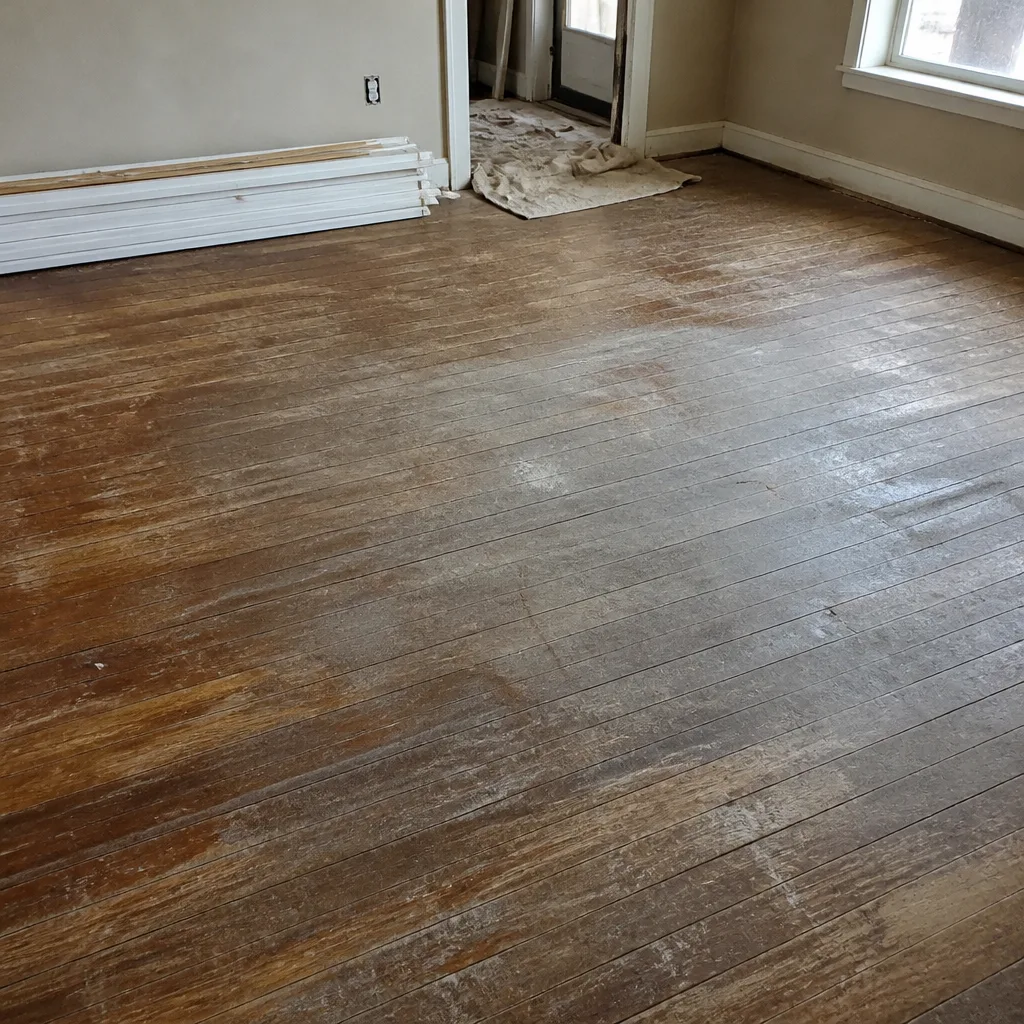
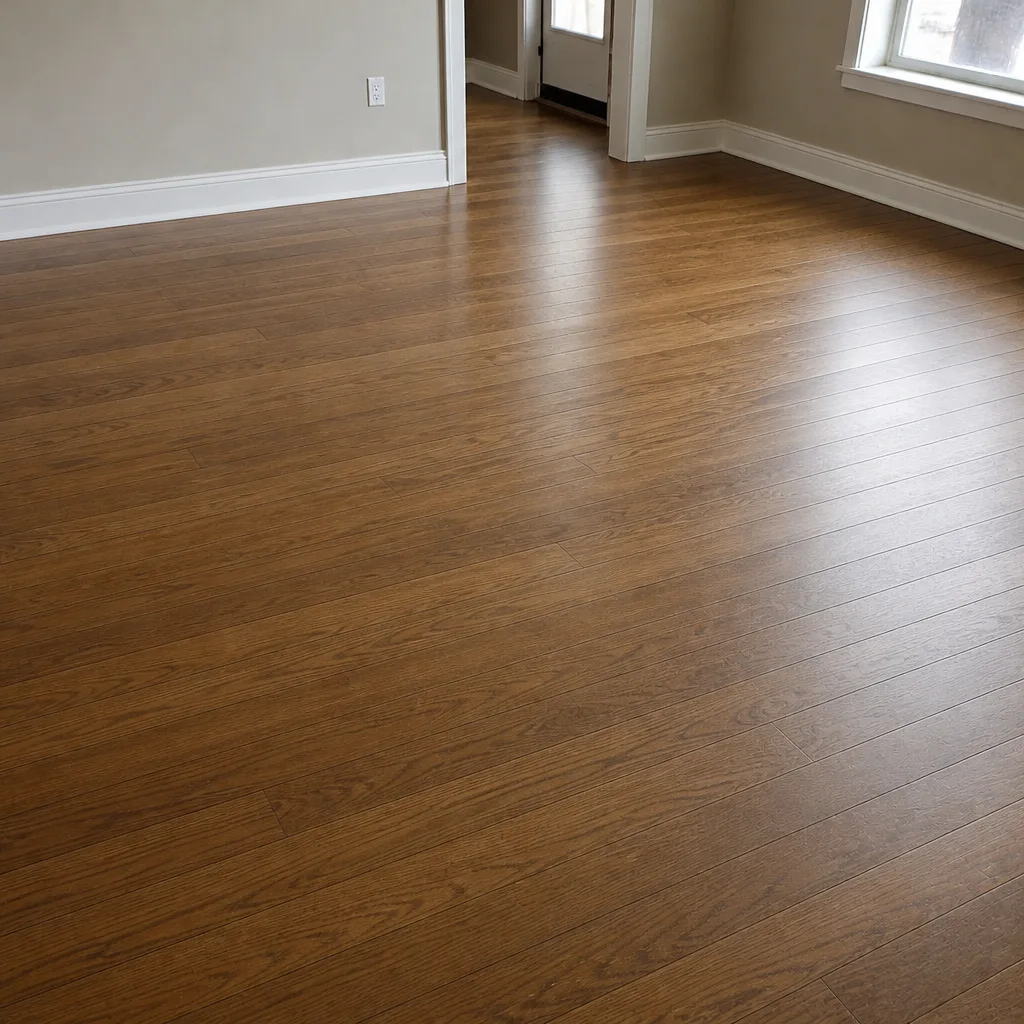
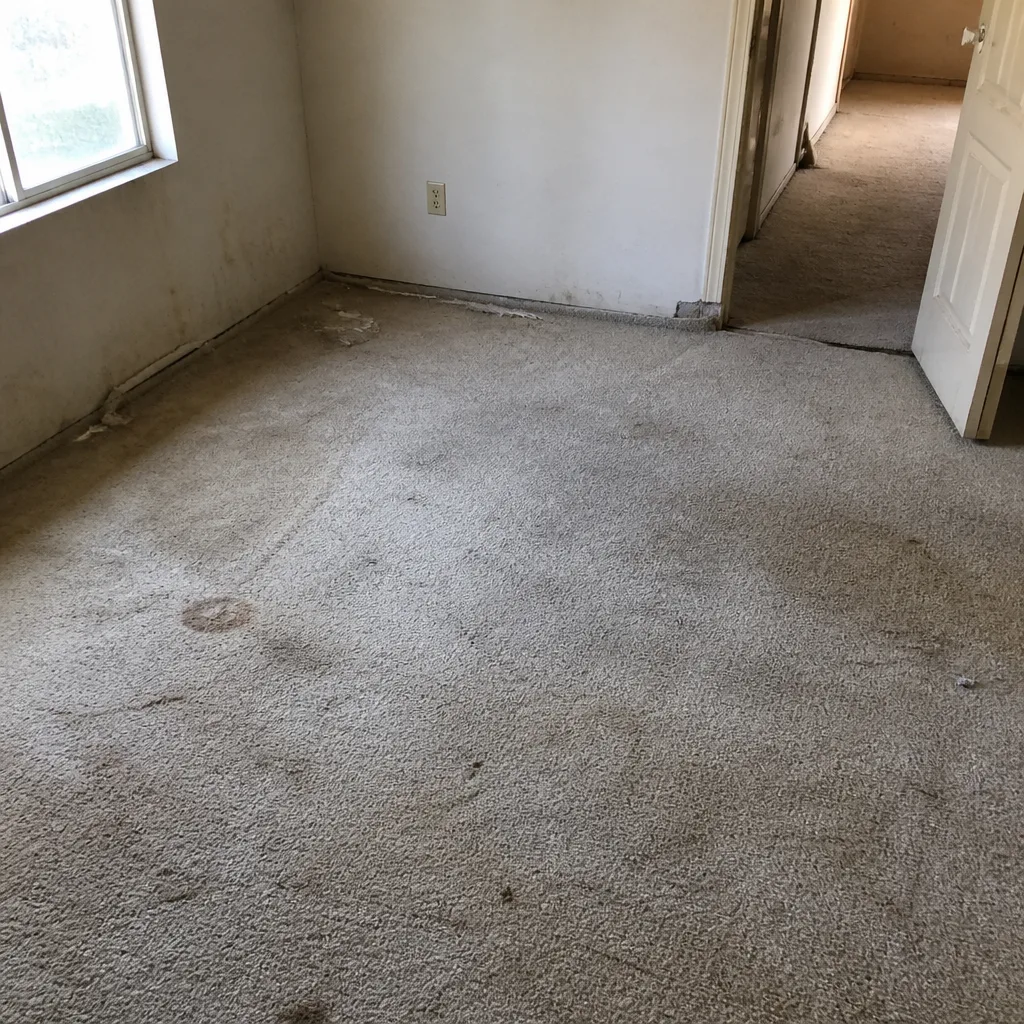
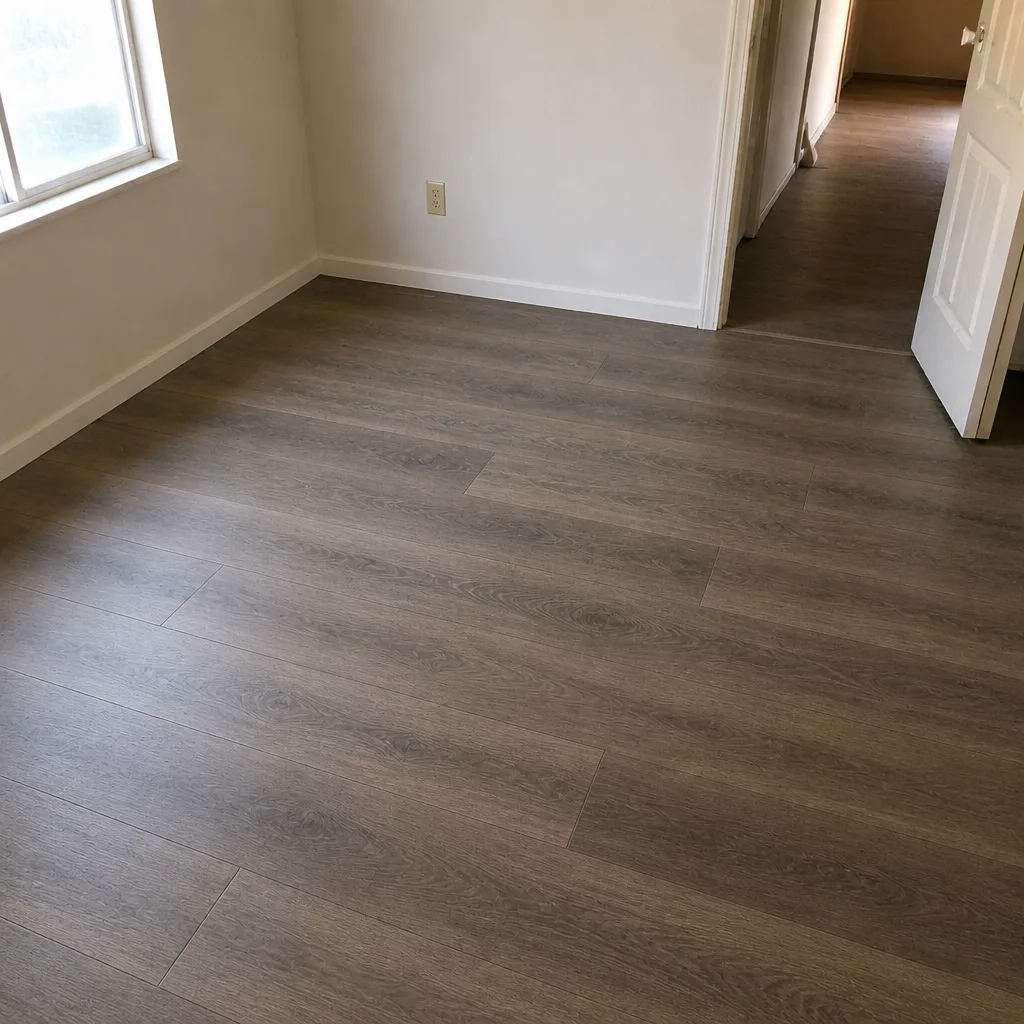
See the difference
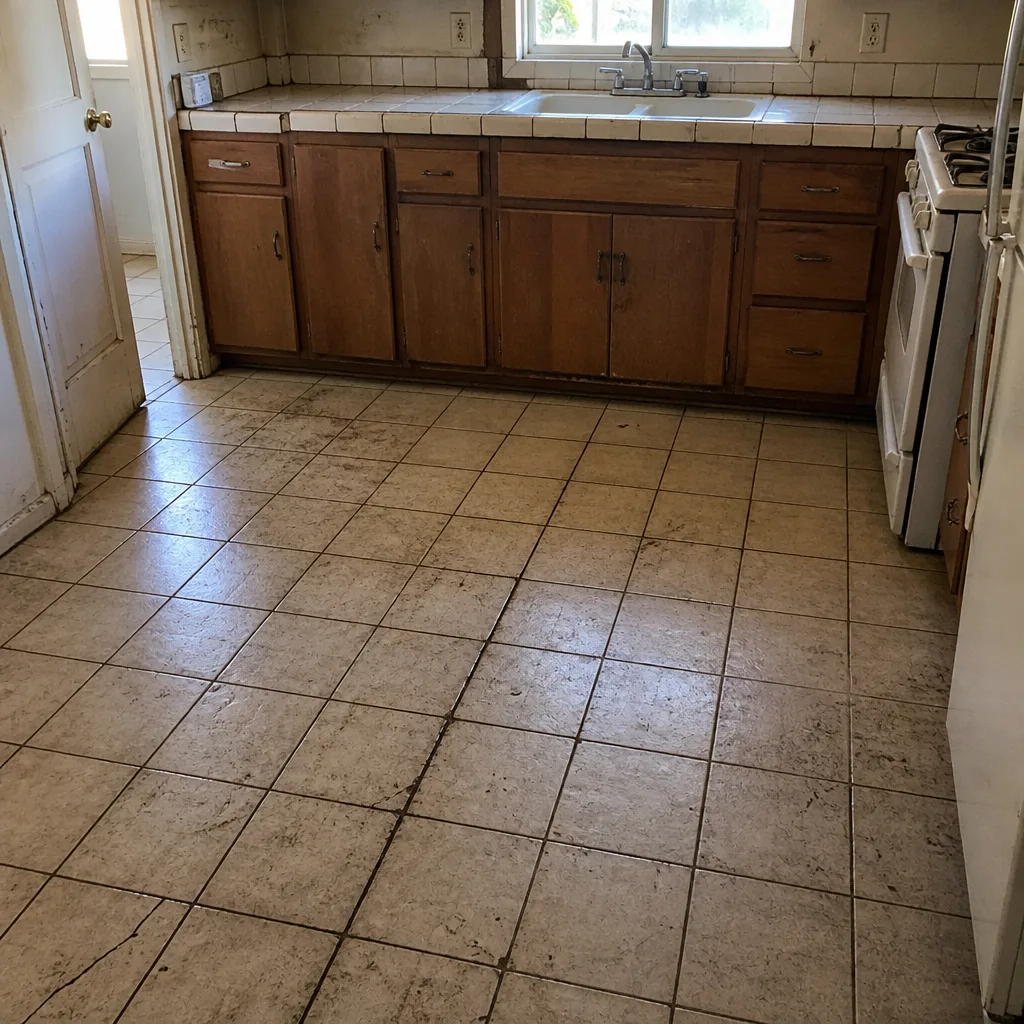 Before
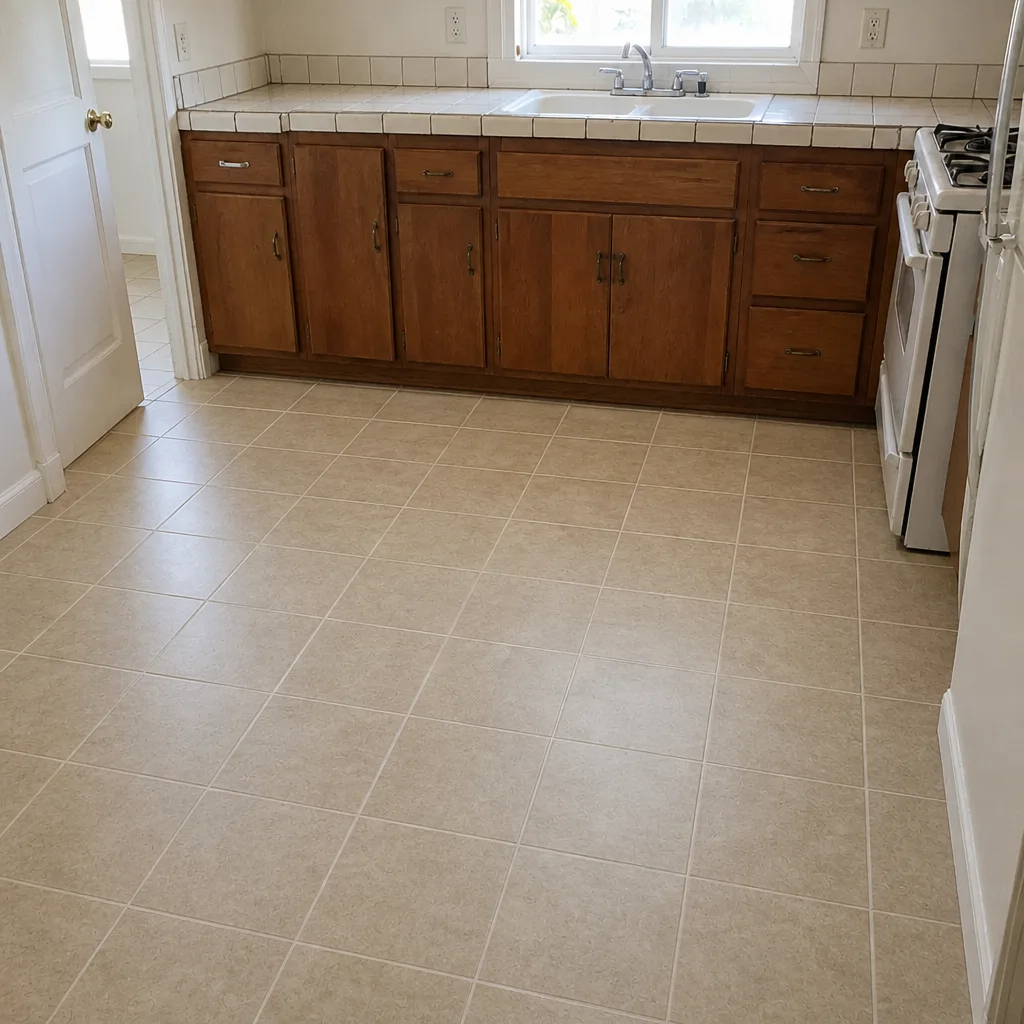 After
 Before
 After
 Before
 After
When to Call a Professional
If the subfloor flexes, if you’ve found moisture staining, if the hardwood has no clear sanding room, if the carpet is delaminated, or if the tile cracks in a line, that’s the point at which a professional assessment is genuinely worth the call. The decision framework in this guide gives you the language to ask the right questions at the estimate, but the visit itself is where the answers come from. Our technicians have up to 14 years of experience running exactly these checks in Winchester homes, and we walk through the substrate first, quote the repair and the replacement side by side, and let you make the call without pressure. Flooring Installation Winchester offers free estimates in Winchester. Call (833) 954-5991.
Frequently Asked Questions
Repair cost depends entirely on the material and the extent of the damage; there’s no single figure because a carpet patch and a hardwood spot repair are doing completely different work. The honest answer is that the repair is worth doing if it comes in under roughly 40% of the replacement cost on a floor with plenty of life left. Call (833) 954-5991 for a free estimate with both numbers side by side, so you can decide with real figures rather than a rule of thumb.
Check the remaining wear layer with the coin test at a floor register, a threshold, or a separated plank edge. If there’s less wood above the tongue than the thickness of a coin, refinishing isn’t safe because there isn’t enough material to sand down to fresh wood. If the boards are cupped or crowned, refinishing alone won’t get the floor flat and that’s a different conversation. The safest step is a professional assessment before you commit to a refinish.
Usually not, if the cracks are isolated and the substrate tested solid. Replace the cracked tiles, re-grout locally, and the field is fine. It becomes worth replacing the floor if the hollow-spot test across the room shows a wide area of unbonded tile, or if the cracks follow a line across the floor, because that points to substrate movement that will crack the new tile too. Call (833) 954-5991 to book a free estimate at the home so the substrate can be checked properly.
Matted carpet generally needs replacing. Matting is fibers that have lost resilience; a patch or a cleaning buys a little time but doesn’t restore the pile. If the carpet is also delaminating (tufts pull free easily), no repair holds. If the carpet is sound and you’re dealing with a single stain or a seam, that’s a genuine repair. Our team can tell you which one you’re looking at at the free estimate.
The schedule is set at the estimate: the measure, the product selection, and the install day are all confirmed together in the written quote. We don’t give a blanket timeline in a guide because the room, the material, and the substrate all affect it. For a free estimate and a real schedule, call (833) 954-5991.
Because Winchester’s dry valley climate causes wood-based flooring and subflooring to shrink and move at panel and plank seams, and every expansion cycle works the fasteners and the bedding material. A floor laid over a subfloor that moves at the seams will telegraph that movement into grout lines and plank joints. That’s a reason the substrate check matters here more than it does in a stable-humidity climate. Call (833) 954-5991 and we’ll run the test at your home.
The Bottom Line
The repair-or-replace decision is a structural question first and a cosmetic one second. Check the subfloor for flex, moisture, and delamination. Check hardwood for sanding room with the coin test. Check carpet for matting and delamination. Check tile for hollow spots under a larger area. Then price both options. If repair is under roughly 40% of replacement on a floor with real life left, repair and enjoy it. If repair crosses 40% to 50% of replacement, or if the substrate is failing, replacement delivers more years for the money. Whatever you decide, make the decision with both numbers in front of you. Call (833) 954-5991 for a free estimate in Winchester; we’ll give you the honest answer, whichever way it points. We answer 24/7. Fast dispatch from 7am to 7pm, Sunday through Friday.
Written by the team at Flooring Installation Winchester.