
Last updated November 18, 2026
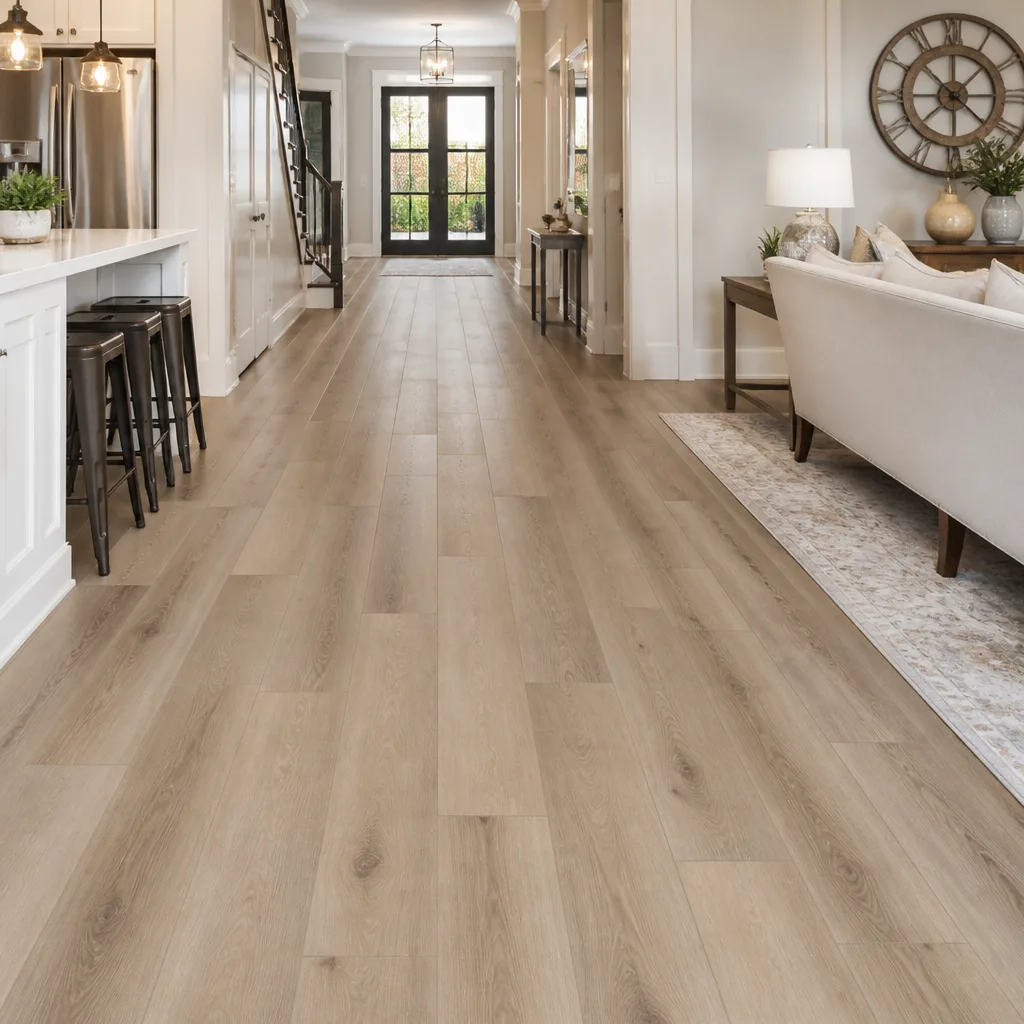 Luxury vinyl plank
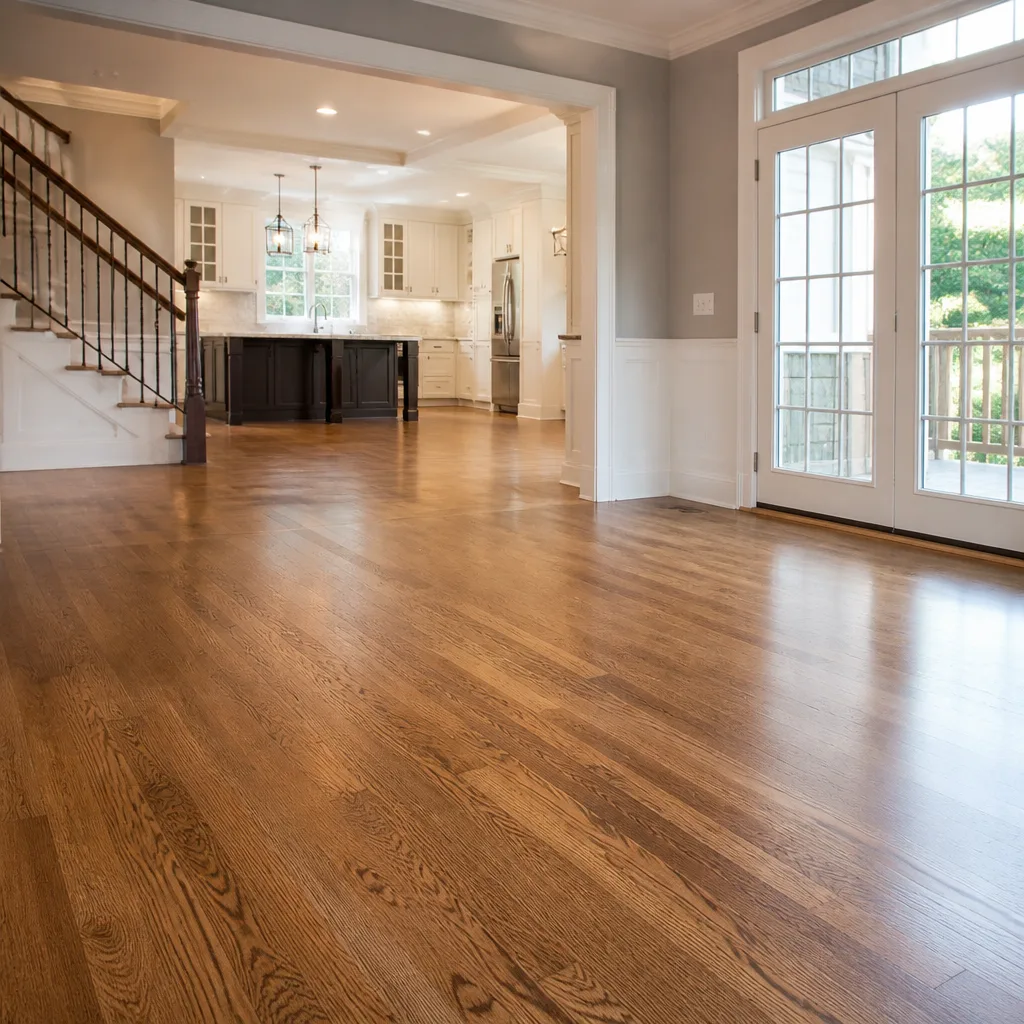 Hardwood
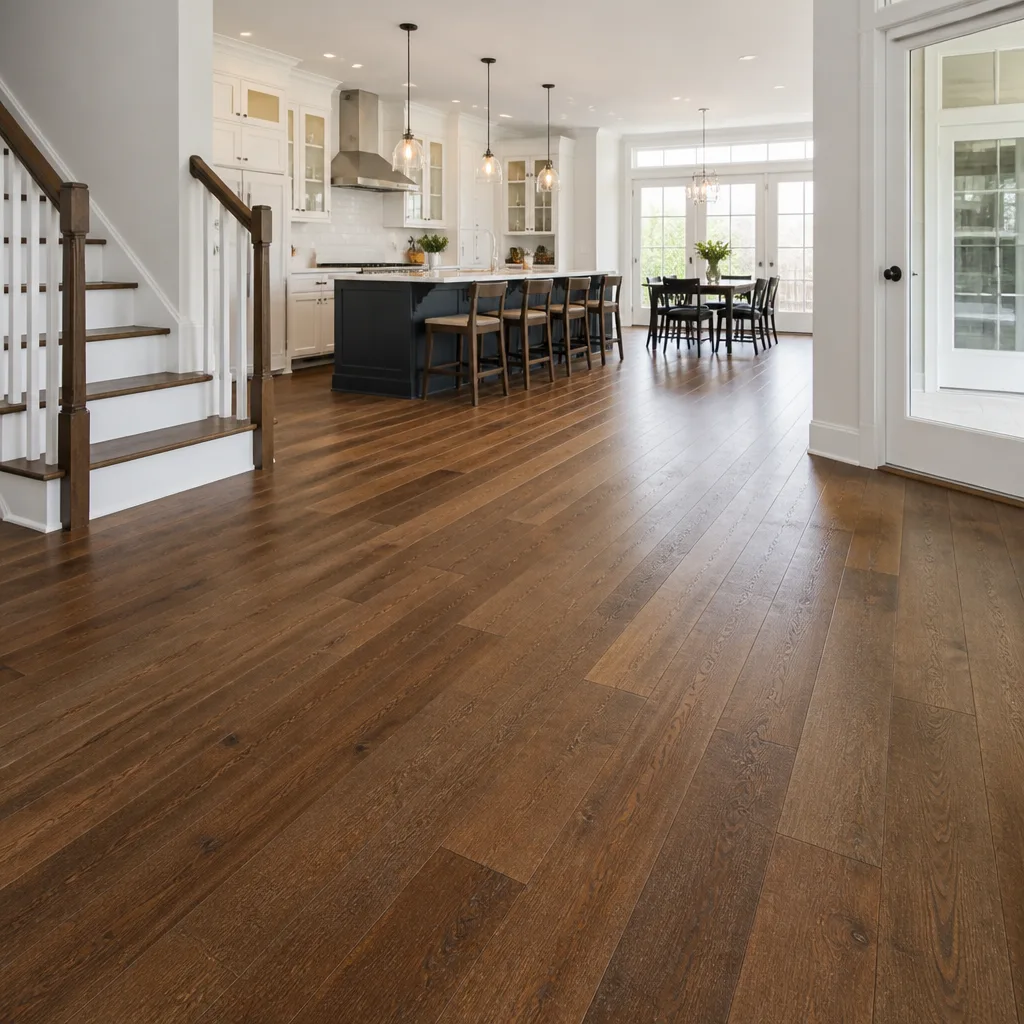 Engineered hardwood
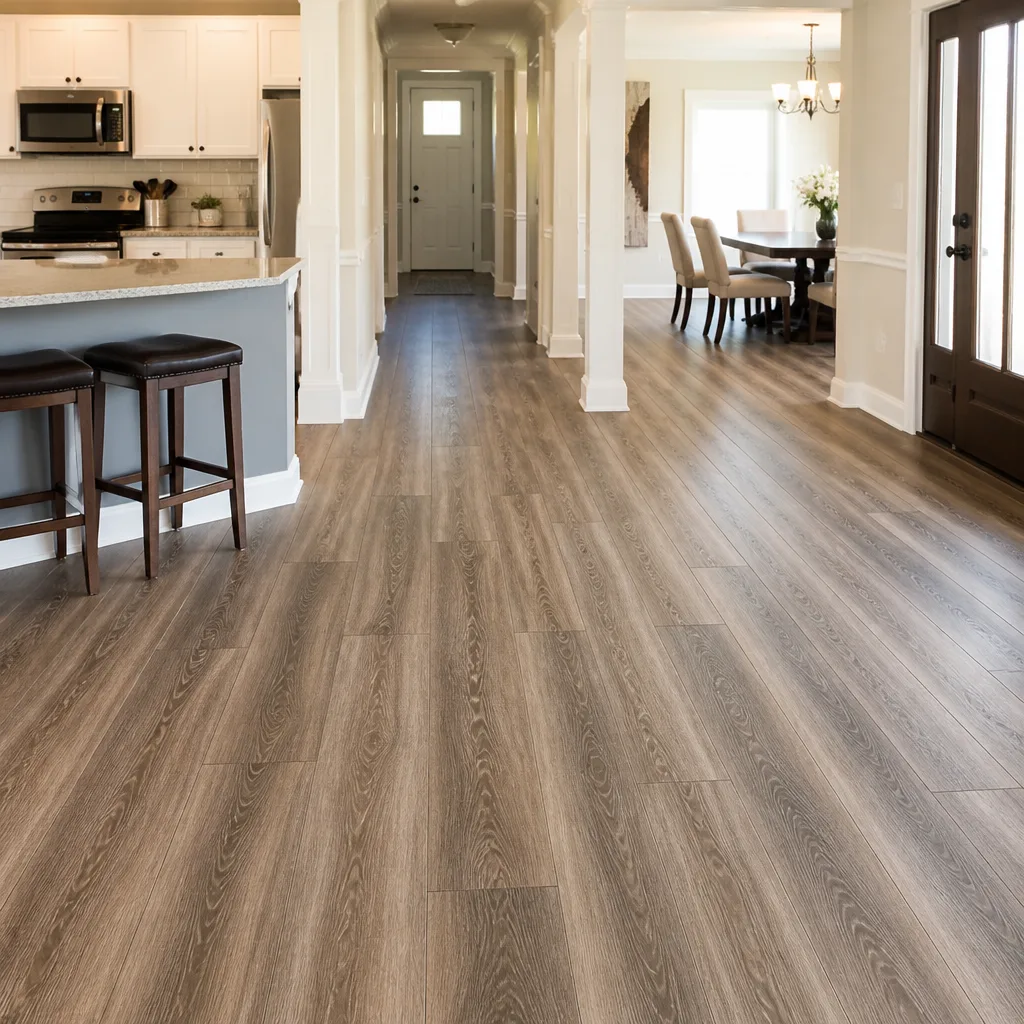 Laminate
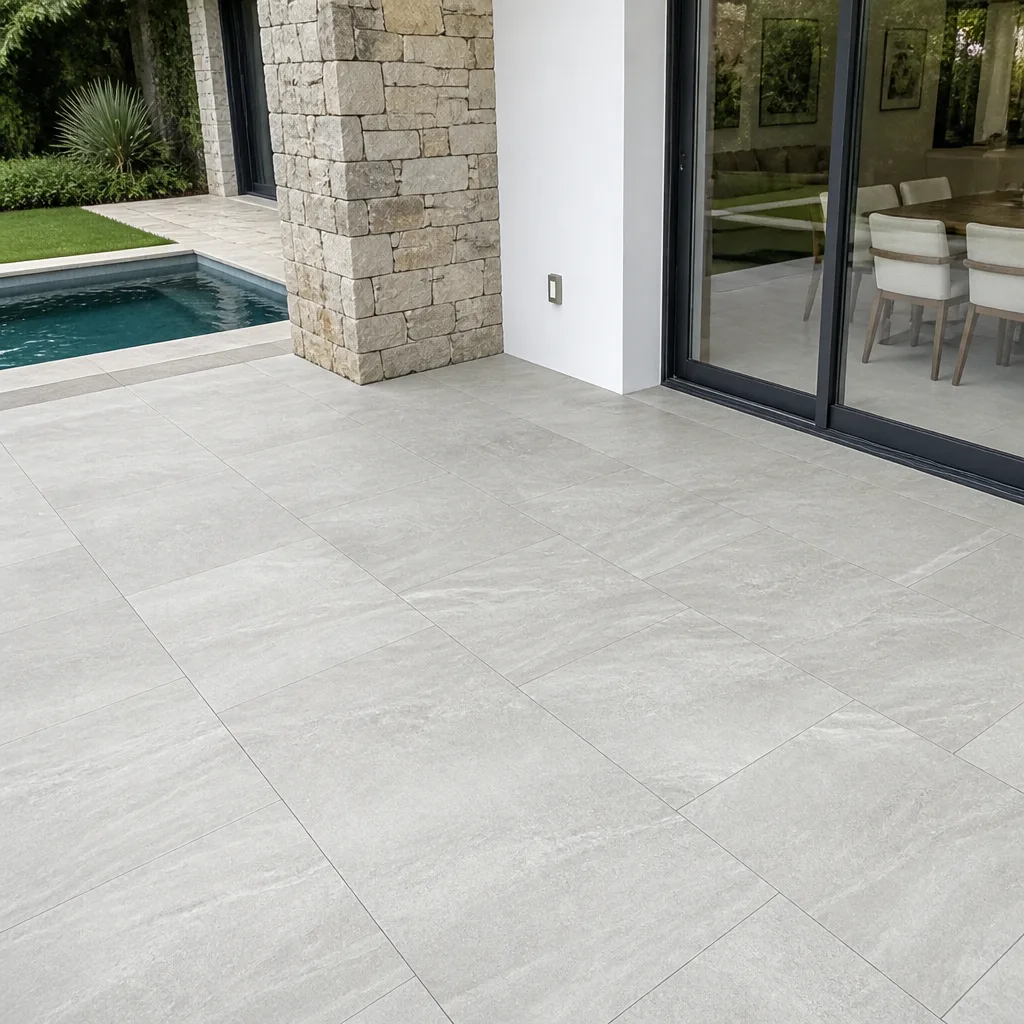 Porcelain tile
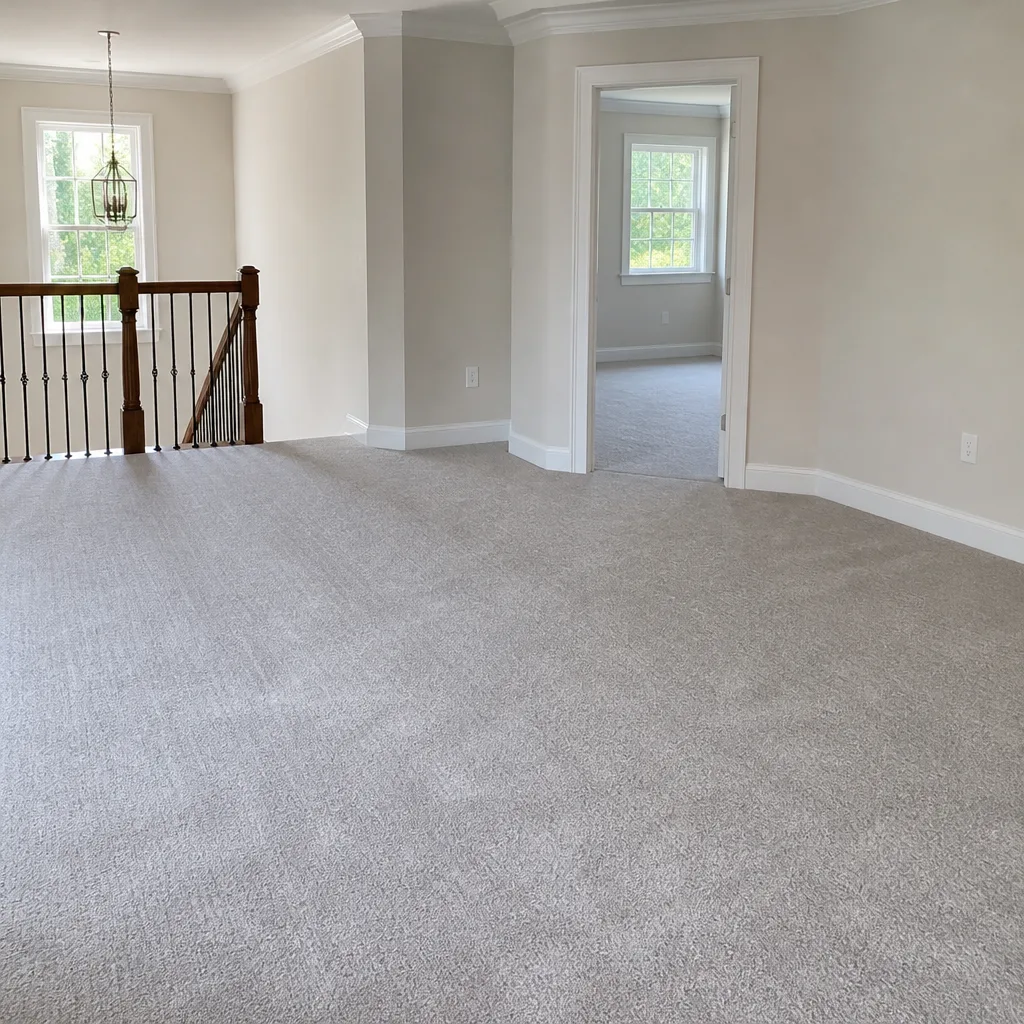 Carpet
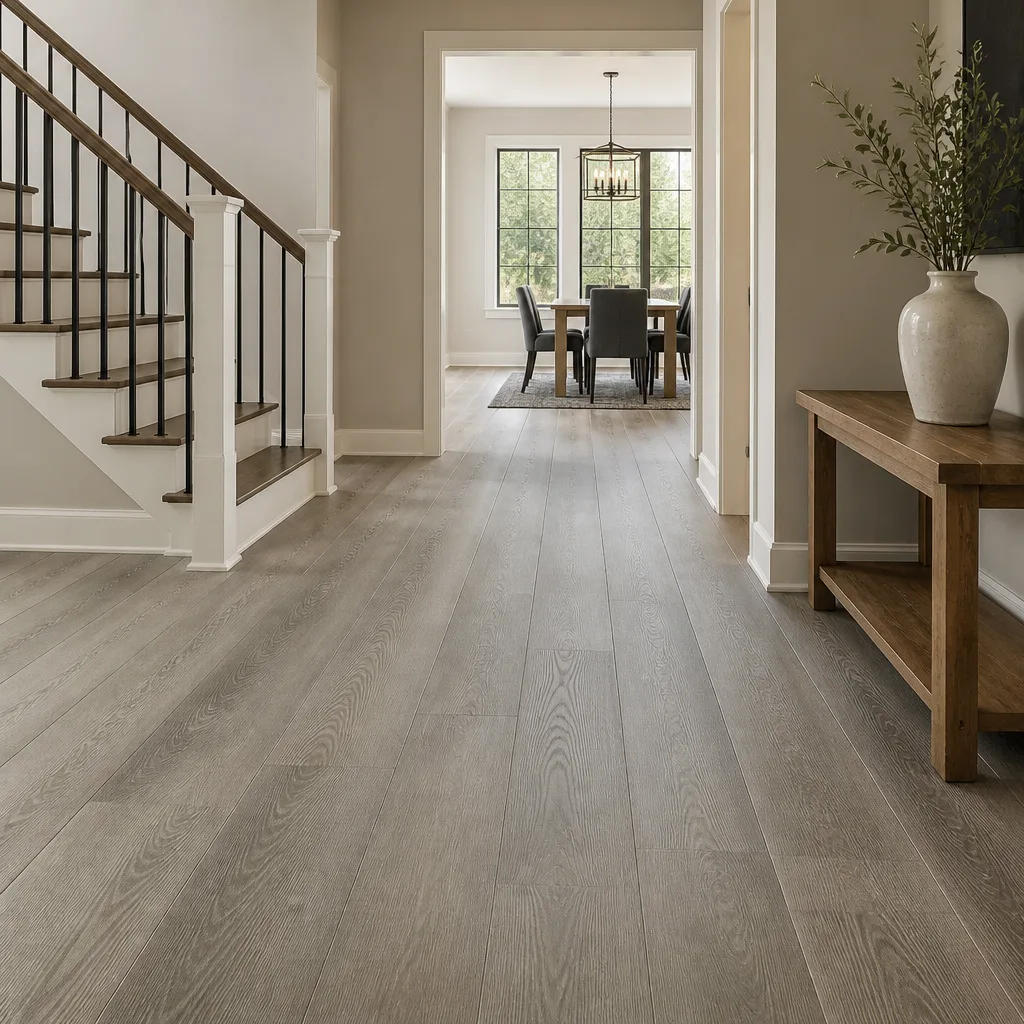 Shaw
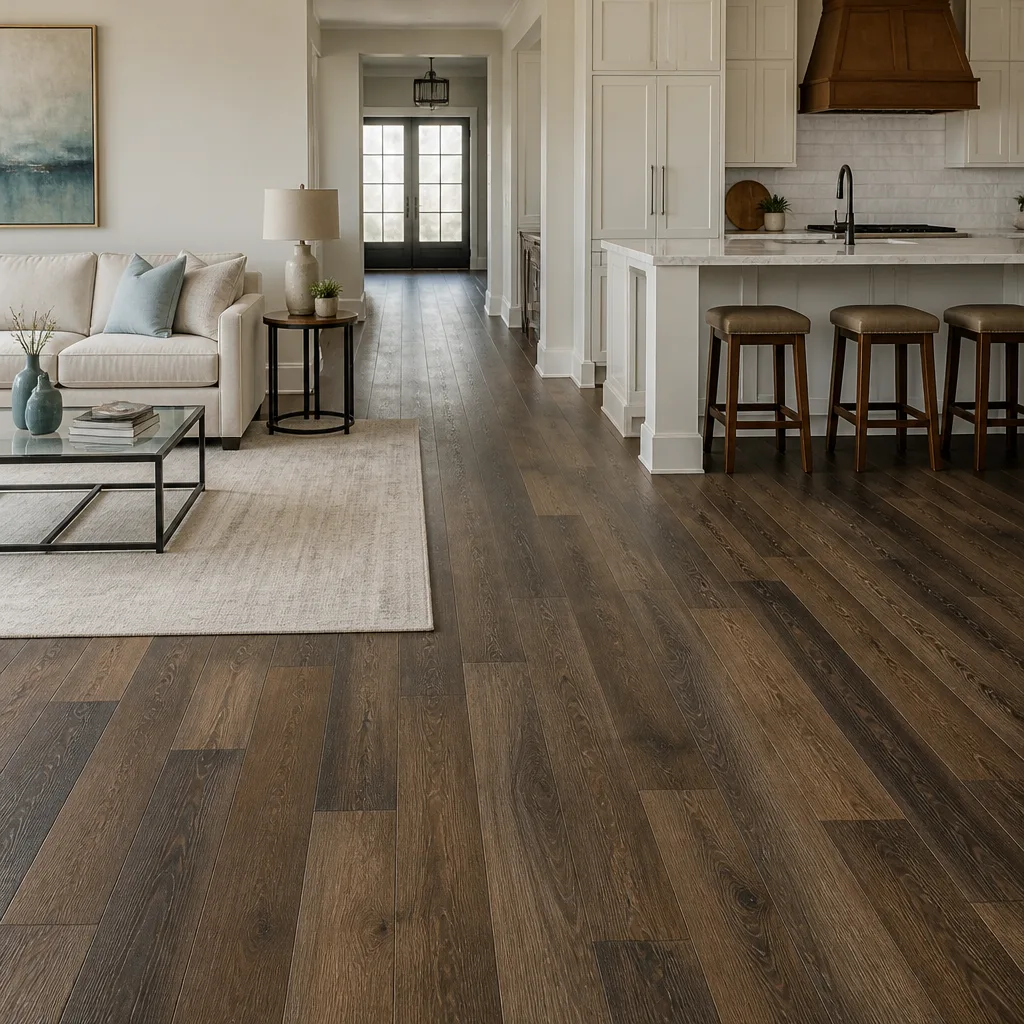 Mohawk
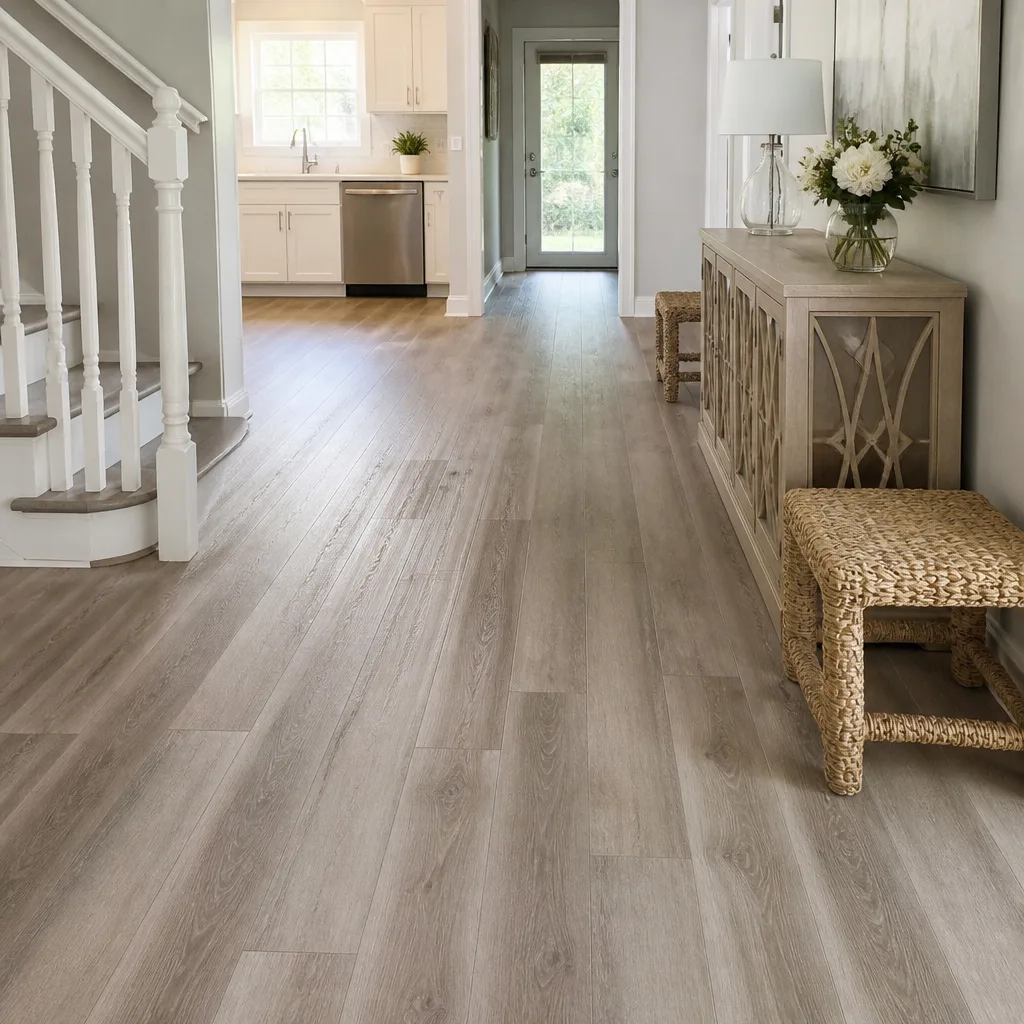 COREtec
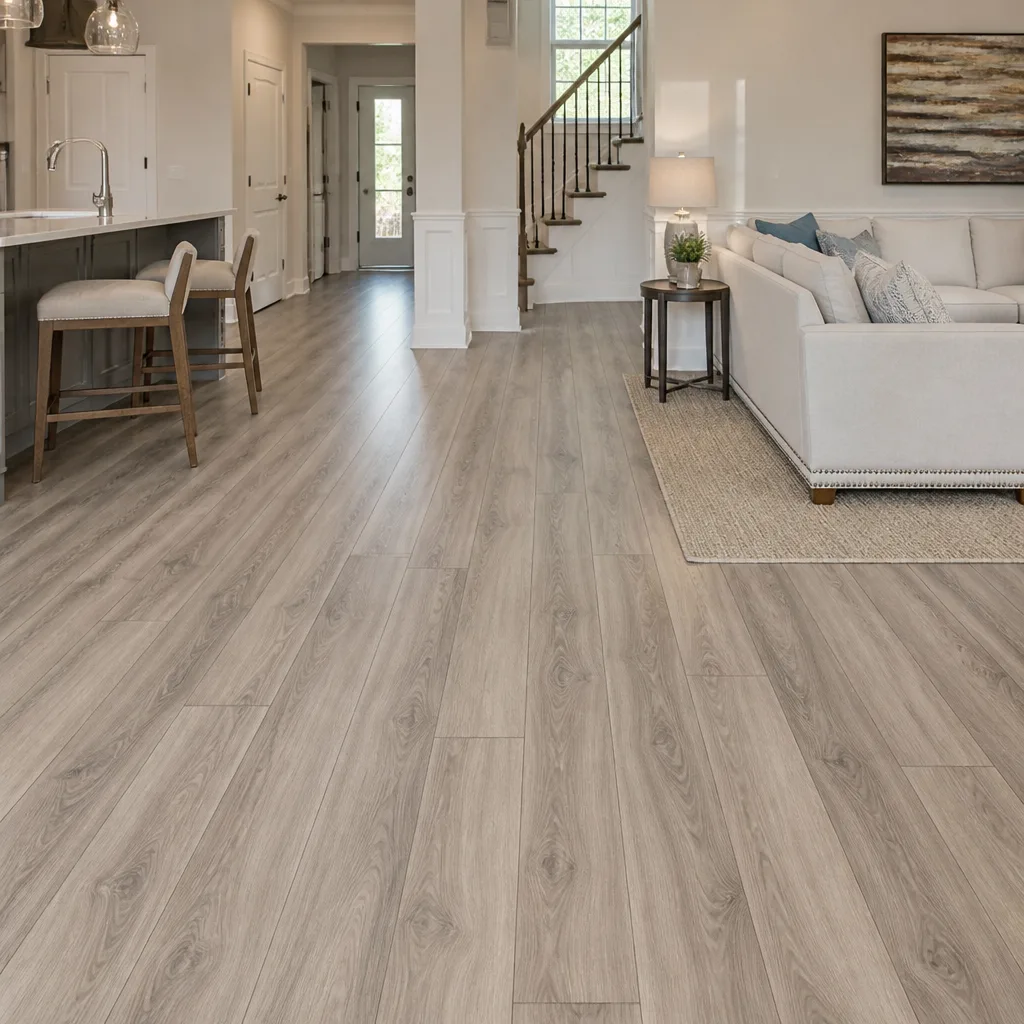 Pergo
Free in-home measure and written estimate: Shaw, Mohawk, COREtec and Pergo lines compared on your own rooms, with carpet, tile, vinyl plank, laminate and hardwood laid out side by side
Get your free estimateHardwood, Vinyl Plank, Laminate or Tile: How Winchester Homeowners Decide
Vinyl plank outsells hardwood two-to-one nationally, and the reason isn’t that it’s better. It’s that most homes being built or renovated right now have conditions where solid hardwood is the wrong call, and nobody explains that at the showroom. A homeowner walks in wanting wood, walks out with a box of planks, and never learns that the real deciding factors were the subfloor, the moisture in the room, and how the house handles a dry desert summer. This guide runs through the actual decision logic for a Winchester home, in the order it should be run.
Quick Answer
In Winchester, the right floor comes down to four checks made in sequence: whether your subfloor is level and dry enough for the product, how much moisture the room sees, how dry the air gets in summer, and what the floor will cost you over twenty years including refinishing or replacement. Solid hardwood belongs in dry, level, above-grade rooms where you plan to stay. Luxury vinyl plank, laminate, and tile cover everything else. Hardwood refinishing should always be the first question before replacement.
Styles & brands we work with
- Hardwood
- Engineered hardwood
- Luxury vinyl plank
- Laminate
- Porcelain tile
- Carpet
- Shaw
- Mohawk
- COREtec
- Pergo
Table of Contents
- The subfloor test that eliminates materials before you shop
- Winchester moisture and how it caps your hardwood options
- Total cost of ownership over twenty years
- Where laminate still makes sense and where it doesn’t
- A five-step decision process for Winchester homes
- How to use the brand lines to match grade to use case
- Common mistakes to avoid
- Frequently asked questions
The Subfloor Test That Eliminates Materials Before You Shop
Before anyone talks brands or colors, we check two things about the subfloor: how flat it is and how dry it is. Both eliminate materials early. Walking into a showroom without those answers means you fall in love with a floor your house can’t hold.
Levelness matters because different products demand different tolerances. Rigid planks and tile need a flat, stable base to sit on. Tile is the least forgiving of all: a hump or dip in the slab telegraphs through the grout lines, and grout cracks where the tile rocks. Sheet vinyl and carpet hide minor imperfection that tile won’t. Laminate is more forgiving than tile but less forgiving than a flexible floor covering. A slab that’s out of tolerance gets flattened before anything is installed, and that work should be in the written estimate, not discovered halfway through.
Moisture matters just as much. Concrete slab moisture and subfloor moisture are checked at the estimate visit because the reading tells you whether a solid wood floor is viable at all. Most wood products and most laminate require moisture levels within what the product instructions specify, and no instruction sheet exists that recommends installing over a wet slab. The reading is not a formality; it’s the deciding data point for the whole job.
We check both on the estimate visit before anything is quoted, which is why we quote real numbers instead of guesses. If you’re shopping for flooring across the whole house, treat that check as step one of flooring installation Winchester planning, not an afterthought.
Winchester Moisture and How It Caps Your Hardwood Options
Winchester sits in a desert valley, and that shapes every flooring decision here. Summer air in the valley is dry, indoor humidity swings with the season, and air conditioning runs hard for months. Wood moves with humidity. A solid hardwood plank installed tight in a dry season wants to shrink, and one installed in a wetter season wants to expand. The gap at the perimeter and the seams between boards show you which way it moved.
That’s the practical ceiling on solid hardwood in Winchester: it belongs in rooms where indoor humidity stays reasonably stable, and above grade. Below-grade rooms, slab-on-grade rooms without a moisture barrier, bathrooms, laundry rooms, and kitchens with a leak history all argue for engineered wood, luxury vinyl plank, or tile instead. Engineered wood is built with a cross-ply core that handles humidity movement better than solid wood, which is why it gets a long look in valley homes.
Here’s what that means in practice for a Winchester homeowner:
- Above-grade, dry interior, level subfloor: solid hardwood is on the table, and so is engineered wood.
- Slab-on-grade with no barrier: engineered, luxury vinyl plank, or tile; run a moisture reading first.
- Bathroom or laundry: tile, or water-resistant luxury vinyl plank. Never solid wood.
- Kitchen with dishwasher and sink: water-resistant plank or tile. Standing water and moisture from below still need addressing, whatever the product.
- Whole-house with wild humidity swings: engineered wood and rigid plank handle it better than solid.
Note that no floor covering is waterproof in the plumbing sense. Water-resistant is the honest term, and it means the flooring resists surface moisture, not that it survives a flooded slab.
Total Cost of Ownership Over Twenty Years
The price per square foot on the box is not the number that matters. The number that matters is the total you spend over twenty years on that floor, including the refinishing or replacement cycle. Here’s how the four categories break down.
Solid hardwood has the highest upfront cost and the lowest long-term cost, in the right room. Wood wears on the surface, and refinishing takes the surface back down and puts a fresh finish on it. Not every floor can be refinished: it depends on the thickness of the wood and its condition, checked at the estimate visit. But when it works, refinishing is a fraction of the cost of replacement. We treat hardwood floor refinishing as a dedicated service, not an add-on, because it’s the honest first question for any worn hardwood floor.
Luxury vinyl plank costs less upfront than hardwood, and it holds up well in wet areas. Over twenty years, expect at least one replacement. Planks wear on the top layer, and when that layer goes, the floor goes. There’s no refinishing cycle for LVP. What you save upfront, you spend later, which is a fair trade for a lot of Winchester homes.
Laminate sits between plank and hardwood on upfront cost and has a similar replacement cycle. It doesn’t refinish, and the wear layer is what it is from day one. Where it makes sense, we say so. Where it doesn’t, we say that too.
Tile has the highest installation cost after material and subfloor prep, and it can be the longest-lived floor in the house if it’s installed over a properly prepared base and the grout is kept sealed. Break a tile and you replace the tile, not the floor.
Here’s the rough shape of twenty-year cost, in order from highest to lowest:
- Solid hardwood: high upfront, possible one refinished cycle, lowest total.
- Engineered wood: mid-high upfront, refinished once if the wear layer allows, low total.
- Tile: high upfront, long service life, and grout maintenance along the way, low total.
- Luxury vinyl plank: lower upfront, one full replacement, mid total.
- Laminate: lower upfront, one full replacement, mid total.
We don’t quote prices that aren’t specific to your job. The written estimate sets the final price, and the free in-home measure comes first.
Where Laminate Still Makes Sense and Where It Doesn’t
Laminate gets a bad reputation in 2026 for two reasons. Some of it deserves the reputation, and some of the criticism comes from comparing twenty-year-old laminate to today’s rigid plank. Here’s our honest take, as a company that carries laminate alongside luxury vinyl.
Laminate still makes sense in rooms where you want a wood look at a lower upfront cost, the subfloor is dry and stable, and the room doesn’t see standing water. A finished basement with a moisture barrier over the slab, a spare bedroom, a home office, and rental-turnover units all fit that description. It’s also a reasonable pick when the room is large and the square footage is the whole budget conversation.
Laminate is the wrong product in a bathroom, laundry room, kitchen with a history of dishwasher leaks, or any room where moisture from below is possible. It should not be installed over a slab that hasn’t been tested for moisture. It also loses its case over a long horizon in a room that might need refinishing: hardwood refinishes, laminate doesn’t, so a solid hardwood floor in a dry room usually wins on twenty-year cost even when the upfront is higher.
Where laminate genuinely loses to luxury vinyl is the wet-area argument. Luxury vinyl plank from flooring installation Winchester partners is water-resistant to a degree laminate isn’t, which is why LVP tends to win bathrooms, kitchens, and mudrooms. But for dry, interior, above-grade rooms, laminate is a legitimate product and we’ll price it against the alternatives honestly.
A Five-Step Decision Process for Winchester Homes
Run these in order, and the material usually picks itself. Skipping steps is how a homeowner ends up with a floor that doesn’t fit the house.
- Check the subfloor. Flatness and moisture. This is step one for a reason: it eliminates materials before you shop, not after. A dry, level slab above grade opens every option. A below-grade slab without a moisture barrier rules out solid wood.
- Identify the moisture in each room. Bathroom, laundry, kitchen, and any room with a leak history get tile or water-resistant plank. Dry living rooms, bedrooms, and hallways are open to everything else.
- Check the humidity reality of the home. A modern, air-conditioned Winchester home holds solid hardwood reasonably well. A home with wide humidity swings across the year pushes you toward engineered wood, plank, or tile.
- Run the twenty-year math. Add upfront cost, plus one refinishing cycle if the floor supports it, plus replacement if it doesn’t. For worn existing hardwood, the first question is refinishing, not replacement.
- Match a brand line to the use case. Once you know the material, the brand narrows to one or two choices. We carry nine, and that’s how we match them: not by what’s on display, but by what the room actually asks for.
This is the same sequence we run on the estimate visit. It’s faster to have a trained eye walk the rooms with you than to do it over a weekend on your own, and it costs nothing.
How to Use the Brand Lines to Match Grade to Use Case
Brands are not interchangeable. Each brand line has a stronger position in one or two categories, and the trick is matching the brand to the actual room instead of buying whatever the showroom has stacked by the front door. Here’s how we run the match inside the nine brand lines we carry.
Carpet goes to Shaw and Mohawk. Soft surface is its own decision tree, and both brands cover a range from entry to premium. Pile height and fiber choice matter more than the label; a room that sees heavy foot traffic needs a different carpet spec than a bedroom. If the carpet decision is on the table, carpet installation planning starts with traffic pattern, not color.
Luxury vinyl plank goes to COREtec and LifeProof for wet-area performance and heavy traffic, with Mannington and Armstrong filling in at other price points. We don’t hand a bathroom a budget plank and call it a day, and we don’t upsell a bedroom to a premium LVP spec it doesn’t need.
Laminate comes from the Mannington and Armstrong lines. Both have legitimate laminate offerings, and both have room in a dry basement.
Tile comes from Daltile. Daltile covers ceramic, porcelain, and stone tile across the full catalog, which means we don’t run out of options on a bathroom, entryway, or kitchen floor. Grout line and tile format are the decisions that shape the look, and tile flooring installation is where the detail lives.
Premium designer vinyl comes from Karndean. Karndean is a designer line that a lot of local flooring companies don’t stock or install, and it’s the answer when a homeowner has seen a specific look they want to match and standard plank won’t cut it.
Hardwood refinishing is its own service. It’s how we extend the life of the floor you already have, and it’s the first question before anyone quotes a replacement.
Common Mistakes to Avoid
- Shopping by color before checking the subfloor. The most beautiful floor in the showroom is the most expensive mistake when the slab is out of tolerance. Test flatness and moisture first, choose the look second.
- Calling luxury vinyl plank waterproof. It’s water-resistant. Plumbing leaks, slab moisture, and standing water still have to be dealt with, and a floor sold as “waterproof” doesn’t change the pipe that failed.
- Refinishing hardwood before checking thickness. Not every floor can be refinished; the age and condition of the wood determine it. That check happens at the estimate visit, not on the day the sanders show up.
- Assuming hardwood belongs everywhere. Rain in the valley brings humidity swings, and desert summers run dry. Solid hardwood works best in stable, above-grade rooms, not in a bathroom, laundry, or slab without a barrier.
- Buying on upfront price alone. The floor that costs less today can cost more over twenty years when it’s replaced and the hardwood in the next room gets refinished instead. Run the cycle math.
- Quoting on the phone without a measure. Flooring is a scheduled job: the free in-home measure comes first, then the written price. A number given over the phone is a guess, and guesses become change orders.
- Using tile to cover a subfloor that isn’t ready. Tile punishes an out-of-tolerance slab by cracking grout and rocking at the edges. Subfloor prep has to be priced into the estimate, not discovered mid-install.
See the difference
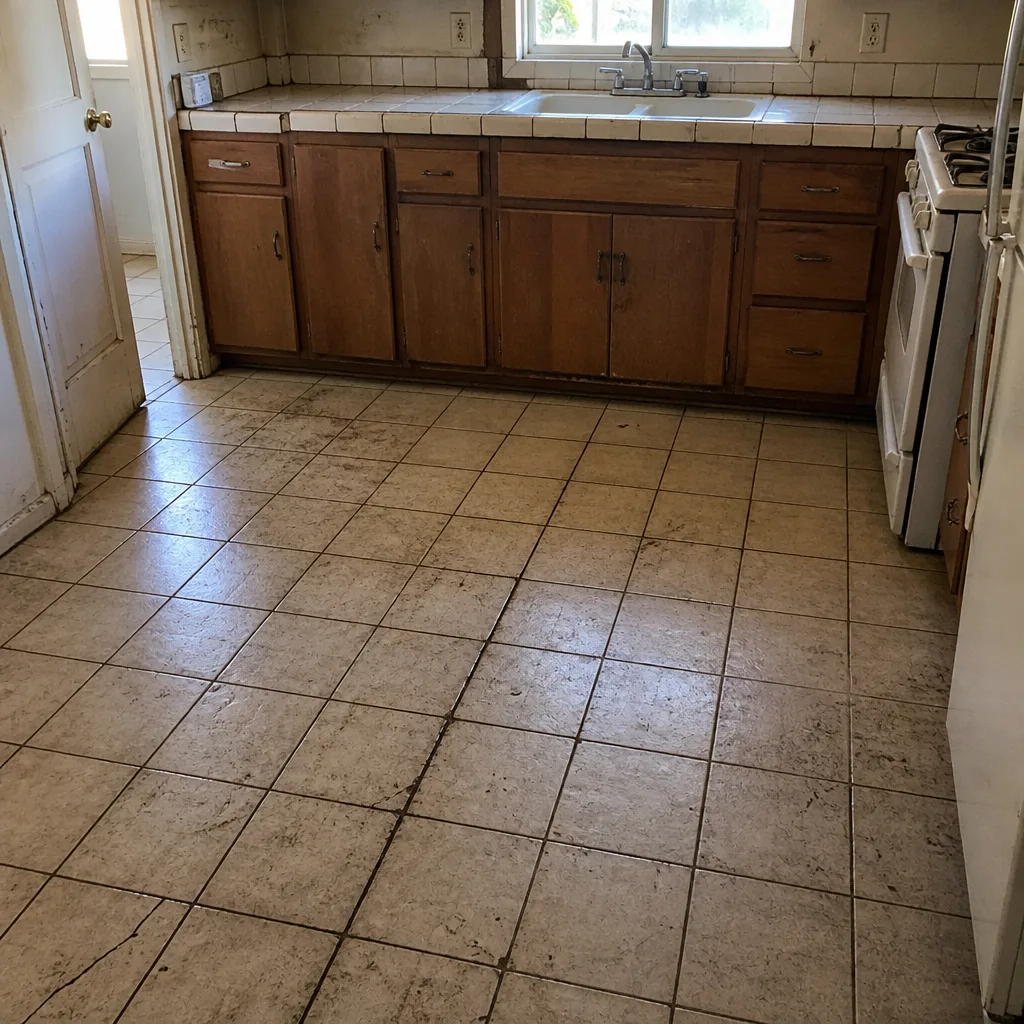 Before
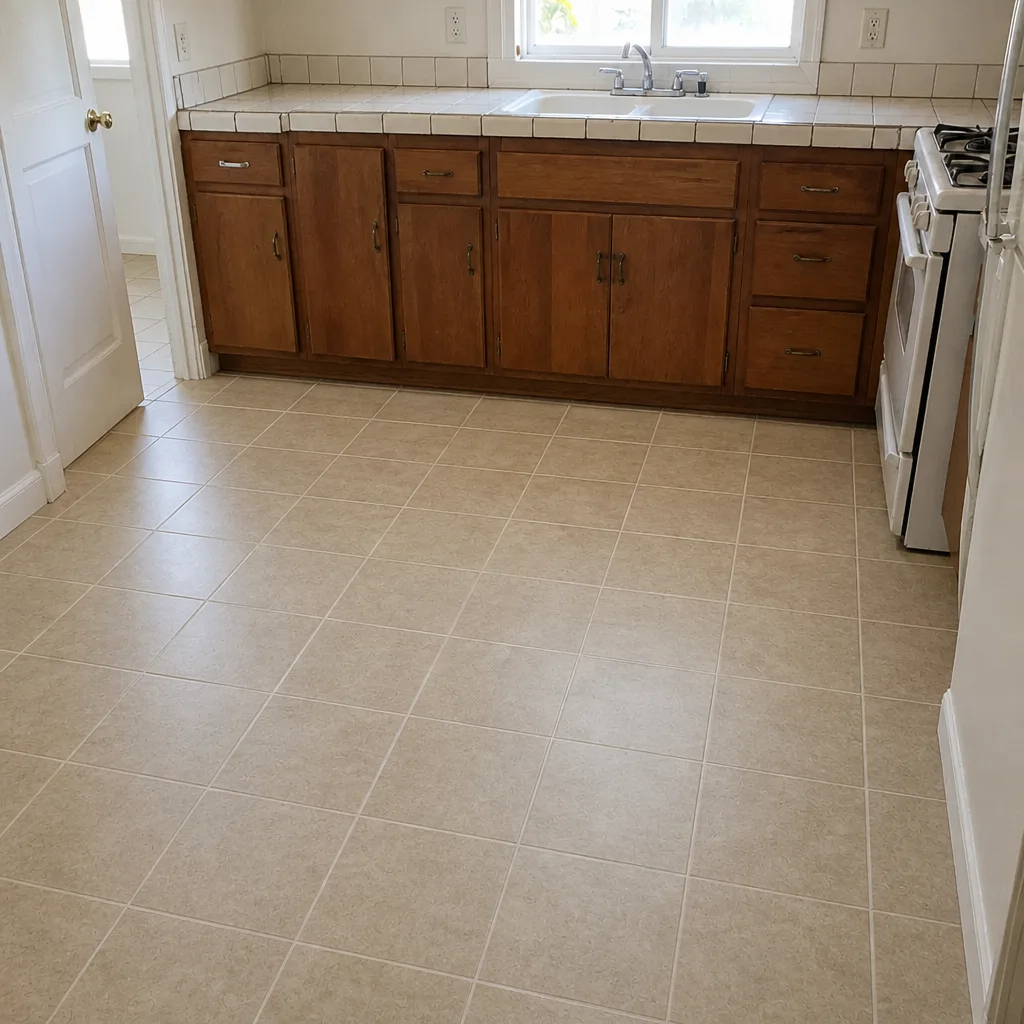 After
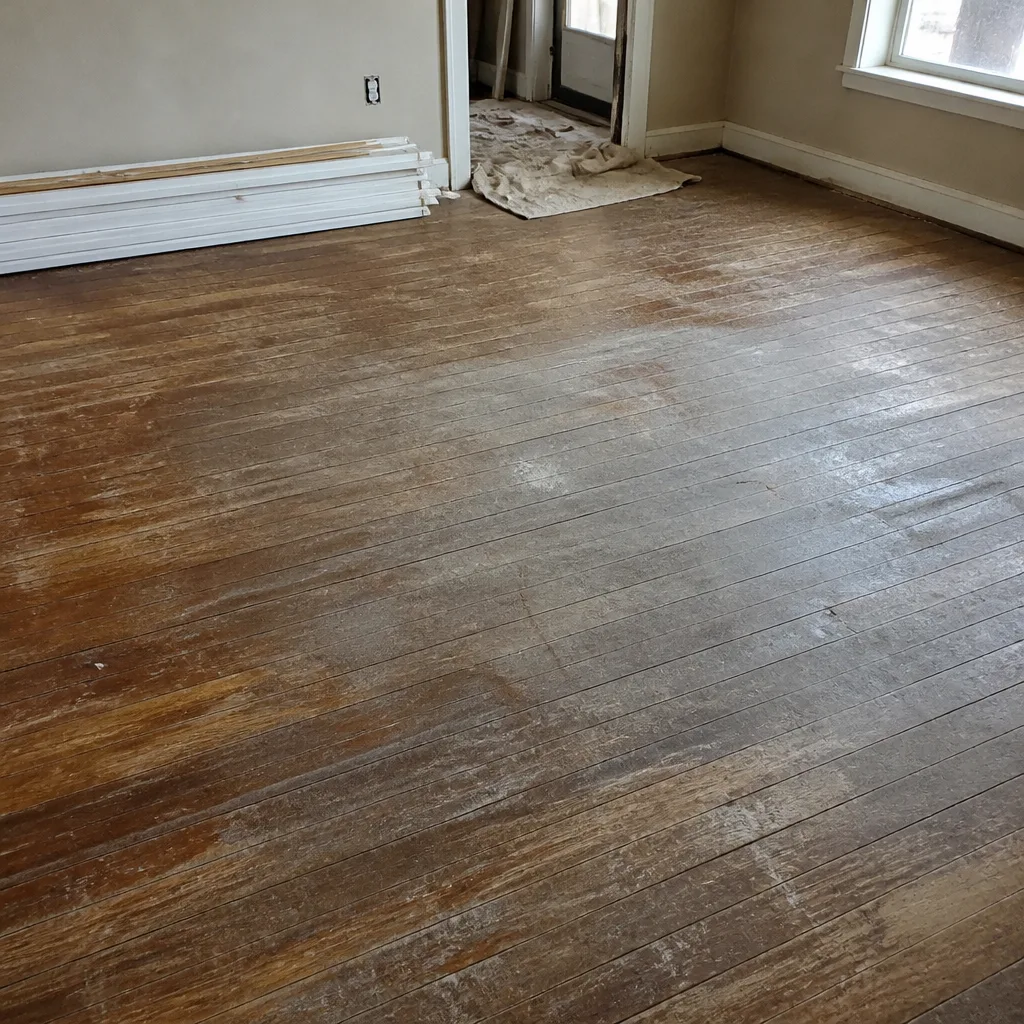 Before
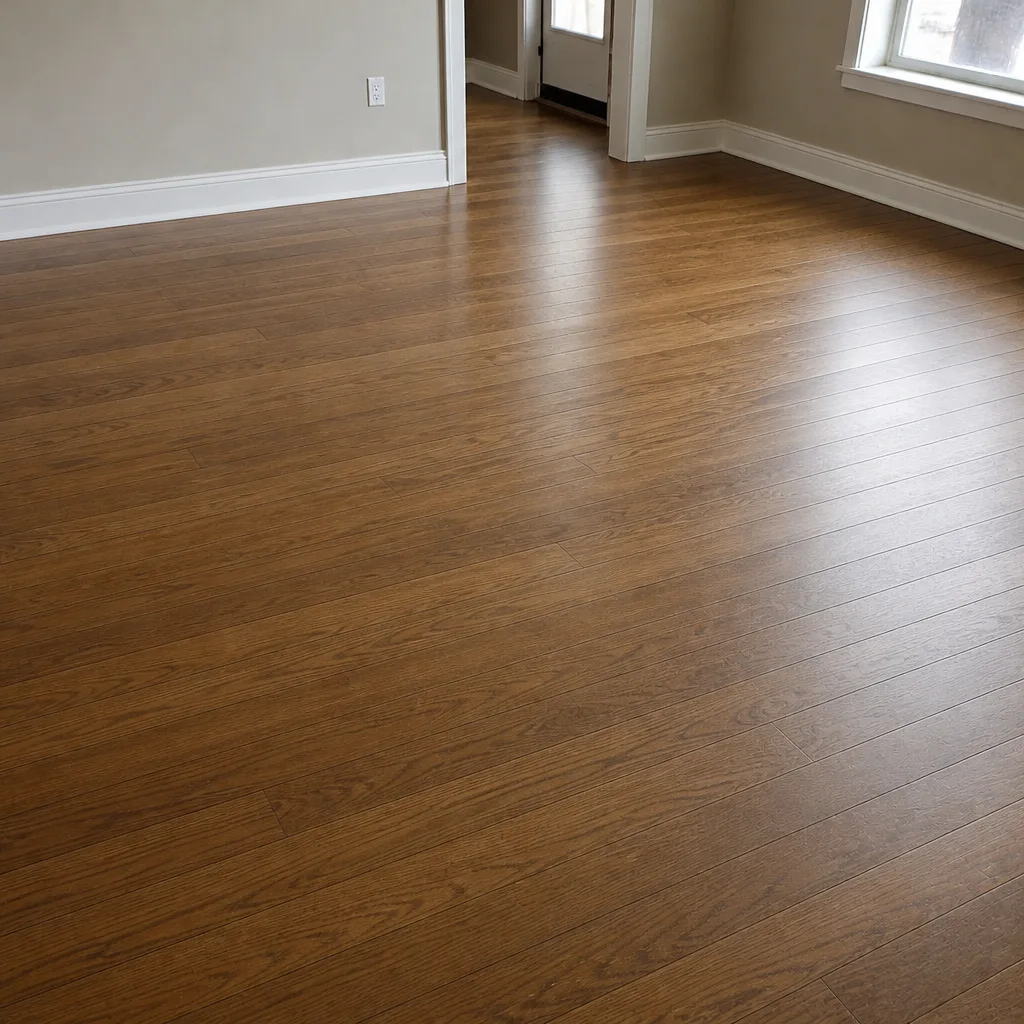 After
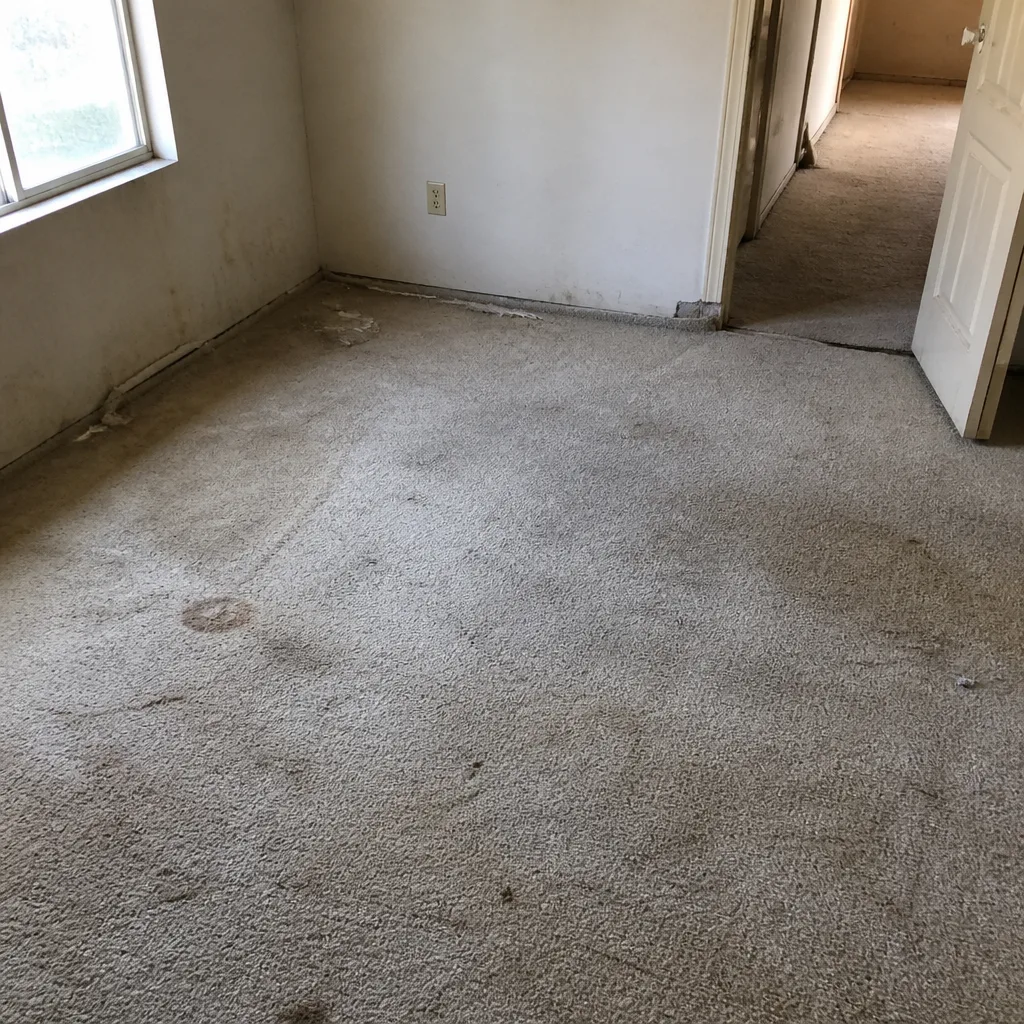 Before
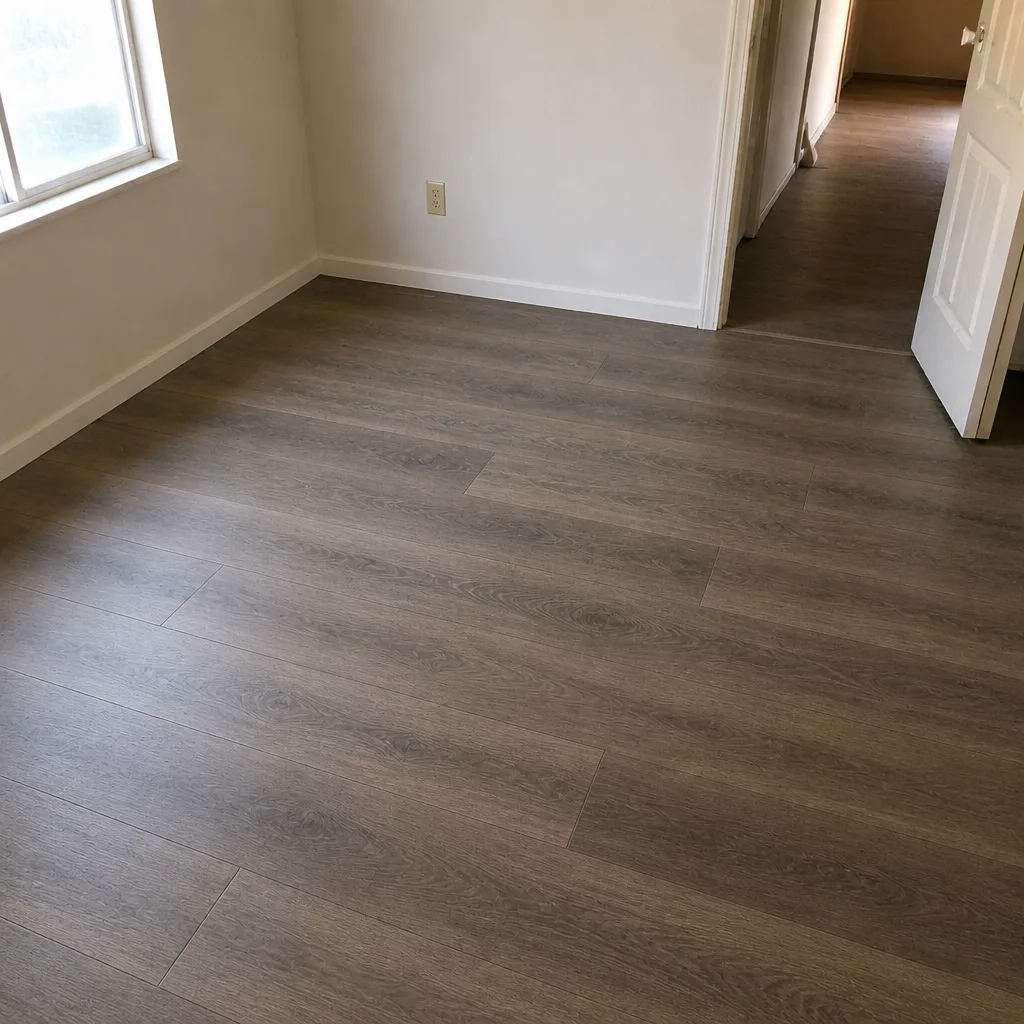 After
When to Call a Professional
Call a professional when the subfloor condition isn’t obvious, when the room sees moisture, when the existing hardwood is worn and you don’t know if it can be refinished, or when the decision between four materials and nine brand lines is too much to run solo. Call when the room is a bathroom, laundry, or kitchen. Call when the floor is being installed across multiple rooms and the moisture profile differs room to room. Call when you’ve already bought the box and want a straight answer on whether it fits the room. We install and service in Winchester and can walk the rooms with you. Flooring Installation Winchester offers free estimates in Winchester. Call (833) 954-5991. We answer 24/7. Fast dispatch from 7am to 7pm, Sunday through Friday.
Frequently Asked Questions
There’s no universal winner; the room decides. In Winchester, dry, level, above-grade living rooms favor hardwood or engineered wood, wet and below-grade rooms favor luxury vinyl plank or tile, and laminate fits dry interior rooms where the upfront cost matters more than the long refinishing cycle. Run the subfloor and moisture checks first, then match the material to the room, not the other way around.
Solid hardwood moves with indoor humidity, and Winchester’s dry desert summers and seasonal swings push a solid plank harder than a coastal or temperate climate does. Slab moisture under the floor makes it worse. In those conditions, engineered wood, luxury vinyl plank, or tile is the more stable call. We confirm at the estimate whether your home can support solid wood.
It depends on the thickness of the wood and its condition, which we check at the estimate visit. If the wood is thick enough and hasn’t been sanded down too far, refinishing restores the floor at a fraction of the replacement cost. If it isn’t, we tell you that honestly and price a replacement alongside the alternative. Call (833) 954-5991 for a free estimate.
Luxury vinyl plank is water-resistant, not waterproof. It handles surface splashes and damp kitchens well, which is why COREtec and LifeProof get a long look in bathrooms, kitchens, and mudrooms. Standing water and moisture from below the slab still have to be dealt with separately, and no plank changes that.
Laminate makes sense in dry, above-grade, level rooms where the upfront budget is the driver: a finished basement with a moisture barrier, a spare bedroom, a home office, a rental turnover. It’s the wrong product in bathrooms, laundry rooms, and any room with possible moisture from below. We carry the Mannington and Armstrong laminate lines and price them against the alternatives honestly.
Yes, the estimate is free, and it starts with an in-home measure because flooring is a scheduled job, not a same-day visit. The installation timeline depends on the material, square footage, and subfloor prep, and it’s set at the estimate with a written price. Call (833) 954-5991 to schedule your free estimate and get answers for your specific rooms.
The Bottom Line
The hardwood-versus-vinyl-versus-laminate-versus-tile decision is a sequence of tests, not a taste poll. Subfloor flatness and moisture come first, then the humidity profile of the room, then the twenty-year math including refinishing or replacement, and finally the brand line that fits the room. Solid hardwood still wins in dry, level, above-grade rooms where you’ll stay long enough to refinish once. Luxury vinyl plank and tile cover the wet and below-grade rooms. Laminate is legitimate in dry interior rooms. Hardwood refinishing is always the first question before replacement. Every one of those decisions gets specific at a free estimate in Winchester, and the written estimate sets the final price.
Call (833) 954-5991 to schedule your free estimate. We answer 24/7. Fast dispatch from 7am to 7pm, Sunday through Friday.
Written by the team at Flooring Installation Winchester.